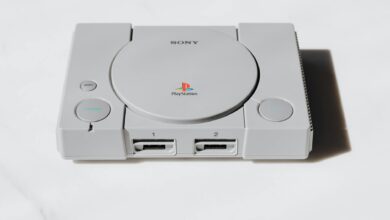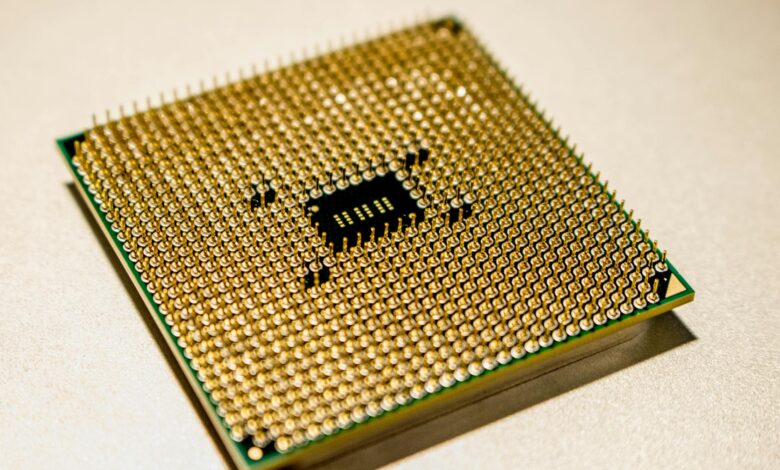
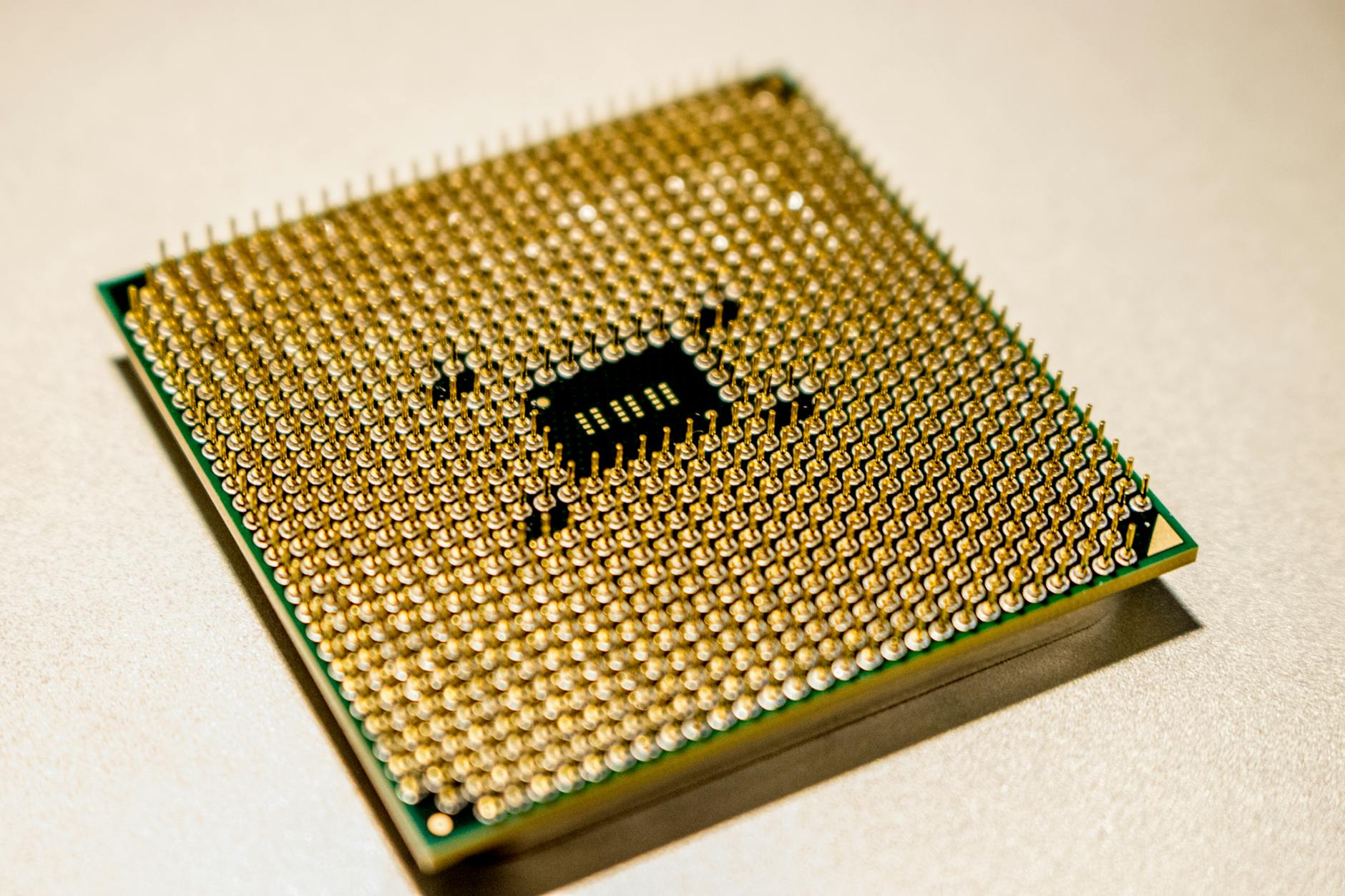
Two of the biggest names in processor technology are reportedly exploring a groundbreaking collaboration that could reshape the gaming CPU landscape. AMD and Intel, longtime rivals in the semiconductor space, are said to be discussing a joint venture focused on developing next-generation gaming processors that could deliver unprecedented performance for PC enthusiasts and console manufacturers alike.
The discussions come at a crucial time for both companies as they face increasing pressure from ARM-based processors and emerging competitors in the gaming market. Industry sources suggest the partnership would combine AMD’s expertise in graphics processing with Intel’s manufacturing capabilities and x86 architecture innovations.
Breaking Down Traditional Rivalries
The potential AMD-Intel collaboration marks a significant shift in an industry where these companies have competed fiercely for decades. AMD’s Ryzen processors have gained substantial market share in recent years, particularly among gamers and content creators, while Intel’s Core series has maintained its position in high-performance computing segments.
Gaming hardware manufacturers have long benefited from this competition, with each company pushing the other to deliver faster, more efficient processors. However, the emerging landscape presents new challenges that may require unprecedented cooperation. ARM-based chips are making inroads into traditional x86 territory, while companies like Apple have demonstrated the potential of custom silicon designs.
The partnership discussions reportedly focus on creating specialized gaming CPUs that would leverage both companies’ strengths. AMD’s experience with APU (Accelerated Processing Unit) designs, which integrate CPU and GPU functions, could complement Intel’s advanced manufacturing processes and software optimization expertise.
Industry analysts note that such a collaboration could accelerate innovation cycles while potentially reducing development costs for both companies. The gaming market’s demand for higher performance at competitive price points has intensified as games become more complex and hardware requirements continue to escalate.
Technical Innovation and Market Positioning
The proposed gaming CPU architecture would reportedly focus on optimizing performance for modern gaming workloads, including ray tracing, AI-enhanced graphics, and high-refresh-rate displays. Both companies have invested heavily in these technologies independently, but a joint effort could accelerate development timelines significantly.
Gaming performance has become increasingly dependent on efficient communication between CPU and GPU components. The collaboration could address this challenge by designing processors specifically optimized for gaming scenarios, rather than adapting general-purpose CPUs for gaming use.

Sources familiar with the discussions indicate that the partnership would not replace either company’s existing product lines but would create a new category of gaming-focused processors. These chips could potentially serve both the high-end PC gaming market and next-generation console platforms.
The timing aligns with increasing demand for gaming hardware across multiple segments. Nintendo’s recent record sales demonstrate the continued strength of the gaming market, while streaming platforms and content creation have expanded the audience for high-performance gaming hardware.
Manufacturing considerations also play a crucial role in the potential partnership. Intel’s foundry capabilities could provide AMD with additional production capacity, while AMD’s design expertise could help Intel compete more effectively in gaming-specific applications.
Industry Implications and Competitive Response
A successful AMD-Intel gaming CPU partnership could significantly impact the broader semiconductor industry. NVIDIA, which has dominated the discrete graphics card market, might face new competitive pressure from integrated solutions that blur the lines between traditional CPU and GPU functions.
The collaboration could also influence console manufacturers’ hardware decisions for future gaming platforms. Sony and Microsoft have both utilized AMD processors in their current-generation consoles, but a joint AMD-Intel solution might offer compelling advantages for next-generation systems.
Software developers would likely benefit from standardized optimization targets, as games could be designed around consistent architectural features rather than adapting to different CPU designs from competing manufacturers. This standardization could potentially improve game performance and reduce development complexity.
The partnership discussions also reflect broader industry trends toward specialization and collaboration. As chip development costs continue to rise and technical challenges become more complex, even traditional competitors are exploring cooperative approaches to maintain innovation momentum.
Market observers note that regulatory approval would be necessary for any formal partnership, given both companies’ significant market positions. However, focused collaboration on gaming-specific products might face fewer regulatory hurdles than broader business combinations.
Future Gaming Performance Landscape

The potential AMD-Intel gaming CPU partnership represents more than just a business arrangement between former rivals. It signals a fundamental shift in how the industry approaches gaming hardware development, prioritizing specialized performance over general-purpose computing capabilities.
Gaming requirements continue to evolve rapidly, with virtual reality, high-resolution displays, and real-time ray tracing pushing hardware demands to new levels. A combined approach leveraging both companies’ expertise could accelerate the development of solutions that meet these challenging requirements while maintaining competitive pricing.
The success of such a partnership could establish a new model for semiconductor industry collaboration, particularly as development costs and technical complexity continue to increase. Other companies might explore similar arrangements to remain competitive in specialized market segments.
As gaming becomes an increasingly important driver of processor innovation, this potential collaboration could define the performance standards for the next generation of gaming hardware. Whether competing independently or working together, AMD and Intel’s decisions will significantly influence the gaming experience for millions of users worldwide.
The coming months will likely provide more clarity on whether these discussions develop into a formal partnership or remain exploratory conversations between two industry leaders navigating an increasingly complex competitive landscape.
Frequently Asked Questions
Are AMD and Intel actually working together on gaming CPUs?
The companies are reportedly in discussions about potential collaboration, but no formal partnership has been announced yet.
How would an AMD-Intel partnership affect gaming performance?
A joint venture could combine AMD’s graphics expertise with Intel’s manufacturing capabilities to create specialized gaming processors.