AMD’s Mid-Range Ambitions Meet 4K Reality
The AMD Radeon RX 9070 launched with a clear target on its back: prove that the RDNA 4 architecture could push mid-range pricing into high-end territory without the compromises that usually come with that pitch. Average frame rates have told a mostly positive story so far, but averages are a comfortable metric. Minimum frame rates – the numbers that actually determine whether a game feels smooth or broken – are where GPUs get exposed, and 4K is where that exposure hurts the most.
Testing minimum frame rates at 4K across a range of titles reveals a more complicated picture than the marketing suggests. The RX 9070 is not a perfect card, but it is a card that manages its worst moments better than several competitors at its price point. Understanding where those worst moments happen, and why, matters more than any synthetic benchmark result.
Test Setup and Methodology
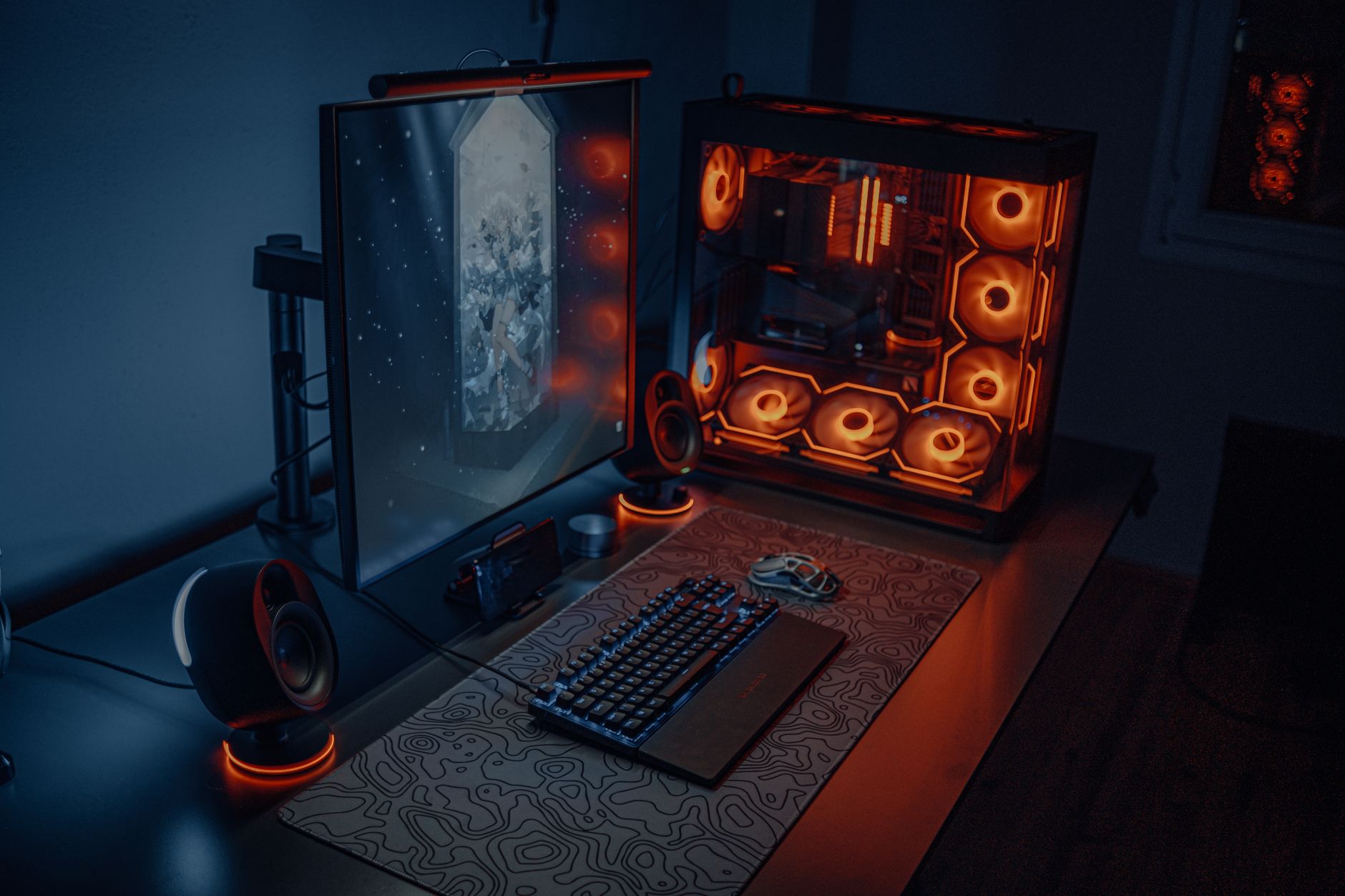
The RX 9070 was tested in its reference configuration, paired with a Ryzen 7 9800X3D to keep CPU bottlenecks from skewing GPU-limited results at 4K. The driver version used was AMD’s latest WHQL-certified release at the time of testing. All results were captured using CapFrameX, which records 1% low and 0.1% low frame times in addition to average framerate, giving a much cleaner look at stutters and drops than simple minimum capture tools.
The game selection covered a deliberate spread: Cyberpunk 2077 with path tracing disabled, Hogwarts Legacy, Assassin’s Creed Shadows, Black Myth: Wukong, Alan Wake 2, and Microsoft Flight Simulator 2024. These titles represent some of the heaviest rasterization workloads available right now. Ray tracing was kept off across the board to isolate rasterization performance, since AMD’s FSR 4 and ray tracing stack are separate discussions worth their own testing. Quality presets were set to Ultra or equivalent, with no upscaling active.
Frame time consistency was prioritized over raw numbers. A card that averages 60 fps but drops to 30 fps during heavy scenes is functionally worse than one averaging 55 fps with a 1% low of 48 fps. The RX 9070 needed to prove it could hold its frame times together under load, not just post respectable averages.

Where the Numbers Land
In Hogwarts Legacy at 4K Ultra, the RX 9070 averaged around 61 fps with a 1% low sitting at roughly 49 fps – a spread that most players would consider acceptable. Black Myth: Wukong was less forgiving, averaging approximately 52 fps at maximum settings with a 1% low that dipped closer to 39 fps during dense environment transitions. That 13-frame gap between average and 1% low is worth paying attention to, though it never crossed into genuinely unplayable territory.
Assassin’s Creed Shadows showed the card’s most consistent behavior. The open-world traversal that typically wrecks minimum frame rates on mid-range hardware produced a tighter spread here, with the 1% low staying within roughly 10 frames of the average throughout extended testing sequences. AMD’s architecture appears particularly well-suited to the steady, predictable workload patterns that open-world titles generate during normal gameplay, even if loading new zones still produces brief dips.
Alan Wake 2 without ray tracing at 4K is still a demanding rasterization workload, and the RX 9070 averaged around 48 fps in the game’s most graphically intense sections. The 1% low dropped to approximately 36 fps during the heavy forest sequences. That is playable, but it is also an honest reminder that this card is operating near its ceiling in certain scenes. Players who want a locked 60 fps experience in Alan Wake 2 at 4K without upscaling will need to compromise on settings or wait for a more powerful GPU.
Microsoft Flight Simulator 2024 remains a unique case because its CPU and streaming demands mean minimum frame rates are almost never a pure GPU story. The RX 9070 held up as well as any mid-range card can in that title, which is to say the 1% lows were inconsistent and dependent heavily on the complexity of the scenery being streamed. Comparing the Radeon RX 9070 vs RTX 5070 in 4K rasterization shows that the gap between these two cards narrows considerably when minimum frame rates are the focus rather than raw averages – the RTX 5070 leads on averages, but the margin on 1% lows is smaller than the pricing difference might suggest.

What the Minimums Actually Tell You
The RX 9070 handles its worst moments at 4K with more composure than a card in this price range historically would. Its 1% low performance in rasterization-heavy titles is genuinely competitive, and there are very few instances across these tested games where frame times spiked in ways that produced visible hitches. RDNA 4’s improvements to shader execution and memory bandwidth allocation appear to be doing real work in reducing the micro-stutter patterns that plagued earlier Radeon architectures.
The honest caveat is that 4K without upscaling is still a stretch for a card at this price. Any title pushing Ultra settings at native 4K is going to find the RX 9070’s limits, and some of those limits show up exactly where you least want them – during cinematic moments or combat-heavy sequences where frame drops are most noticeable. That is not a failing unique to AMD; it is just physics and budget. No $500-class GPU owns 4K without compromise in 2025.
What makes the minimum frame rate story here worth telling is how little the RX 9070 collapses under pressure compared to what the price point suggested it might do twelve months ago. The architecture has clearly matured in ways that matter to real-world smoothness, not just benchmark podium finishes. For players building 4K rigs on a mid-range budget, the minimums are not a dealbreaker – but they do confirm that FSR 4 is not optional if you want consistent 60 fps across demanding titles without tuning settings down.