AMD Unveils RDNA 4 Architecture for Next-Generation Gaming
AMD has officially revealed its next-generation graphics card lineup built on the highly anticipated RDNA 4 architecture, promising significant performance improvements and enhanced ray tracing capabilities for PC gamers. The announcement comes as the company prepares to challenge NVIDIA’s dominance in the high-end GPU market with competitive pricing and cutting-edge features designed for modern gaming demands.
The new RDNA 4 architecture represents a major leap forward for AMD’s graphics technology, incorporating advanced manufacturing processes and architectural improvements that deliver up to 45% better performance per watt compared to the previous RDNA 3 generation. These efficiency gains translate directly into higher frame rates and reduced power consumption, addressing two critical concerns for gaming enthusiasts building high-performance rigs.
Revolutionary Ray Tracing and AI-Powered Features
The standout feature of AMD’s latest GPU lineup centers on dramatically improved ray tracing performance, with hardware-accelerated RT cores that deliver up to 2.5 times better ray tracing performance compared to previous generation cards. This enhancement puts AMD on more competitive footing with NVIDIA’s RTX series, particularly in demanding titles like Cyberpunk 2077, Metro Exodus Enhanced Edition, and the upcoming Indiana Jones and the Great Circle.
AMD has also integrated AI-powered upscaling technology called FSR 4, which leverages machine learning to boost frame rates while maintaining visual quality. The technology works across a broader range of games than previous FSR versions, with developers praising its ease of implementation and impressive results. Early testing shows FSR 4 delivering performance improvements of 60-80% in supported titles without noticeable quality degradation.
Memory bandwidth receives a substantial upgrade with the new cards featuring GDDR7 memory running at speeds up to 28 Gbps. The flagship model includes 24GB of VRAM, positioning it as a serious contender for 4K gaming and content creation workflows. This generous memory allocation addresses complaints from creators who previously found AMD cards limited by VRAM capacity in professional applications.
Competitive Pricing Strategy Targets Mainstream Market
AMD’s pricing strategy for the RDNA 4 lineup appears designed to capture market share from NVIDIA’s mid-range and high-end offerings. The company has positioned its new cards to deliver comparable performance to competing products while maintaining price advantages of 15-25% across the stack. This approach mirrors successful strategies used in AMD’s CPU division, where Ryzen processors gained significant market share through compelling price-to-performance ratios.
The mainstream RX 8600 XT targets 1440p gaming with ray tracing enabled, offering performance similar to NVIDIA’s RTX 4070 at a reportedly lower price point. Meanwhile, the flagship RX 8800 XT aims squarely at 4K gaming enthusiasts currently considering RTX 4080 or RTX 4090 cards. Industry analysts suggest this aggressive pricing could force NVIDIA to reconsider its own pricing structure, potentially benefiting consumers across the entire GPU market.
Availability remains a crucial factor, with AMD promising stronger supply chains and manufacturing partnerships to avoid the shortages that plagued previous GPU launches. The company has reportedly secured additional production capacity at TSMC’s advanced fabrication facilities, suggesting lessons learned from past supply constraints that frustrated gamers trying to secure new graphics cards.
Developer Support and Platform Integration
Game developer adoption represents another critical element of AMD’s strategy, with major studios already implementing support for RDNA 4 features in upcoming titles. Epic Games has confirmed enhanced Unreal Engine 5 optimizations for AMD’s new architecture, while CD Projekt Red announced specific optimizations for The Witcher 4 that leverage the improved ray tracing capabilities.
The timing aligns well with broader industry trends, as major platform holders invest heavily in gaming infrastructure. Steam’s recent workshop overhaul, as detailed in Valve’s summer announcement, creates new opportunities for mod creators and developers to showcase graphics-intensive content that benefits from powerful hardware like AMD’s latest offerings.
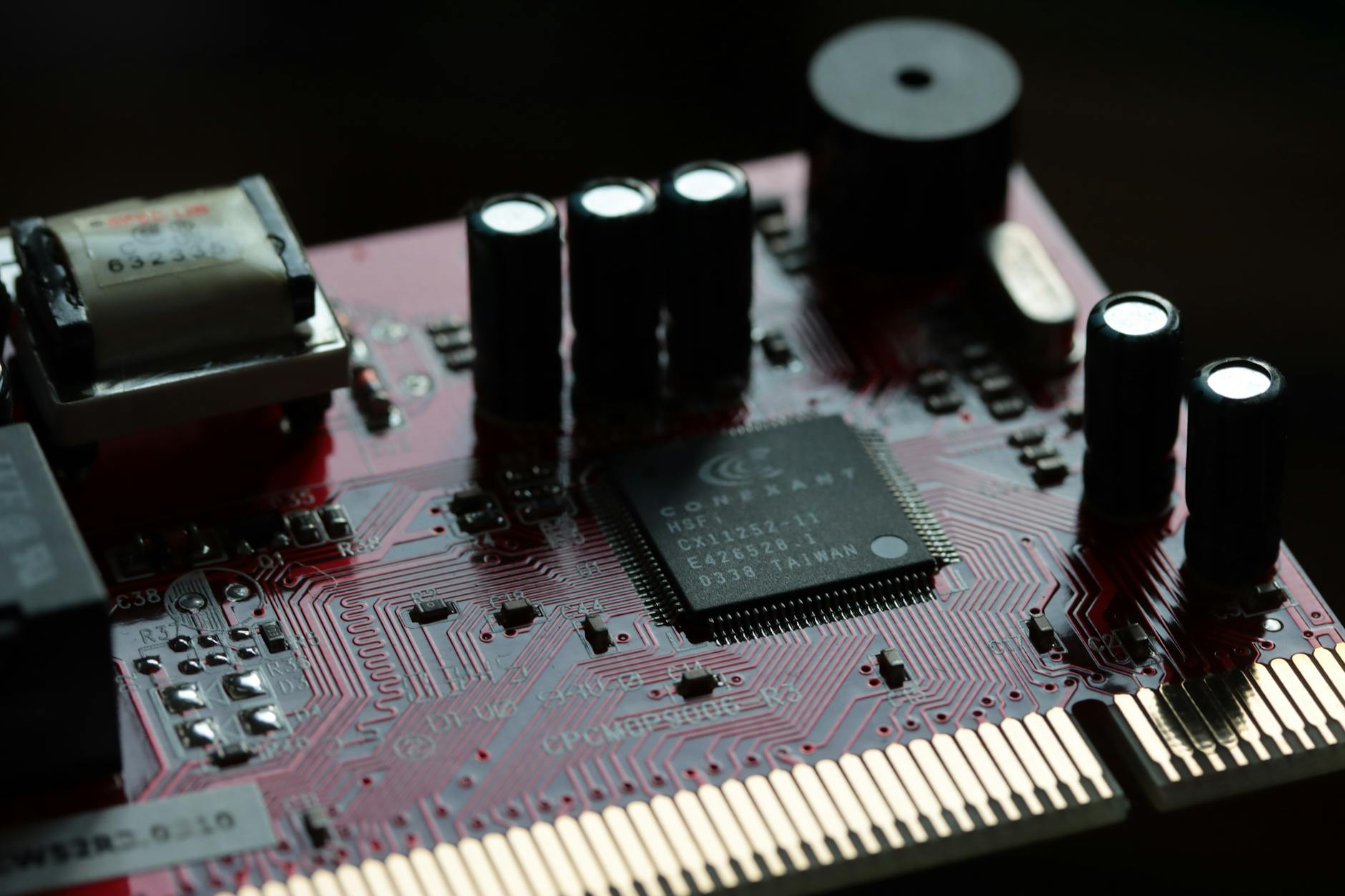
AMD’s RDNA 4 graphics cards represent the company’s most ambitious attempt yet to reclaim high-end GPU market share from NVIDIA. With improved ray tracing, competitive pricing, and strong developer support, these new cards could reshape the graphics card landscape when they launch in early 2024. The success of this lineup will likely determine AMD’s position in the gaming hardware market for years to come, making it one of the most important product launches in recent GPU history.
Frequently Asked Questions
When will AMD RDNA 4 graphics cards be available?
AMD RDNA 4 graphics cards are expected to launch in early 2024 with improved supply chain management.
How much better is RDNA 4 ray tracing performance?
AMD claims up to 2.5 times better ray tracing performance compared to previous generation RDNA 3 cards.