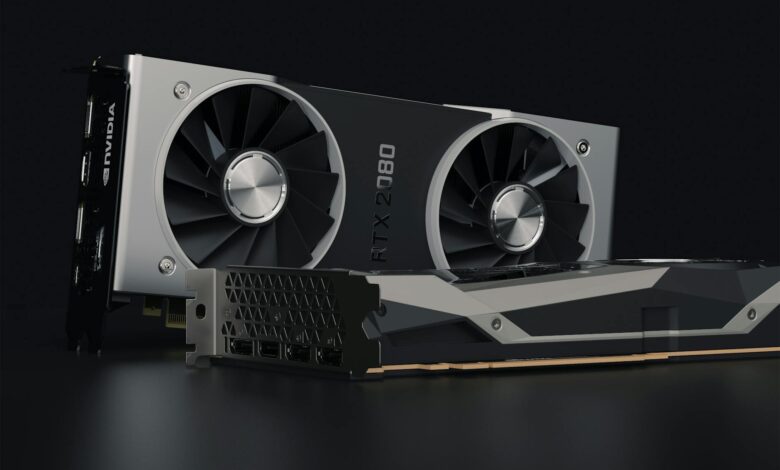
1440p gaming has become the sweet spot for PC enthusiasts who want crisp visuals without the extreme hardware demands of 4K. The resolution offers a significant upgrade from 1080p while remaining achievable on budget-conscious builds. Finding graphics cards that deliver smooth framerates at this resolution without breaking the bank requires careful consideration of performance per dollar.
The graphics card market has evolved dramatically, with both NVIDIA and AMD pushing competitive options into the sub-$400 price range. These budget-friendly GPUs can handle modern AAA titles at 1440p with smart settings adjustments, making high-resolution gaming accessible to more players than ever before.
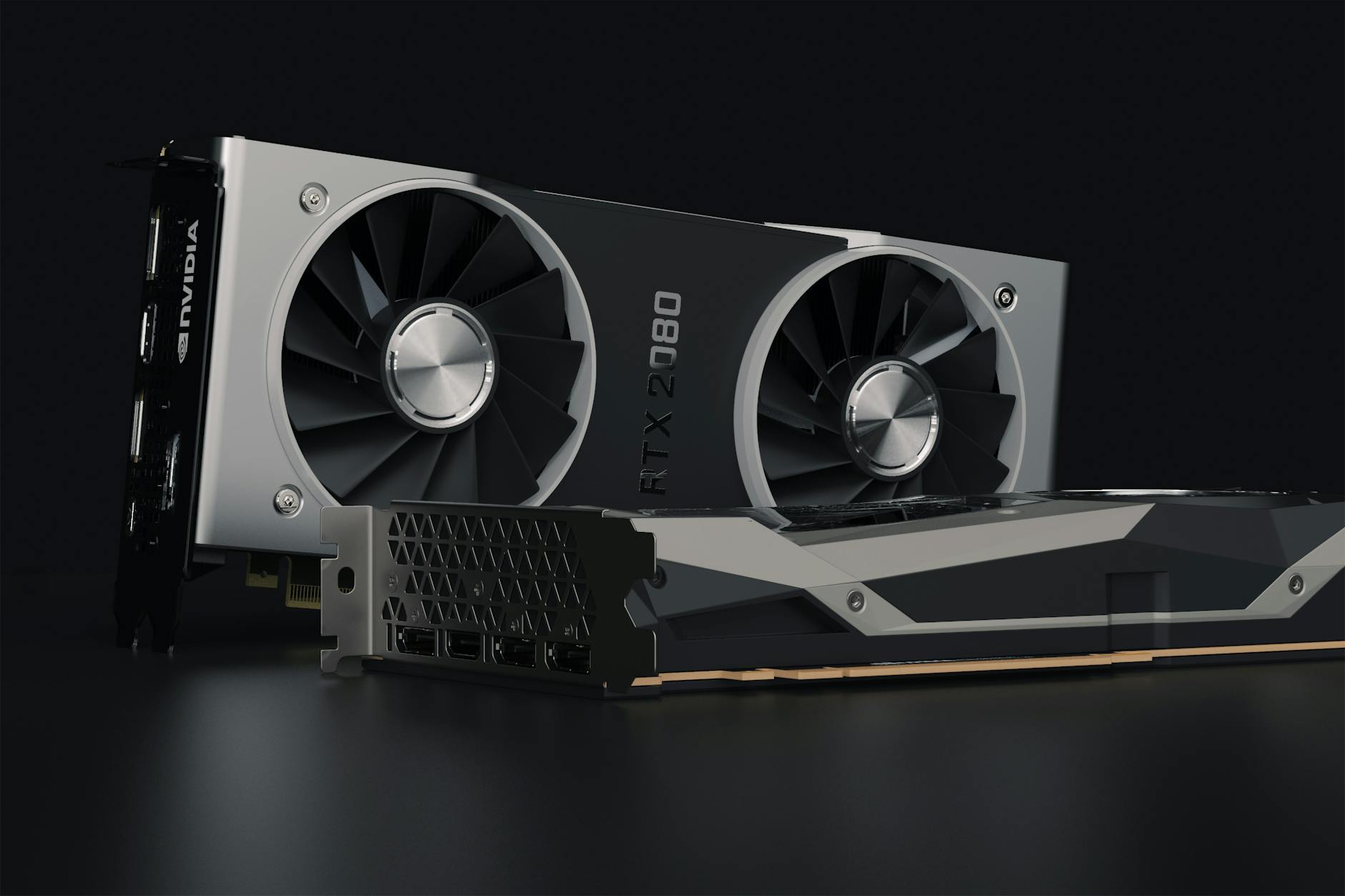
1. NVIDIA GeForce RTX 4060 Ti 8GB
The RTX 4060 Ti 8GB stands out as one of the most capable budget options for 1440p gaming. This card consistently delivers 60+ FPS in most modern titles when running high settings, with some games pushing into the 80-90 FPS range. The Ada Lovelace architecture brings improved efficiency and the latest DLSS 3 Frame Generation technology, which can significantly boost performance in supported games.
Ray tracing performance on the RTX 4060 Ti remains respectable for a budget card, allowing players to enable moderate ray tracing settings in many titles while maintaining playable framerates. The 8GB of VRAM provides adequate headroom for current games, though some future titles may require texture quality adjustments. Street pricing typically hovers around $350-380, making it a strong value proposition for 1440p enthusiasts.
2. AMD Radeon RX 7600 XT
AMD’s RX 7600 XT offers excellent rasterization performance that often matches or exceeds the RTX 4060 Ti in traditional rendering scenarios. The RDNA 3 architecture delivers impressive efficiency gains, and the card excels in esports titles and competitive games where high refresh rates matter most. FSR 3 support provides a viable alternative to DLSS, though game support remains more limited.
The 16GB of VRAM on the RX 7600 XT provides significant future-proofing advantages over competitors with 8GB configurations. This extra memory buffer allows for higher texture settings and better performance consistency in VRAM-intensive scenarios. While ray tracing performance trails NVIDIA offerings, the strong traditional rendering performance and competitive pricing around $320-350 make it an attractive option for budget builders.
3. NVIDIA GeForce RTX 4060 8GB
The standard RTX 4060 represents the entry point for comfortable 1440p gaming, delivering solid performance when expectations align with its positioning. Most modern games run smoothly at medium-to-high settings, with competitive titles easily exceeding 100 FPS. DLSS support extends the card’s lifespan significantly, often providing the performance boost needed to maintain smooth framerates as games become more demanding.
Power efficiency stands as a major strength of the RTX 4060, drawing just 115W under full load. This makes it ideal for compact builds or systems with limited power supply headroom. The $280-320 pricing makes it the most affordable entry point for 1440p gaming with modern features, though users should expect to adjust settings more frequently as new games release.
4. AMD Radeon RX 7600
The RX 7600 delivers surprising 1440p capability despite its positioning as a 1080p card. While some newer AAA titles may require medium settings to maintain 60 FPS, the majority of games run comfortably at high settings. The RDNA 3 architecture provides excellent performance per watt, and FSR support helps extend performance in compatible titles.
Priced aggressively around $250-280, the RX 7600 offers exceptional value for budget-conscious gamers willing to make occasional settings compromises. The 8GB of VRAM provides adequate headroom for current games, and the card’s efficiency makes it suitable for small form factor builds. Performance scaling with modern upscaling technologies helps maintain relevance as games become more demanding.
5. NVIDIA GeForce RTX 4070 (Previous Generation Value)
As newer cards enter the market, the RTX 4070 has become increasingly attractive for 1440p gaming. This card handles virtually any current game at high-to-ultra settings while maintaining 60+ FPS, with many titles reaching 80-100 FPS territory. The 12GB of VRAM provides excellent future-proofing, and DLSS 3 Frame Generation support can push performance into high refresh rate territory.
Ray tracing performance on the RTX 4070 allows for meaningful use of RT features in most games, providing a more immersive visual experience without sacrificing playability. While typically priced around $450-500, periodic sales and rebates can bring it within reach of budget-focused builders. The additional performance headroom makes it worthwhile for those who can stretch their budget slightly.
6. AMD Radeon RX 6700 XT (Legacy Value)
The RX 6700 XT remains a viable option for 1440p gaming, particularly as prices continue to drop on remaining inventory. RDNA 2 architecture delivers solid performance in traditional rasterization, often matching or exceeding newer budget cards in games without heavy ray tracing implementations. The 12GB of VRAM provides excellent longevity for texture-heavy games.
While lacking the latest features like FSR 3 or advanced ray tracing capabilities, the RX 6700 XT compensates with strong raw performance and aggressive pricing. Street prices around $280-320 make it competitive with newer options, especially for gamers who prioritize traditional rendering performance over cutting-edge features. The card pairs well with high-refresh 1440p monitors in competitive gaming scenarios.
Making the Right Choice for Your Build
Selecting the ideal budget graphics card for 1440p gaming depends heavily on individual priorities and system configuration. Gamers who value ray tracing and DLSS should lean toward NVIDIA options, while those prioritizing raw rasterization performance and VRAM capacity may find AMD offerings more appealing. Consider your power supply capacity, case clearance, and desired feature set when making the final decision.
Remember that 1440p gaming performance extends beyond just the graphics card. Pairing your GPU with adequate CPU performance and fast storage solutions like those discussed in our SSD performance analysis ensures smooth gameplay experiences. Monitor refresh rates and adaptive sync compatibility should also factor into your overall system planning.
The budget 1440p graphics card market offers compelling options across multiple price tiers, making high-resolution gaming more accessible than ever. Whether choosing the feature-rich RTX 4060 Ti or the value-focused RX 7600, modern budget GPUs provide the performance needed for enjoyable 1440p gaming experiences without excessive compromise.
Frequently Asked Questions
What’s the minimum graphics card needed for 1440p gaming?
The RTX 4060 or RX 7600 represent the entry point for comfortable 1440p gaming with modern titles at medium-high settings.
How much VRAM do I need for 1440p gaming?
8GB of VRAM handles current games well, though 12GB or more provides better future-proofing for upcoming releases.