Competitive first-person shooters demand split-second reactions and pixel-perfect accuracy. The right monitor can make the difference between victory and defeat, giving you the edge needed to climb ranked ladders. Ultrawide gaming monitors have evolved from cinematic curiosities to serious competitive tools, offering expanded field of view without sacrificing the high refresh rates and low input lag that esports athletes require.
Professional players across Counter-Strike 2, Valorant, and Apex Legends increasingly turn to ultrawide displays for their peripheral vision advantages. The extra screen real estate allows you to spot enemies moving at the edges of traditional 16:9 displays, while modern ultrawide panels deliver the same blazing-fast response times that made their standard counterparts legendary.
1. ASUS ROG Swift PG34WCDM
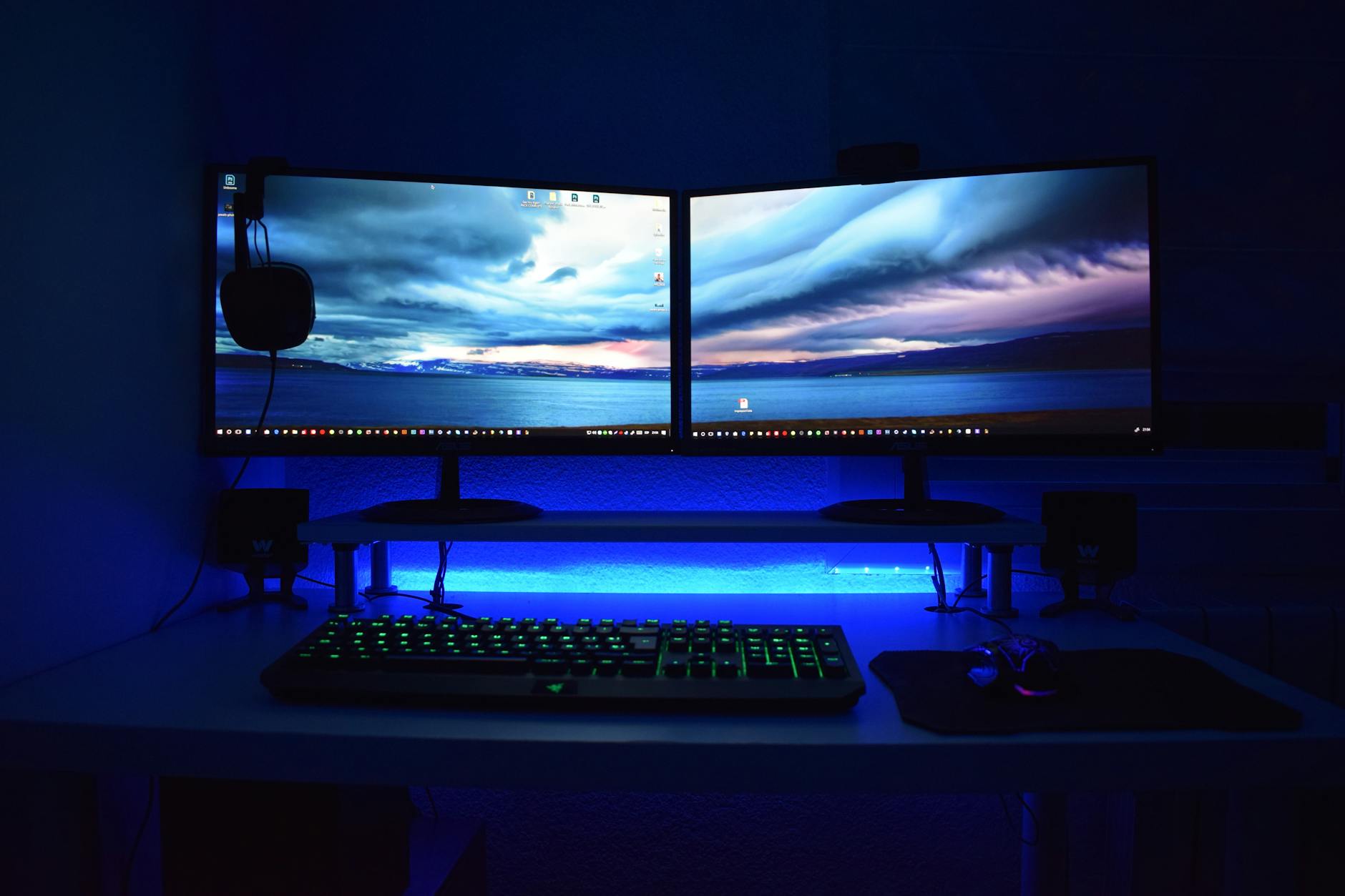
The ASUS ROG Swift PG34WCDM represents the pinnacle of competitive ultrawide gaming. This 34-inch OLED panel delivers true blacks and infinite contrast while maintaining a blistering 240Hz refresh rate. The 0.03ms gray-to-gray response time eliminates ghosting completely, giving you crystal-clear tracking of fast-moving targets.
G-Sync Ultimate certification ensures buttery-smooth gameplay even when frame rates fluctuate. The 1440p ultrawide resolution strikes the perfect balance between visual fidelity and performance demands. Professional esports players praise its color accuracy and HDR implementation, which helps distinguish enemies in dark corners without washing out bright areas.
ASUS includes their exclusive DisplayWidget Center software, allowing quick adjustments to crosshair overlays, FPS counters, and gaming-specific display modes. The monitor’s aggressive 1800R curve enhances peripheral vision while maintaining comfortable viewing angles during extended gaming sessions.
2. Samsung Odyssey OLED G8
Samsung’s Odyssey OLED G8 brings cutting-edge QD-OLED technology to competitive gaming. The 34-inch panel combines Samsung’s quantum dot color enhancement with OLED’s perfect blacks, creating stunning visuals that don’t compromise on speed. At 175Hz refresh rate with 0.1ms response time, it handles fast-paced shooters with exceptional clarity.
The Neo Quantum Processor automatically optimizes gaming content, enhancing shadow details where enemies might hide. FreeSync Premium Pro support works seamlessly with AMD graphics cards, while NVIDIA compatibility ensures broad system support. The monitor’s smart TV features include streaming apps, though serious competitors will appreciate the gaming-focused modes more.
Samsung’s Game Bar overlay provides quick access to monitor settings without leaving your match. The 1800R curvature feels natural during intense firefights, while the sturdy stand offers extensive adjustment options for optimal positioning.
3. LG UltraGear 34GP83A-B
LG’s UltraGear 34GP83A-B delivers exceptional value for competitive gamers seeking ultrawide advantages without premium pricing. The 34-inch Nano IPS panel maintains 160Hz refresh rate with 1ms GTG response time, matching the performance needs of serious FPS players. Wide color gamut coverage ensures accurate enemy visibility across different lighting conditions.
NVIDIA G-Sync Compatible and AMD FreeSync Premium certifications provide adaptive sync support across graphics card brands. The monitor’s HDR10 support enhances contrast in darker game environments, crucial for spotting camping opponents. LG’s Sphere Lighting 2.0 creates an immersive ambient lighting system that reduces eye strain during marathon gaming sessions.
The included software suite offers crosshair customization, black stabilizer settings, and motion blur reduction. Professional streamers appreciate the Picture-by-Picture mode, allowing simultaneous game display and stream management tools. Build quality remains solid despite the competitive pricing, with a sturdy stand and comprehensive connectivity options.
4. Alienware AW3423DWF
Dell’s Alienware AW3423DWF brings QD-OLED technology to the competitive gaming market at a more accessible price point. The 34-inch curved display delivers 165Hz refresh rate with 0.1ms response time, ensuring smooth gameplay in fast-paced shooters. True 10-bit color depth and infinite contrast ratio create stunning visuals that help distinguish enemies from backgrounds.
AMD FreeSync Premium Pro support eliminates screen tearing while maintaining low input lag. The monitor’s Creator Mode provides accurate color reproduction for content creation, while Dark Stabilizer enhances shadow detail visibility in competitive matches. AlienFX RGB lighting integration allows synchronization with other Alienware peripherals.
Dell includes comprehensive software for monitor management, gaming presets, and performance monitoring. The 1800R curve provides immersive peripheral vision without distorting crosshair placement. Professional build quality and excellent warranty support make this a reliable choice for serious competitors.
5. MSI MPG 341CQR
MSI’s MPG 341CQR targets competitive gamers with its 144Hz refresh rate and 1ms response time combination. The 34-inch VA panel offers deeper blacks than IPS alternatives while maintaining reasonable color accuracy. Curved design enhances peripheral vision crucial for spotting flanking enemies in tactical shooters.
Gaming OSD software provides extensive customization options, including crosshair overlays, night vision modes, and refresh rate displays. The monitor supports both G-Sync Compatible and FreeSync Premium, ensuring broad graphics card compatibility. MSI’s Mystic Light RGB system coordinates with other gaming peripherals for cohesive setups.
The monitor includes gaming-focused connectivity with multiple USB ports and headphone hooks. Professional esports players appreciate the consistent performance and reliable build quality. While not matching OLED response times, the MPG 341CQR delivers competitive performance at a more budget-friendly price point.
6. ASUS TUF Gaming VG34VQL1B
ASUS TUF Gaming VG34VQL1B provides entry-level access to ultrawide competitive gaming. The 34-inch curved VA panel delivers 165Hz refresh rate with 1ms MPRT response time, suitable for most competitive scenarios. Adaptive-Sync technology works with both AMD and NVIDIA graphics cards for tear-free gaming.
ELMB-Sync technology reduces motion blur without disabling variable refresh rate, maintaining smooth gameplay during intense firefights. The monitor includes shadow boost functionality to enhance visibility in dark game areas. TUF construction emphasizes durability and long-term reliability for dedicated gamers.
Gaming features include crosshair overlays, timer functions, and FPS counters built into the display. The ergonomic stand provides tilt, swivel, and height adjustments for comfortable positioning. While lacking premium features of higher-end models, the VG34VQL1B delivers solid competitive performance for budget-conscious players.
Choosing the right ultrawide monitor depends on your competitive priorities and budget constraints. OLED panels like the ASUS ROG Swift and Samsung Odyssey series offer unmatched response times and visual quality for serious esports competitors. More affordable options like the MSI MPG series and ASUS TUF models still provide competitive advantages over traditional displays.
Consider pairing your new ultrawide monitor with optimized hardware. AMD’s Ryzen 9000 series processors provide the CPU performance needed to drive high refresh rates, while proper Windows 11 gaming optimizations ensure you’re getting maximum performance from your new display.
The competitive gaming landscape continues evolving, but ultrawide monitors have proven their value in professional esports. Enhanced peripheral vision, combined with modern high refresh rates and low input lag, creates tangible advantages in competitive first-person shooters. Investment in quality display technology pays dividends in improved performance and gaming enjoyment.
Frequently Asked Questions
Are ultrawide monitors good for competitive gaming?
Yes, ultrawide monitors provide enhanced peripheral vision and field of view advantages while maintaining high refresh rates needed for competitive play.
What refresh rate do I need for competitive FPS gaming?
144Hz minimum for competitive play, with 240Hz+ preferred for professional esports and high-level ranked gameplay.