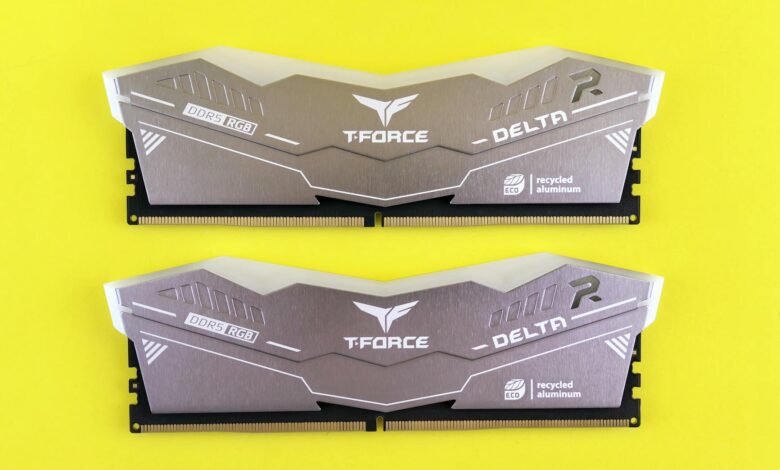
Loading screens still plague your gaming sessions despite owning a high-end graphics card and blazing-fast SSD. The culprit might be your system memory. DDR4 versus DDR5 RAM creates a significant performance gap in modern gaming, particularly affecting load times in CPU-intensive titles and open-world games that stream massive amounts of data.
The memory wars have intensified as game developers push boundaries with larger worlds, higher-resolution textures, and more complex AI systems. While graphics cards grab headlines, system memory quietly determines whether you’re first into the match or watching loading screens while others dominate the leaderboard.
The Technical Foundation: How Memory Speed Affects Gaming
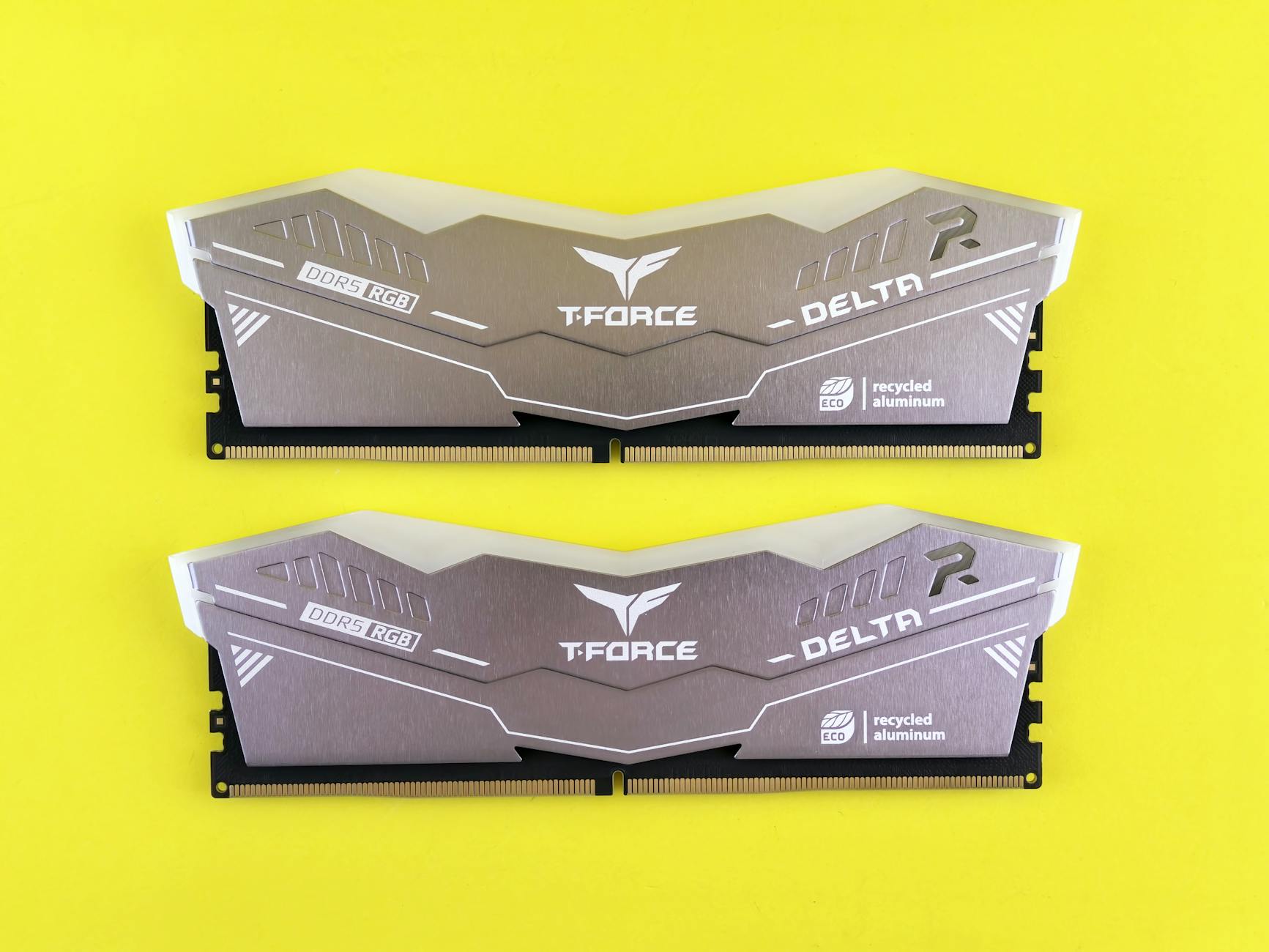
DDR5 memory operates at significantly higher frequencies than DDR4, starting at 4800 MT/s compared to DDR4’s typical 3200 MT/s ceiling. This translates to roughly 50% more bandwidth for data transfer between your CPU and memory subsystem. Modern games increasingly rely on this bandwidth to stream textures, load level geometry, and manage complex game states.
CPU cache misses create the most noticeable performance differences. When your processor needs data that isn’t stored in its small, fast cache, it must fetch information from system memory. DDR5’s lower latency and higher bandwidth reduce these fetch times, directly impacting frame pacing and load speeds.
Memory controllers in current-generation processors from Intel and AMD are optimized for DDR5’s architecture. Intel’s 12th generation and newer processors, along with AMD’s Ryzen 7000 series, show marked improvements when paired with DDR5 compared to DDR4 configurations.
Real-World Gaming Performance Differences
Testing across popular titles reveals where DDR5 makes the biggest impact. Open-world games like Cyberpunk 2077 and Elden Ring show 15-25% faster initial load times with DDR5 compared to high-end DDR4 kits. These improvements stem from faster asset streaming as you traverse large game worlds.
Competitive multiplayer games benefit differently. Counter-Strike 2 and Valorant show minimal loading improvements but demonstrate better frame consistency during intense firefights when paired with DDR5. The additional bandwidth prevents microstutters when the game loads new map sections or player models.
Strategy games like Total War: Warhammer III and Civilization VI reveal DDR5’s most dramatic advantages. Turn processing times drop significantly, with some players reporting 30-40% faster AI calculations on large maps. These titles heavily tax system memory with complex calculations and large datasets.

Modern game engines increasingly utilize system memory as a buffer for streaming assets. Unreal Engine 5’s Nanite virtualized geometry system, used in games like The Matrix Awakens and Fortnite’s newer areas, shows substantial performance gains with DDR5’s increased bandwidth.
Cost-Benefit Analysis for Gamers
DDR5 pricing has stabilized since its turbulent launch period, though it remains more expensive than equivalent DDR4 kits. Entry-level DDR5-5600 kits now cost roughly 30-40% more than comparable DDR4-3200 modules, while high-performance DDR5-6400 kits command premium pricing.
The platform requirements complicate the upgrade equation. DDR5 requires newer motherboards and processors, making it impossible to simply swap memory modules in older systems. This forces a more comprehensive system upgrade, significantly increasing total costs.
For builders considering new systems, the choice becomes clearer. Current-generation platforms from Intel and AMD are optimized for DDR5, and DDR4 support is already being phased out in newer chipsets. Choosing DDR4 for a new build essentially creates a dead-end upgrade path.
Gamers running older systems might find better value in maxizing their current DDR4 setup before considering a platform upgrade. High-speed DDR4-3600 or DDR4-4000 kits can provide meaningful improvements over slower memory while delaying the need for complete system replacement.
Future-Proofing Considerations
Game development trends point toward increasing memory demands. Next-generation titles will likely assume DDR5’s higher bandwidth as baseline, potentially leaving DDR4 systems struggling with newer releases. Microsoft’s DirectStorage API and similar technologies from other platforms are designed around modern NVMe SSDs and fast system memory working together.
Ray tracing and AI-enhanced graphics features create additional memory pressure. NVIDIA’s DLSS and AMD’s FSR technologies, while primarily GPU-bound, still require system memory for managing upscaling algorithms and temporal data.
The relationship between DDR5 and high-refresh gaming deserves consideration for competitive players. While raw frame rates might not show dramatic differences, the improved frame pacing and reduced microstutters can provide competitive advantages in fast-paced games. Our analysis of the Best DDR5 RAM Kits for High Refresh Rate Gaming reveals specific configurations that maximize these benefits.
Looking ahead, DDR5 will likely become the minimum standard for new game releases within the next two years. Early adopters of DDR5 systems will maintain longer upgrade cycles, while DDR4 users may face earlier obsolescence as games increasingly target newer memory standards.
The memory upgrade decision ultimately depends on your current system and gaming priorities. New system builders should choose DDR5 for longevity, while existing DDR4 users might maximize their current setup before making the platform leap. Either way, system memory has reclaimed its position as a crucial gaming component, directly affecting the experiences that matter most to players.
Frequently Asked Questions
Is DDR5 worth upgrading from DDR4 for gaming?
For new builds, yes. For existing DDR4 systems, maximize current memory first before considering platform upgrade.
Which games benefit most from DDR5 memory?
Open-world games, strategy titles, and games using Unreal Engine 5 show the biggest improvements with DDR5’s higher bandwidth.