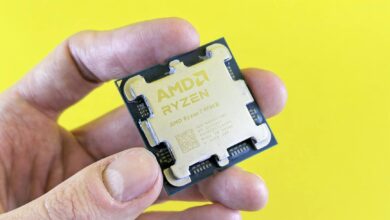
The great RAM upgrade debate rages on in gaming forums, but recent real-world testing reveals DDR5’s impact on gaming performance isn’t what most players expect. While DDR5 memory delivers theoretical bandwidth improvements over DDR4, actual gaming benchmarks tell a more nuanced story about when the upgrade truly matters.
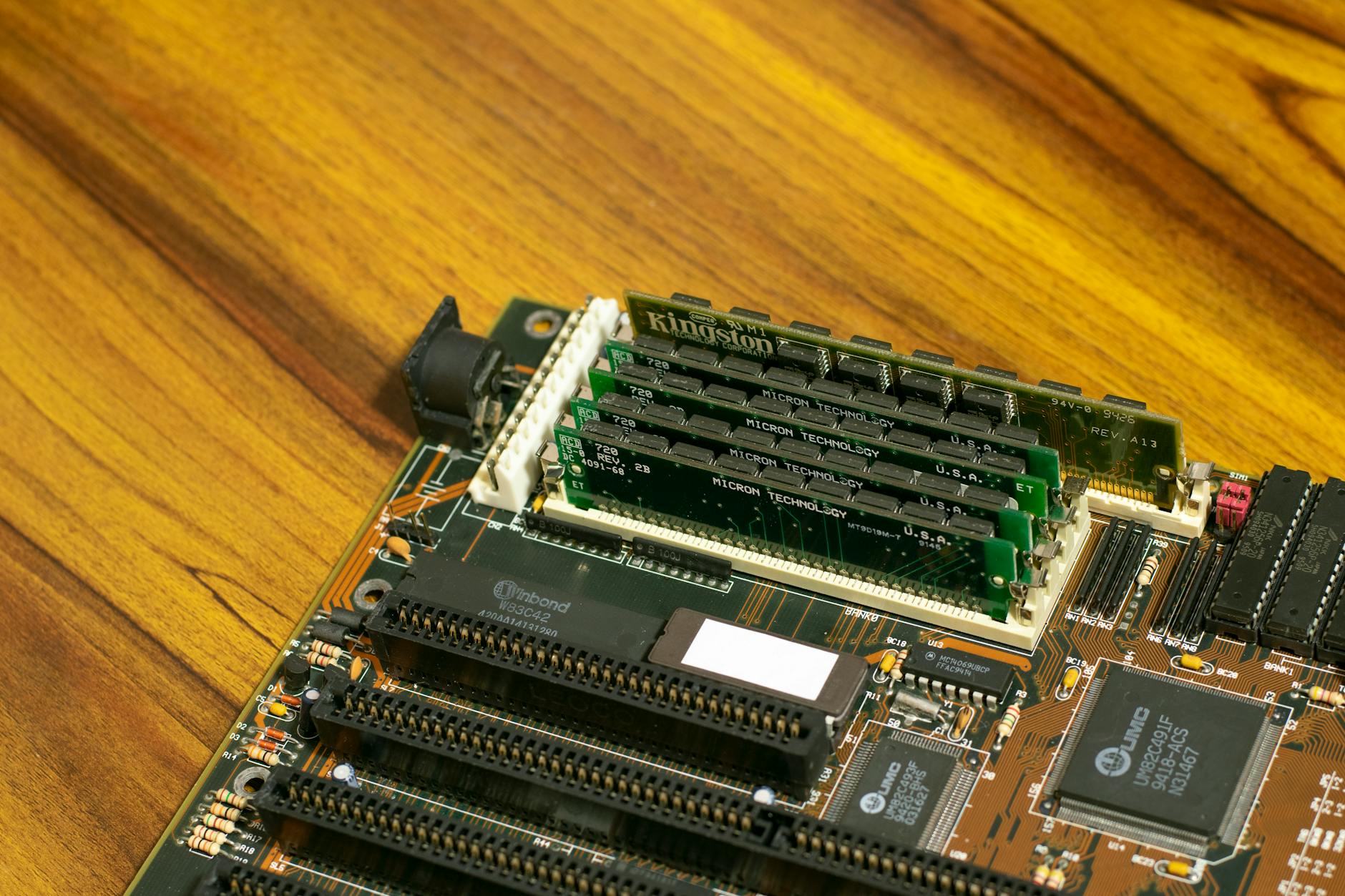
DDR5 memory arrived promising revolutionary performance gains with speeds starting at 4800 MT/s compared to DDR4’s typical 3200 MT/s ceiling. Early adopters anticipated dramatic frame rate improvements, but extensive testing across popular gaming titles reveals the reality of memory’s role in gaming performance.
Frame Rate Reality Check Across Popular Games
Testing across major gaming titles shows DDR5’s gaming impact varies dramatically by genre and game engine. First-person shooters like Counter-Strike 2 and Valorant show minimal differences between DDR4-3200 and DDR5-5600 configurations, typically within 2-3% margin of error. The CPU-bound nature of competitive shooters means memory bandwidth rarely becomes the limiting factor.
Open-world titles present a different picture. Games like Cyberpunk 2077 and Assassin’s Creed Mirage show more noticeable improvements with DDR5, particularly in busy urban environments where the system loads massive amounts of texture data. Frame time consistency improves more than raw frame rates, reducing stuttering during rapid camera movements or when entering new areas.
Strategy games and city builders benefit most from DDR5’s bandwidth advantage. Titles like Cities: Skylines 2 and Total War: Warhammer III show 8-12% performance improvements with high-speed DDR5, especially during complex simulation calculations involving thousands of units or massive population centers.
The most surprising results come from esports titles where competitive players expected the biggest gains. League of Legends, Dota 2, and Rocket League show virtually identical performance between memory types, suggesting that for purely competitive gaming, DDR5 offers little advantage over properly tuned DDR4.
CPU and GPU Pairing Impact
Memory performance scaling depends heavily on processor choice. Intel’s latest generation processors show more pronounced benefits from DDR5 compared to AMD’s offerings, particularly in memory-sensitive workloads. This difference stems from architectural variations in how each platform handles memory controller optimization.
High-end graphics cards like the RTX 4080 and RTX 4090 amplify DDR5’s benefits more than mid-range options. When paired with powerful GPUs pushing high frame rates at 1440p or 4K resolution, the memory subsystem works harder to feed data to both CPU and graphics card. Lower-tier graphics cards often become the bottleneck before memory bandwidth limitations appear.

The relationship between graphics card performance tiers and memory scaling reveals an important consideration for budget-conscious builders. Pairing DDR5 with a mid-range GPU like RTX 4060 or RX 7600 provides minimal gaming benefits compared to investing those extra dollars directly in GPU performance.
Processor generation matters significantly for DDR5 adoption. Older platforms supporting DDR4 exclusively still deliver excellent gaming performance, making the memory upgrade path less compelling for existing systems. The performance delta between well-tuned DDR4-3600 and entry-level DDR5-4800 often favors the optimized DDR4 configuration.
Price-to-Performance Analysis
DDR5 pricing continues falling from launch premiums, but cost analysis reveals interesting budget allocation strategies. A typical 32GB DDR5-5600 kit costs approximately 40-60% more than equivalent DDR4-3200 memory. For gaming-focused builds, that price difference often represents a meaningful GPU tier upgrade instead.
The math becomes clearer when examining total system cost. On a $1500 gaming PC budget, spending an extra $100 on DDR5 over DDR4 might prevent upgrading from RTX 4060 Ti to RTX 4070, a change delivering far more gaming performance than the memory upgrade alone.
Value calculations shift for users planning multi-year system longevity. DDR5 represents the current memory standard for new platforms, ensuring compatibility with future CPU generations. Early DDR5 adoption positions systems for easier future upgrades without requiring motherboard replacement.
Content creators and streamers find DDR5’s bandwidth advantages more compelling than pure gamers. Video encoding, streaming software, and background applications benefit from additional memory bandwidth, making the upgrade more justifiable for users combining gaming with content creation workflows.
Future-Proofing Considerations
Game engine evolution suggests memory bandwidth importance will increase over time. Newer engines like Unreal Engine 5 with Nanite virtualized geometry and Lumen global illumination systems stress memory subsystems harder than traditional rendering pipelines. Early testing with UE5-based titles shows larger performance gaps between memory types.
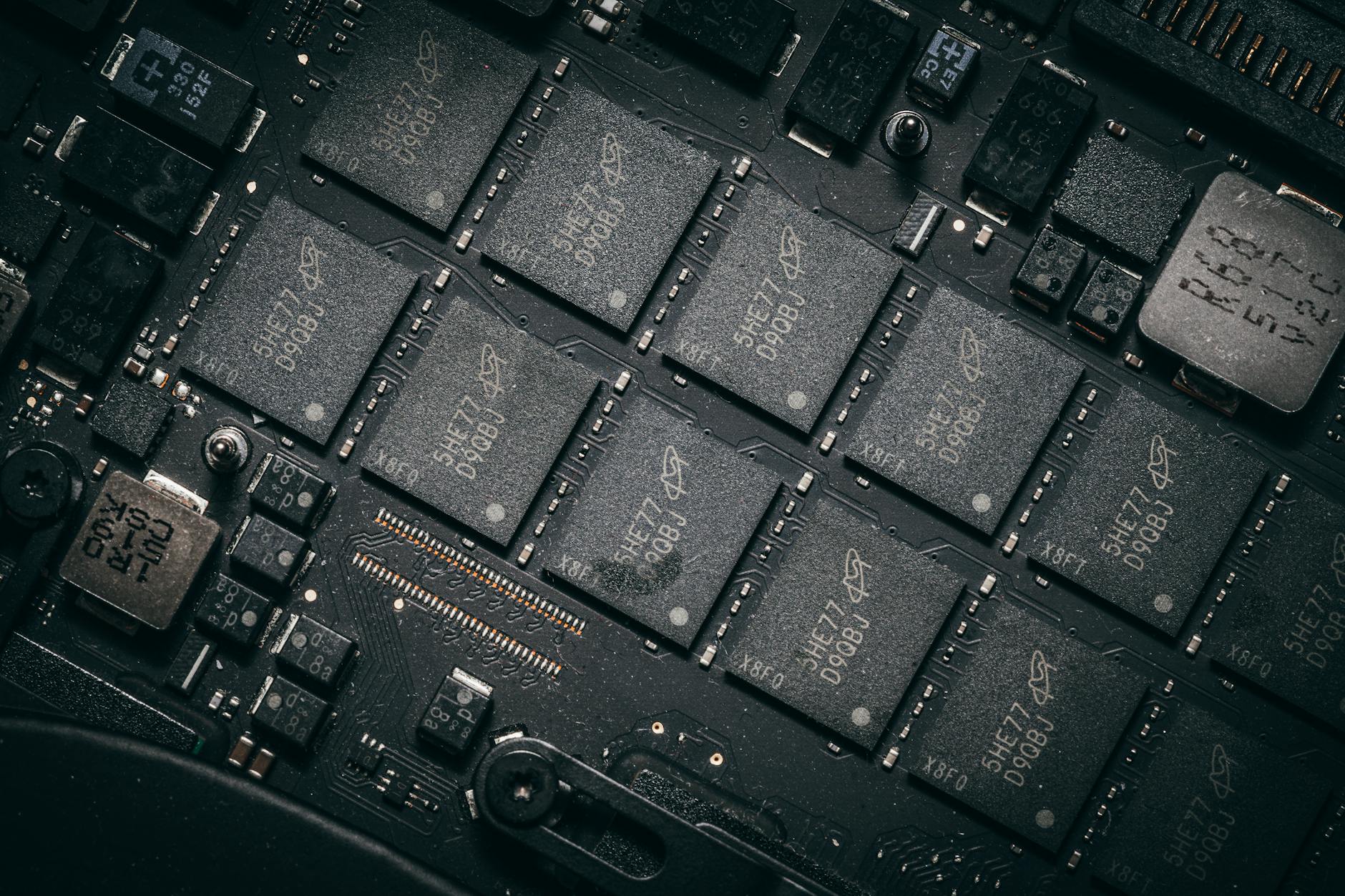
Next-generation console architecture influences PC gaming memory requirements. Both PlayStation 5 and Xbox Series X feature unified memory pools with substantial bandwidth, pushing PC game developers toward more memory-intensive optimization strategies. Future titles may show greater DDR5 advantages as developers target these console specifications.
DirectStorage implementation on Windows represents another factor favoring faster memory. This technology enables direct GPU asset streaming, reducing CPU overhead but potentially increasing memory bandwidth demands. Games properly implementing DirectStorage may show clearer DDR5 benefits as the technology matures.
The memory upgrade path forward depends on individual gaming priorities and budget constraints. Competitive esports players see minimal current benefits from DDR5, while enthusiasts building high-end systems or planning long-term upgrades find the investment more compelling. As DDR5 pricing normalizes and game engines evolve, the performance gap will likely widen, making early adoption increasingly sensible for future-focused builds.
Frequently Asked Questions
Does DDR5 improve gaming FPS significantly?
DDR5 typically provides 2-8% gaming improvements, with larger gains in open-world and strategy games than competitive shooters.
Is DDR5 worth it for gaming in 2024?
DDR5 offers modest current gaming benefits but provides better future-proofing for new platforms and upcoming game engines.