Final Fantasy VII Rebirth finally arrives on PC after months of PlayStation exclusivity, bringing Cloud Strife’s expanded journey to a broader audience. Square Enix’s ambitious sequel showcases stunning visual improvements and enhanced performance options that make this the definitive way to experience Midgar’s destruction and beyond.
The PC port delivers what console players have been experiencing since February 2024, but with significant technical enhancements. Running on modern hardware reveals details that were previously compressed or limited by console specifications. Character models show increased polygon counts, environmental textures display sharper resolution, and lighting effects create more dramatic atmospheric scenes throughout the sprawling world.
Performance Optimization Exceeds Expectations
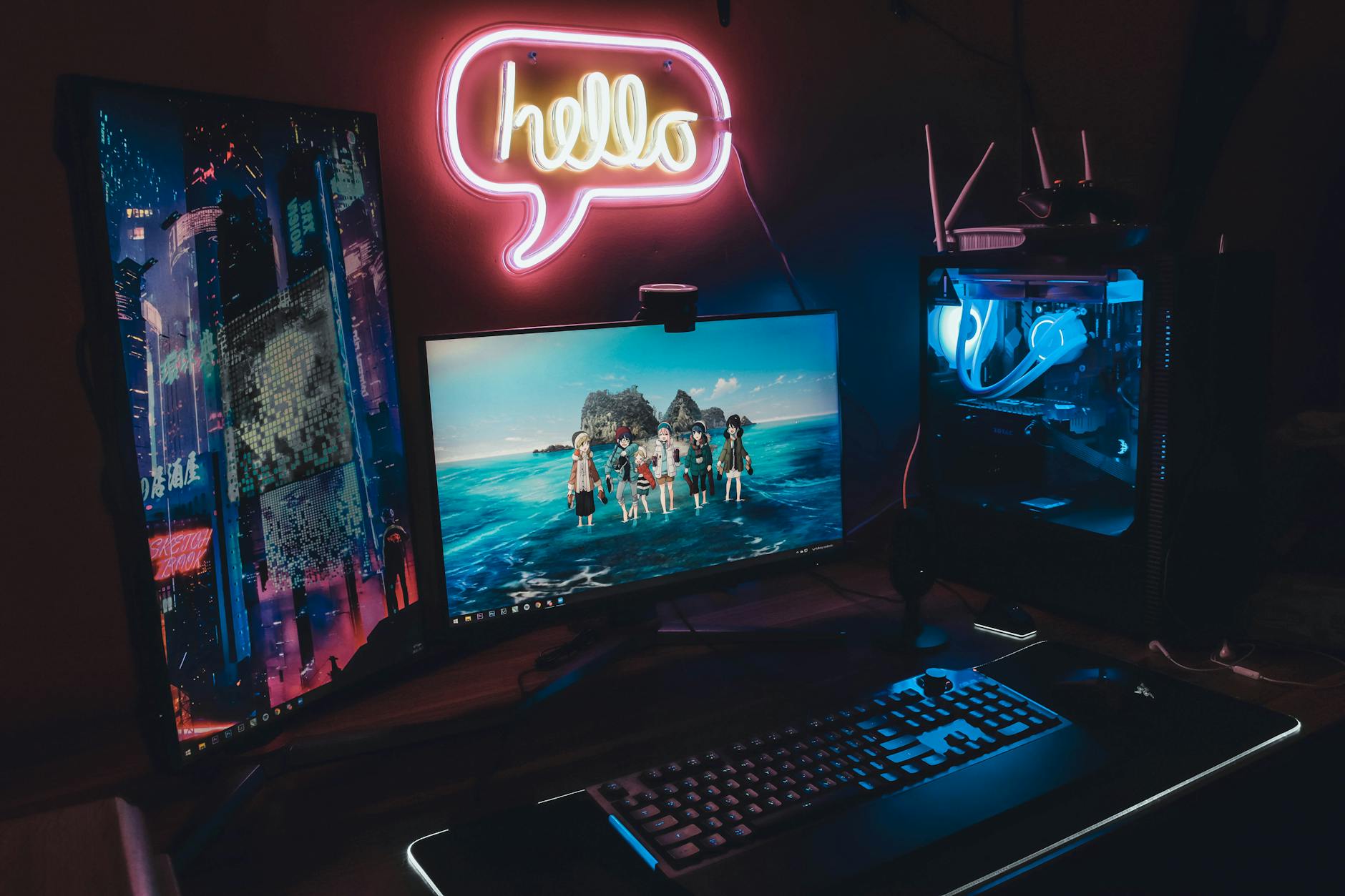
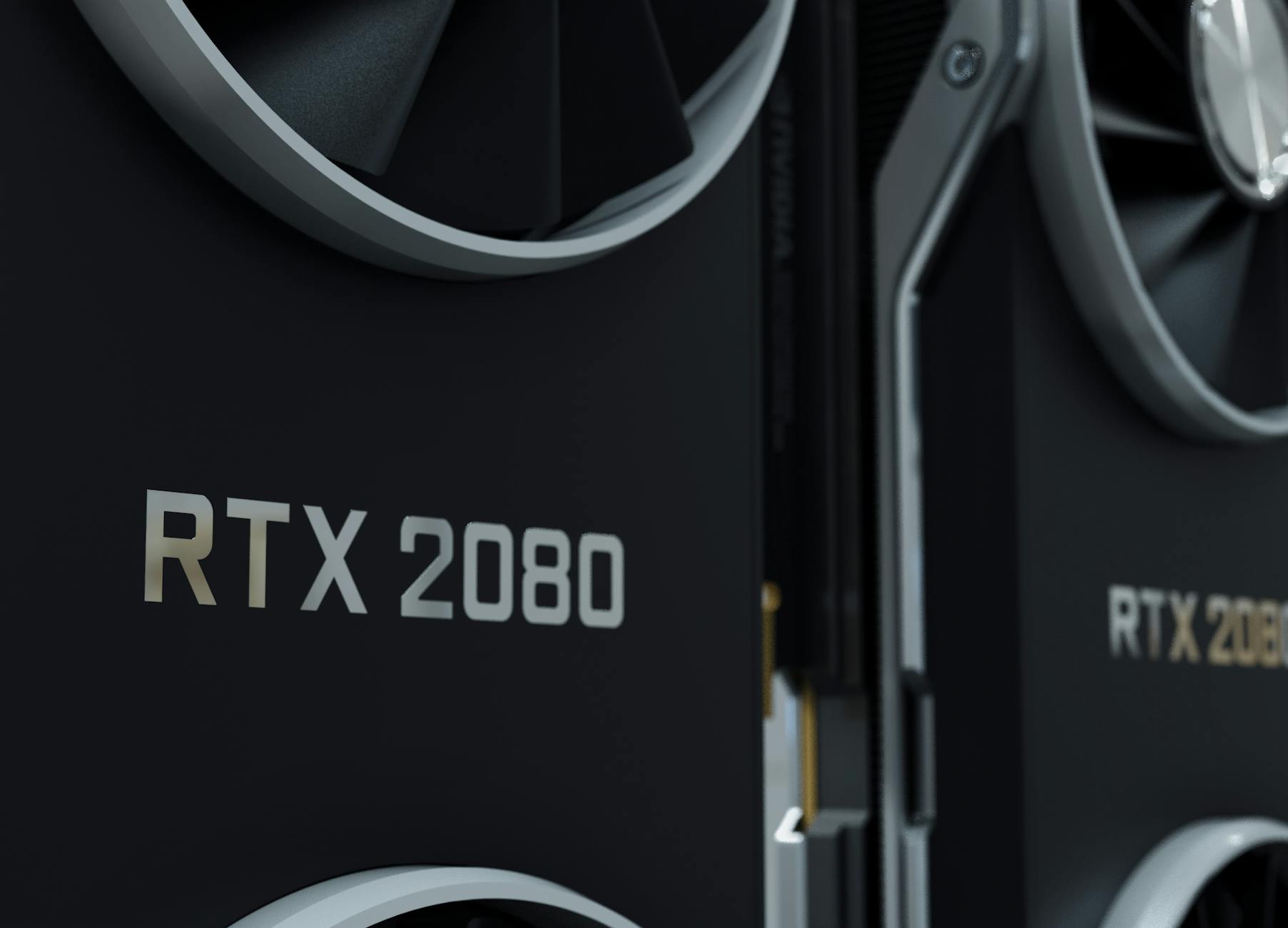
PC players can push frame rates well beyond the console’s 60fps cap. High-end systems with RTX 4080 or better graphics cards achieve consistent 120fps at 1440p resolution with maximum settings enabled. The game scales impressively across different hardware configurations, maintaining stable performance even on mid-range setups.
Ray tracing implementation adds substantial visual depth to reflections and global illumination. Water surfaces in the Mythril Mines reflect character animations with realistic accuracy, while sunlight filtering through Costa del Sol’s palm trees creates convincing shadow patterns. These enhancements require significant GPU power but transform the game’s already impressive art direction.
Loading times drop dramatically on NVMe SSD storage. Fast travel between regions that took 15-20 seconds on PlayStation 5 now completes in under 5 seconds on high-speed PC drives. This improvement makes exploring the massive open-world areas more seamless and reduces interruption during story progression.
Visual Fidelity Reaches New Heights
The PC version supports resolutions up to 4K with DLSS 3 frame generation on compatible Nvidia hardware. Character facial animations during cutscenes show remarkable detail at higher resolutions. Aerith’s expressions during emotional story moments display subtle muscle movements that were less visible on console versions.
Environmental draw distance extends significantly beyond console limitations. Standing atop the Junon cliffs reveals distant landmarks and terrain features that appeared as low-detail textures on PlayStation hardware. The sprawling Grasslands region showcases this improvement most dramatically, with wildlife and vegetation visible across vast distances.
Particle effects receive substantial upgrades in combat scenarios. Magic spells like Firaga and Thundaga display more individual particle elements, creating more convincing elemental damage effects. Summon animations for creatures like Ifrit and Shiva include additional visual layers that enhance their spectacular appearances during boss battles.
Control and Interface Refinements
Mouse and keyboard controls translate surprisingly well for a game designed around controller input. Combat targeting feels precise with mouse aiming, though some players may prefer gamepad input for character movement during exploration segments. The interface scales properly across different monitor sizes, maintaining readability on ultrawide displays.
Menu navigation benefits from keyboard shortcuts not available in console versions. Inventory management, materia fusion, and weapon upgrades become more efficient with direct key bindings. These quality-of-life improvements reduce time spent in menus and maintain gameplay momentum during extended sessions.
Audio mixing receives attention in the PC port with support for high-fidelity headphones and surround sound systems. The orchestral soundtrack composed by Nobuo Uematsu and others showcases enhanced dynamic range through quality audio equipment. Combat sound effects layer more distinctly, helping players distinguish between different attack types during chaotic battle sequences.
Technical Challenges and Stability
Despite overall improvements, some technical issues persist from the console launch. Occasional texture streaming problems cause brief visual pop-in during rapid scene transitions. These instances are less frequent than on PlayStation but still occur when moving quickly through dense environmental areas.
Memory usage can spike during extended play sessions, particularly in areas with complex geometry like the Golden Saucer entertainment district. Players with 16GB system RAM report occasional stuttering after several hours of continuous play. Restarting the application typically resolves these performance hiccups.
Mod support remains limited compared to other Square Enix PC releases. The game’s file structure restricts easy texture replacement or gameplay modifications that enhanced previous Final Fantasy PC ports. Community modders are reportedly working on tools to expand customization options.
The Definitive Gaming Experience
Final Fantasy VII Rebirth’s PC port establishes itself as the premium way to experience this massive JRPG adventure. Technical improvements enhance every aspect from combat fluidity to story presentation without compromising the core gameplay that made the console version successful. Players seeking the most visually impressive version will find their expectations met and exceeded.
The performance scalability ensures accessibility across different PC configurations while rewarding high-end hardware with substantial visual upgrades. As Square Enix continues supporting the PC platform with major releases, Rebirth demonstrates their commitment to delivering quality ports that justify the extended development time.
Future updates may address remaining technical concerns while adding features that take advantage of PC-specific capabilities. The foundation established here suggests Final Fantasy VII’s concluding chapter will receive similar treatment when it eventually reaches PC platforms.
Frequently Asked Questions
What are the PC system requirements for FF7 Rebirth?
The game requires at least an RTX 3060 or equivalent GPU, 16GB RAM, and NVMe SSD for optimal performance at 1440p resolution.
Does FF7 Rebirth PC support ray tracing?
Yes, the PC version includes ray tracing for reflections and global illumination, significantly enhancing visual quality on compatible hardware.