Gaming accessibility has evolved from an afterthought to a core design principle, with console manufacturers racing to implement features that open their platforms to players with disabilities. Microsoft leads the charge with the Xbox Adaptive Controller, while Sony and Nintendo follow with their own innovative solutions that prove inclusive gaming isn’t just good ethics – it’s good business.
The shift represents more than corporate goodwill. With over 46 million gamers with disabilities in the United States alone, accessibility features unlock massive market potential while creating better experiences for all players. What started as niche modifications has become mainstream technology that benefits everyone from seasoned gamers to newcomers picking up their first controller.
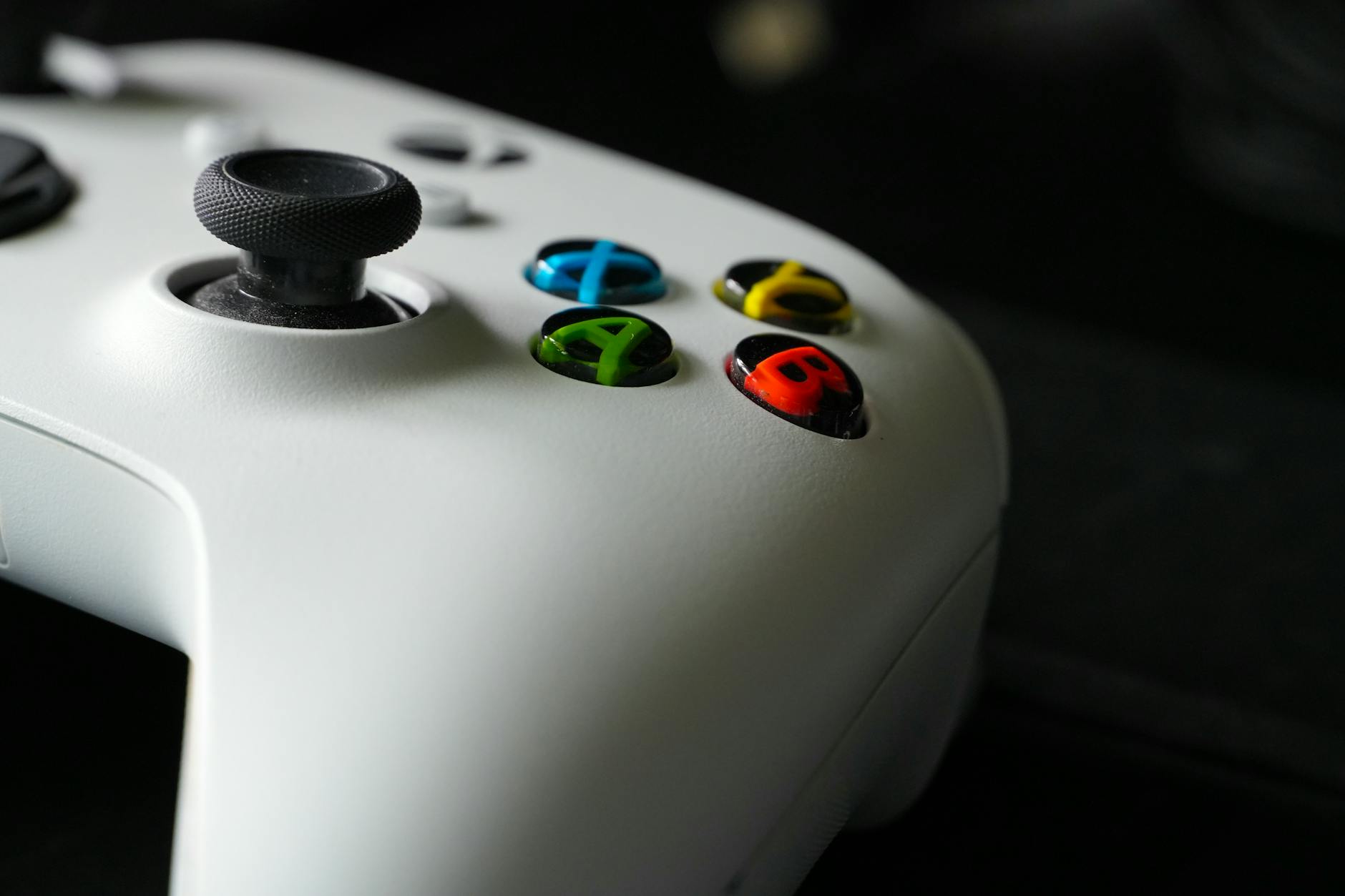
Microsoft’s Revolutionary Xbox Adaptive Controller
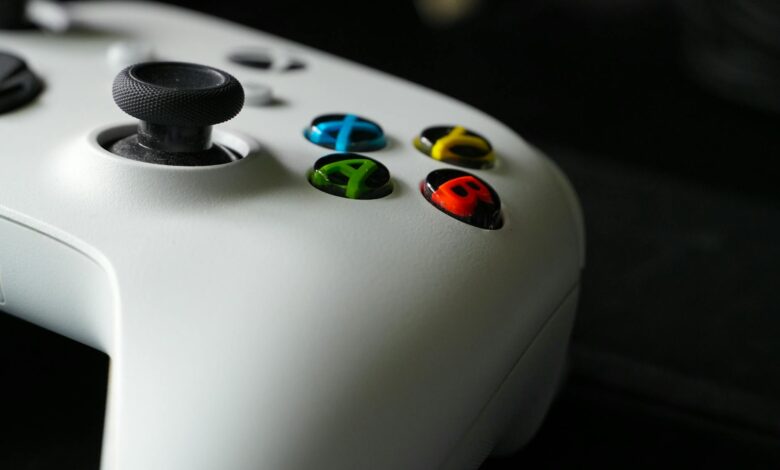
Microsoft transformed gaming accessibility with the Xbox Adaptive Controller, launched in 2018 after extensive collaboration with disability advocacy groups and specialized organizations like The AbleGamers Charity. The device features large programmable buttons, multiple input ports for external switches, and compatibility with existing assistive technologies that players already own.
The controller’s modular design allows complete customization. Players can connect foot pedals, sip-and-puff switches, or any assistive device that uses a 3.5mm plug or USB connection. Microsoft priced the controller at $99 – notably lower than many specialized accessibility devices – making it accessible to more players who need these adaptations.
Beyond hardware, Xbox has integrated copilot functionality that allows two controllers to act as one, enabling friends or family members to assist with gameplay. The system also supports remapping any controller input to different buttons, creating personalized control schemes for players with limited mobility or dexterity challenges.
Microsoft’s commitment extends to software partnerships. Games like Forza Horizon 5 include extensive accessibility options developed specifically for the Xbox ecosystem, including audio cues for blind players and customizable difficulty settings that don’t compromise the core gaming experience.
Sony’s PlayStation Accessibility Initiatives
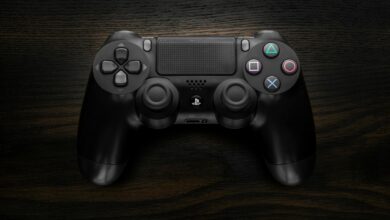
Sony has approached accessibility through software innovation and strategic partnerships rather than releasing specialized hardware like Microsoft’s Adaptive Controller. The PlayStation 5 includes system-level features that benefit players with various disabilities, building on accessibility improvements introduced with the PS4.
The DualSense controller’s haptic feedback serves multiple accessibility functions. The precise vibration patterns can provide audio information through touch, helping deaf and hard-of-hearing players feel explosions, footsteps, or environmental cues. Sony has worked with developers to ensure these haptic signals convey meaningful gameplay information rather than just generic rumble effects.
PlayStation’s user interface includes comprehensive customization options for visual accessibility. Players can adjust text size, contrast ratios, and color schemes throughout the system interface. The console supports screen readers for blind players, with voice guidance available for menu navigation and system functions.
Sony partnered with specialized developers to create games like The Last of Us Part II, which received widespread recognition for its accessibility features including detailed audio descriptions, high contrast modes, and motor accessibility options. These partnerships have influenced other PlayStation exclusives to incorporate similar features during development rather than as afterthoughts.

Nintendo’s Unique Approach to Inclusive Design
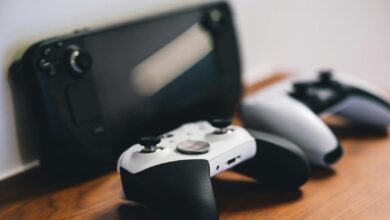
Nintendo has taken a different path, focusing on intuitive design and alternative control methods that naturally accommodate different abilities. The Nintendo Switch’s modular controller design inadvertently created accessibility benefits, with Joy-Con controllers small enough for players with limited hand mobility to use comfortably.
The company’s motion control heritage, dating back to the original Wii, continues benefiting players who struggle with traditional button inputs. Games like Ring Fit Adventure offer full-body gameplay that can be adapted for wheelchair users or players with different mobility levels, while maintaining the core exercise experience.
Nintendo’s approach emphasizes universal design principles – creating products that work for the widest possible range of users without requiring specialized adaptations. The Switch Lite’s fixed design addresses some players’ needs for a lighter, more stable gaming device, while the standard Switch’s flexibility accommodates various play styles and physical requirements.
The company has also embraced community-driven accessibility solutions. Third-party manufacturers create Nintendo-licensed accessible controllers, while the modding community develops software solutions that Nintendo tolerates or occasionally incorporates into official updates.
Industry-Wide Standards and Future Developments
All three console manufacturers now participate in industry accessibility initiatives and standards development. The Gaming Accessibility Guidelines, developed by accessibility advocates and industry professionals, provide frameworks that console makers use to evaluate and improve their platforms’ inclusive design.
Cross-platform compatibility has become crucial for accessibility. Players who invest in expensive adaptive equipment need assurance that their tools will work across multiple gaming systems. Microsoft’s Xbox Adaptive Controller works with PC gaming, while third-party solutions increasingly support multiple console formats.
Cloud gaming services offered by all major console manufacturers provide additional accessibility benefits. Services like Xbox Cloud Gaming, PlayStation Now, and Nintendo Switch Online eliminate the need for precise button timing in some games, while offering the flexibility to play on devices that better accommodate individual needs.
The rise of modern game file sizes has created unexpected accessibility challenges, as players with slower internet connections or data caps face barriers to accessing new games and updates. Console makers are addressing this through better compression and optional download components.

Console accessibility features will likely expand beyond physical disabilities to address cognitive and sensory processing differences. Machine learning could personalize game difficulty and interface elements based on individual player needs, while improved voice recognition might replace traditional input methods entirely.
The gaming industry’s accessibility transformation reflects broader technological shifts toward inclusive design. As console gaming continues attracting casual players, accessibility features benefit not just players with disabilities but anyone seeking more comfortable, customizable gaming experiences. The next generation of consoles will likely treat accessibility as a fundamental feature rather than an add-on, creating gaming experiences that truly welcome everyone to play.
Frequently Asked Questions
What is the Xbox Adaptive Controller and how much does it cost?
Microsoft’s Xbox Adaptive Controller is a $99 device with large programmable buttons and ports for external assistive devices, designed for gamers with disabilities.
Do PlayStation and Nintendo have accessibility controllers like Xbox?
Sony focuses on software accessibility features and partnerships, while Nintendo emphasizes universal design principles rather than specialized hardware controllers.