High-end gaming PCs are getting hotter than ever. AMD’s latest Ryzen processors and NVIDIA’s RTX 4090 graphics cards push thermal limits that traditional air cooling simply cannot handle. Custom loop water cooling has evolved from an enthusiast hobby into a necessity for serious gamers who want maximum performance without thermal throttling.
The shift is dramatic. Where once a premium air cooler like the Noctua NH-D15 could handle flagship CPUs, modern processors routinely hit temperature limits that force them to reduce performance. Custom liquid cooling loops have become the solution that unlocks the true potential of today’s most powerful gaming hardware.
Why Air Coolers Are Hitting Their Physical Limits
Air cooling works on a simple principle: metal fins absorb heat from processors and fans blow air across them to dissipate that heat. This system has worked well for decades, but it faces fundamental physics problems with modern hardware.
Today’s CPUs and GPUs generate significantly more heat in smaller spaces. AMD’s Ryzen 7000 series processors can draw over 200 watts of power, while NVIDIA’s RTX 4090 consumes up to 450 watts. The heat density in these chips exceeds what air cooling can effectively manage, especially in compact gaming builds.
Air coolers also face clearance issues. High-performance air coolers like the be quiet! Dark Rock Pro 4 or Cooler Master Hyper 212 require substantial space around the CPU socket. This limits memory compatibility and case selection. Many users discover their chosen air cooler interferes with tall RAM modules or doesn’t fit their preferred case.
The noise factor has become equally problematic. To move enough air for adequate cooling, fans must spin faster and louder. Gaming sessions that push hardware to its limits often result in fan noise that drowns out game audio or becomes distracting during streaming.
Summer gaming presents additional challenges. As detailed in our recent analysis of AMD Ryzen 7000 overheating issues, ambient temperatures significantly impact air cooling effectiveness. What works in winter may fail during hot summer months.
Custom Loop Advantages Beyond Temperature Control
Custom water cooling loops offer advantages that extend far beyond simple temperature reduction. The thermal capacity of liquid coolant allows for more consistent temperatures under varying loads. While an air cooler might see temperature spikes during intense gaming moments, liquid cooling provides steady thermal performance.
Performance scaling becomes more predictable with custom loops. Modern CPUs and GPUs use boost algorithms that increase clock speeds when temperatures allow. Effective liquid cooling keeps components in optimal temperature ranges longer, maintaining higher boost clocks for extended periods. This translates directly into better gaming performance and higher frame rates.
Custom loops also enable overclocking headroom that air cooling cannot match. Enthusiasts routinely achieve CPU overclocks 10-15% higher with liquid cooling compared to premium air coolers. For competitive gamers or content creators who need every bit of performance, this difference is significant.
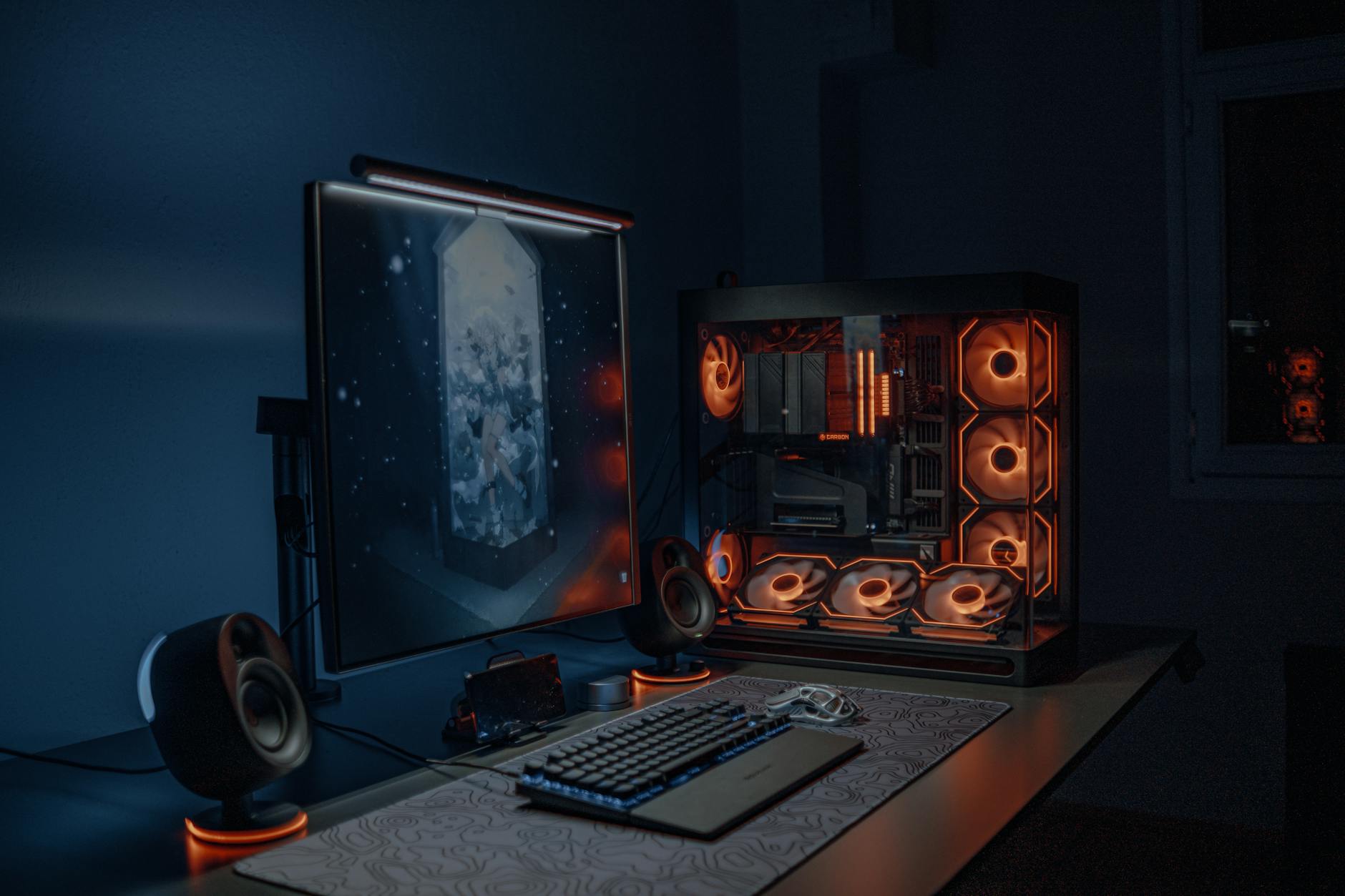
The aesthetic appeal cannot be ignored either. Custom loops with colored coolant, RGB lighting, and visible tubing have become centerpieces of high-end gaming builds. Tempered glass cases showcase these cooling systems as functional art, appealing to gamers who want their PCs to look as impressive as they perform.
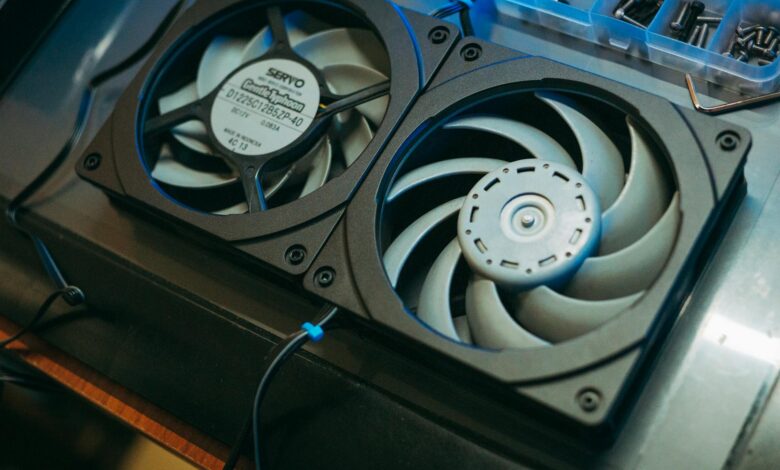
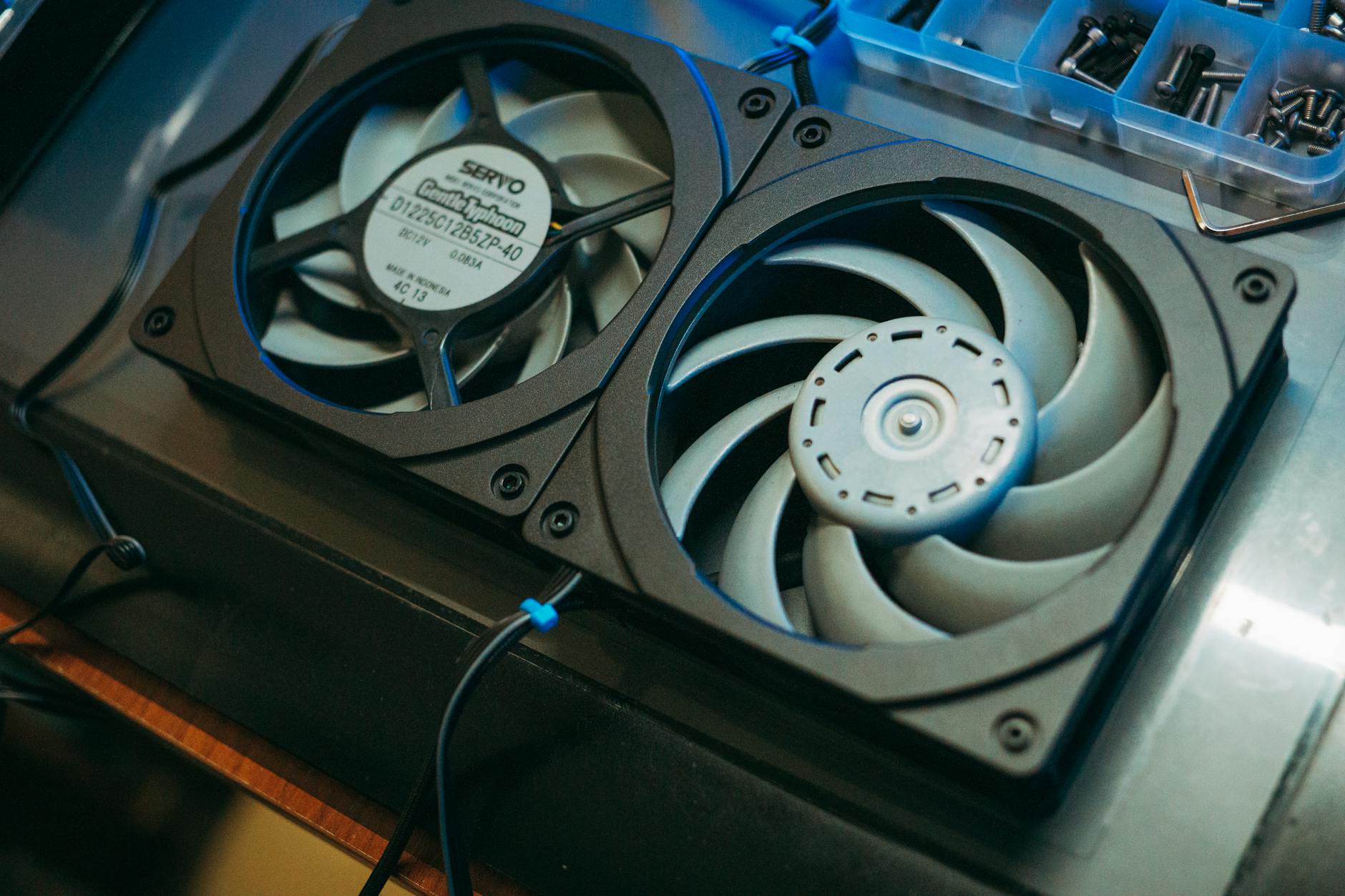
Noise levels drop dramatically with quality liquid cooling. Radiator fans can run at lower speeds while achieving better cooling performance than air cooler fans running at maximum RPM. The result is a quieter gaming experience without compromising thermal performance.
Real-World Performance Gains in Gaming
The performance benefits of custom liquid cooling become apparent in demanding gaming scenarios. Testing with games like Cyberpunk 2077 with ray tracing enabled shows measurable differences between air and liquid cooling solutions.
High-end graphics cards like those compared in our RTX 4070 vs RX 7800 XT ray tracing analysis benefit significantly from lower operating temperatures. GPU boost algorithms maintain higher clock speeds when temperatures remain below thermal limits, resulting in 5-10% performance improvements in thermally demanding games.
CPU-intensive games show even more dramatic benefits. Strategy games, simulation titles, and multiplayer games with high player counts often stress processors in ways that cause thermal throttling with air cooling. Custom loops maintain consistent performance throughout extended gaming sessions.
Content creation workflows see substantial improvements as well. Streaming while gaming, video rendering, and multi-tasking scenarios generate sustained high thermal loads that custom cooling handles more effectively than air alternatives.
The longevity benefits are equally important. Components running at lower temperatures experience less thermal stress over their lifetime. While difficult to quantify precisely, reduced operating temperatures theoretically extend hardware lifespan and maintain peak performance longer.
Market Response and Industry Adoption
The cooling industry has responded to these demands with more accessible custom loop components. Companies like EK Water Blocks, Corsair, and Thermaltake now offer comprehensive starter kits that simplify custom loop installation. Pre-bent tubing, quick-disconnect fittings, and detailed installation guides have reduced the complexity barrier.
Pricing has become more reasonable as well. A complete custom loop cooling a high-end CPU and GPU can be built for $300-500, compared to $800-1000 just a few years ago. While still more expensive than premium air cooling, the performance benefits justify the investment for serious gamers.
Pre-built gaming PC manufacturers have taken notice. Companies like Origin PC, Falcon Northwest, and iBUYPOWER now offer custom liquid cooling as standard or premium options on their flagship gaming systems. This mainstream adoption signals the technology’s maturation beyond enthusiast circles.
The future points toward even greater liquid cooling adoption. As processors become more powerful and heat-dense, the performance gap between air and liquid cooling will likely widen. Intel’s upcoming processors and NVIDIA’s next-generation graphics cards are expected to push thermal envelopes even further.
Custom loop water cooling represents more than just a cooling upgrade – it’s become essential infrastructure for maximizing modern gaming hardware performance. As components continue pushing thermal limits, liquid cooling transitions from luxury to necessity for serious PC gamers who demand peak performance.
Frequently Asked Questions
Is custom loop water cooling worth the extra cost?
For high-end gaming builds with powerful CPUs and GPUs, custom loops provide significant temperature and performance benefits that justify the investment.
How difficult is installing a custom water cooling loop?
Modern starter kits with pre-bent tubing and detailed guides have simplified installation, though it still requires more time than air coolers.