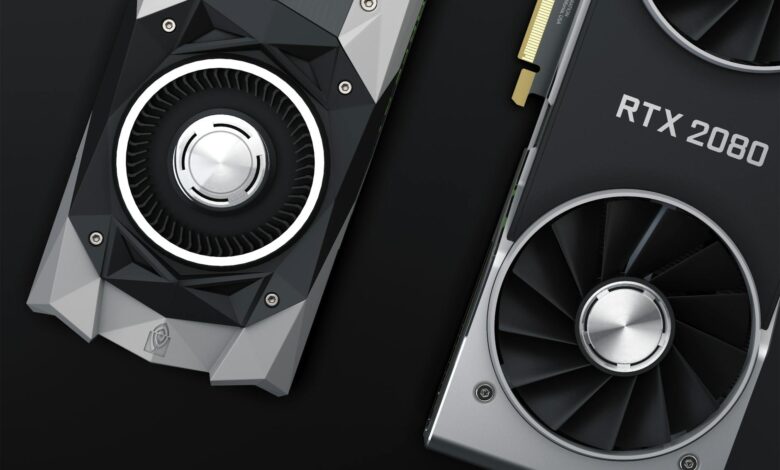
NVIDIA’s latest frame generation technology promises unprecedented performance gains for PC gamers, while AMD’s competing solution takes a different approach to achieving smooth gameplay. Both technologies represent significant advances in upscaling, but they deliver results through fundamentally different methods that impact everything from image quality to hardware compatibility.
The battle between DLSS and FSR has intensified with each generation, affecting millions of gamers who demand maximum performance without sacrificing visual fidelity. Understanding how these technologies stack up helps determine which graphics cards and gaming setups deliver the best bang for your buck in today’s demanding AAA titles.
Frame Generation Technology Breakdown
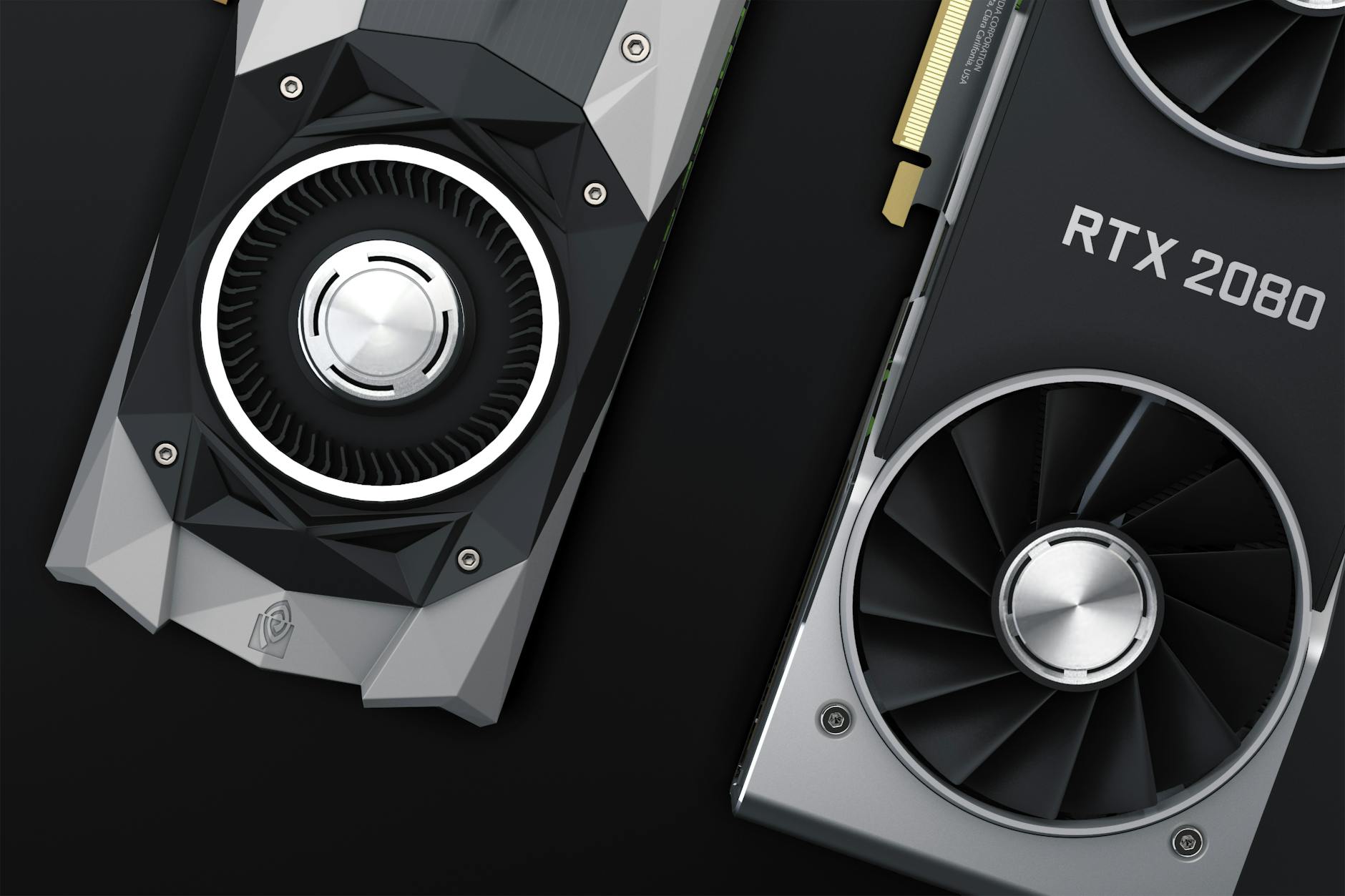
DLSS 4 Frame Generation builds upon NVIDIA’s AI-driven foundation, utilizing dedicated tensor cores to analyze motion vectors and generate intermediate frames between traditionally rendered ones. This approach allows supported RTX cards to effectively multiply frame rates by inserting AI-generated frames that maintain visual continuity with minimal artifacts.
The technology works by examining consecutive frames to predict motion paths for objects, lighting changes, and camera movement. NVIDIA’s neural networks, trained on thousands of gaming scenarios, generate these intermediate frames with remarkable accuracy. This process happens in real-time on the GPU’s specialized AI hardware, avoiding the CPU bottlenecks that plagued earlier frame interpolation attempts.
FSR 4 takes a more traditional approach, focusing on temporal upscaling combined with motion vector prediction. AMD’s solution works across a broader range of hardware, including older graphics cards and even some integrated solutions. Rather than relying on dedicated AI cores, FSR 4 uses conventional GPU compute units to analyze frame data and generate upscaled output.
The key difference lies in implementation complexity and hardware requirements. DLSS 4 demands RTX-series cards with tensor cores, while FSR 4 maintains AMD’s commitment to open-source compatibility across multiple GPU vendors. This philosophical divide creates distinct performance characteristics and adoption patterns across different gaming scenarios.
Performance Metrics and Real-World Testing
Gaming performance varies significantly between the two technologies depending on the specific title and hardware configuration. DLSS 4 typically delivers higher frame rate improvements in supported games, with users reporting performance gains ranging from 60% to over 100% in demanding titles like Cyberpunk 2077 and Alan Wake 2.
FSR 4 generally provides more modest but consistent improvements across a wider variety of games. The technology focuses on delivering stable performance increases between 30% and 70%, with particular strength in maintaining consistent frame times during intensive gaming sessions. This approach appeals to gamers who prioritize smooth gameplay over peak frame rates.
Memory usage patterns differ substantially between the technologies. DLSS 4’s AI processing requires additional VRAM allocation for neural network operations, which can impact performance on cards with limited memory buffers. FSR 4’s more traditional approach uses less dedicated memory but may require higher base rendering resolutions to achieve comparable visual quality.

Latency considerations become crucial for competitive gaming scenarios. DLSS 4’s frame generation adds minimal input lag due to efficient tensor core processing, while FSR 4’s computational approach can introduce slightly more noticeable delays. However, both technologies have made significant strides in reducing latency compared to their predecessors, making them viable for fast-paced multiplayer titles.
The performance gap becomes more pronounced at higher resolutions. DLSS 4 excels at 4K gaming scenarios where the AI-generated frames provide substantial performance benefits without noticeable quality degradation. FSR 4 performs admirably at 1440p and lower resolutions but shows more visible artifacts when pushed to ultra-high-resolution displays.
Image Quality and Visual Artifacts
Visual fidelity represents perhaps the most critical differentiator between these technologies. DLSS 4’s AI-driven approach produces remarkably clean images with minimal ghosting or temporal artifacts. The neural networks excel at preserving fine details during motion, maintaining sharp textures and accurate lighting transitions across generated frames.
FSR 4 has significantly improved image quality compared to previous versions, but still exhibits occasional artifacts in complex scenes. Fast-moving objects may show slight blurring or temporal inconsistencies, particularly in games with complex particle effects or transparent surfaces. However, the technology performs exceptionally well in slower-paced titles and scenarios with more predictable motion patterns.
Anti-aliasing integration affects both technologies differently. DLSS 4 incorporates advanced anti-aliasing as part of its neural network processing, delivering clean edges without additional performance overhead. FSR 4 works best when combined with traditional anti-aliasing solutions, though this combination can impact overall performance depending on the chosen AA method.
Color accuracy and HDR handling showcase both technologies’ maturity. DLSS 4 maintains excellent color reproduction across generated frames, while FSR 4 occasionally shows slight color shifting in HDR content. Both solutions handle standard dynamic range content exceptionally well, making them suitable for the majority of gaming scenarios.
Game-specific optimizations play a crucial role in image quality outcomes. Titles developed with DLSS integration from the ground up typically show superior results compared to games with retrofit support. Similarly, FSR 4 performs best in titles where developers have specifically tuned the implementation for optimal visual quality.
Hardware Compatibility and Adoption
Hardware requirements create the most significant divide between these technologies. DLSS 4 remains exclusive to RTX-series graphics cards, limiting its accessibility to users with older or budget-oriented hardware. This restriction affects adoption rates but ensures consistent performance across supported systems.
FSR 4’s open-source nature enables broader hardware support, including previous-generation AMD cards, Intel Arc GPUs, and even some integrated solutions. This compatibility advantage makes FSR 4 more accessible to budget-conscious gamers and those with mixed-vendor system configurations. The technology’s availability across portable gaming devices like the Steam Deck further expands its reach.
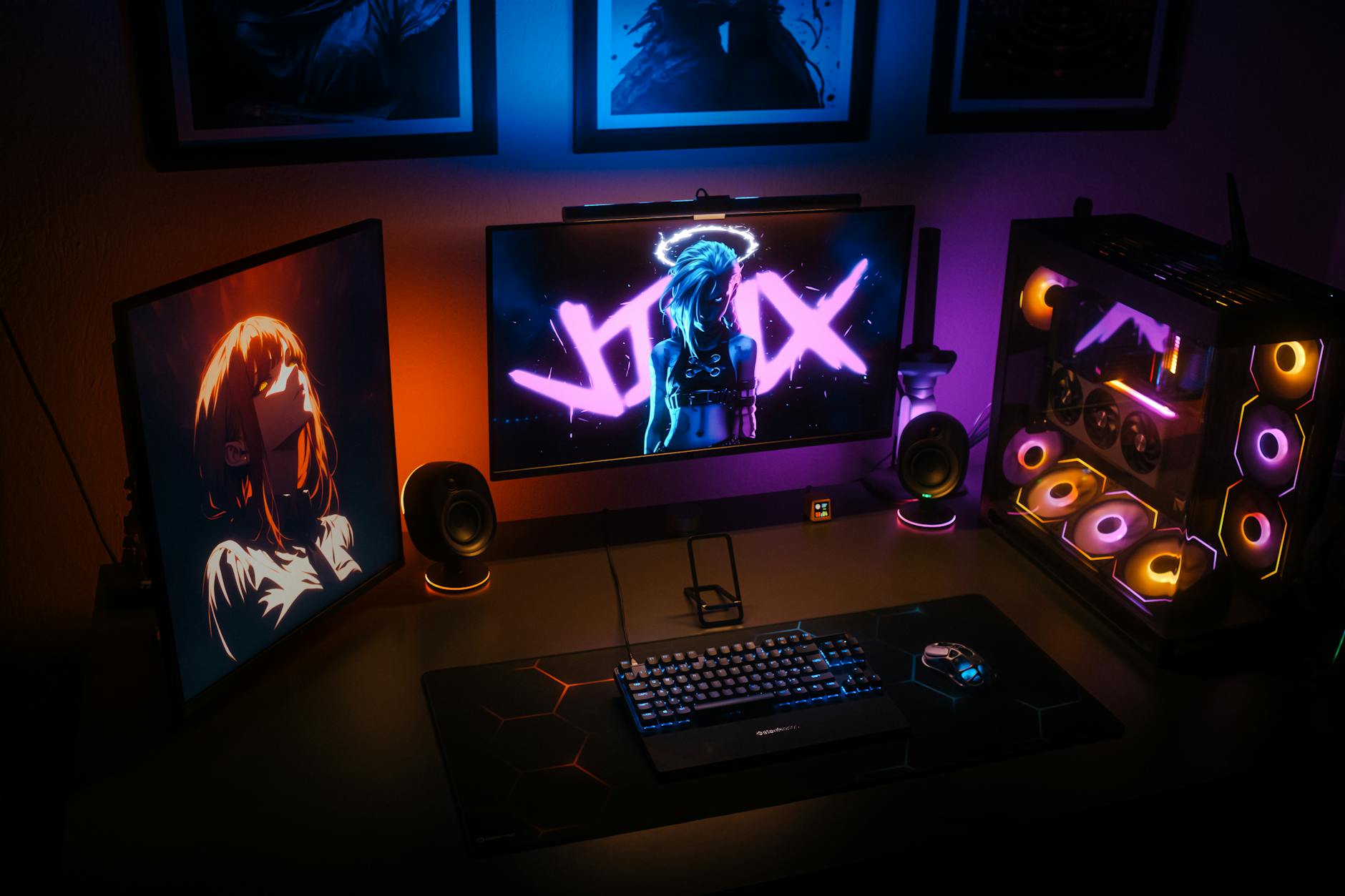
Developer adoption patterns reflect these hardware considerations. Major game studios increasingly implement both technologies to maximize their audience reach. However, DLSS often receives priority attention due to NVIDIA’s extensive developer support programs and established ecosystem partnerships.
Driver support and optimization frequency differ between the technologies. NVIDIA regularly updates DLSS performance through Game Ready drivers, often improving specific titles without requiring game patches. AMD’s FSR updates typically require game-specific patches or engine modifications, though the open-source nature allows for community-driven improvements.
Looking Forward: The Future of Frame Generation
Both technologies continue evolving rapidly, with each new iteration bringing meaningful improvements to performance and image quality. DLSS 4’s AI foundations position it well for future hardware advances, particularly as tensor core capabilities expand across NVIDIA’s product lineup.
FSR 4’s open-source approach ensures continued development and optimization across diverse hardware configurations. AMD’s commitment to cross-vendor compatibility aligns with industry trends toward more standardized graphics technologies, potentially influencing long-term adoption patterns.
The competition between these technologies ultimately benefits PC gamers through accelerated innovation and improved gaming experiences. As both solutions mature, the choice often comes down to existing hardware and specific gaming preferences rather than clear-cut performance advantages.
Future developments in storage technologies like DirectStorage may further enhance both frame generation solutions by reducing data bottlenecks and enabling more sophisticated rendering techniques. This technological convergence promises even better gaming experiences across all hardware tiers.
Frequently Asked Questions
Which offers better performance, DLSS 4 or FSR 4?
DLSS 4 typically provides higher frame rate improvements but requires RTX cards, while FSR 4 offers more modest gains across broader hardware support.
Does FSR 4 work on NVIDIA graphics cards?
Yes, FSR 4’s open-source design works on NVIDIA, AMD, and Intel graphics cards, unlike DLSS 4 which requires RTX-series cards.