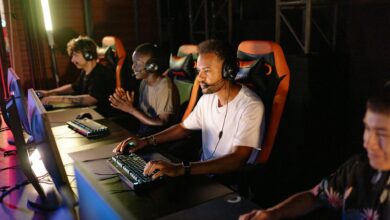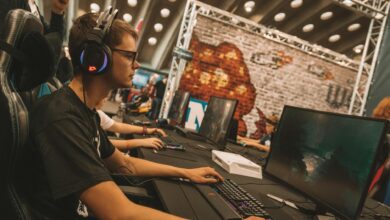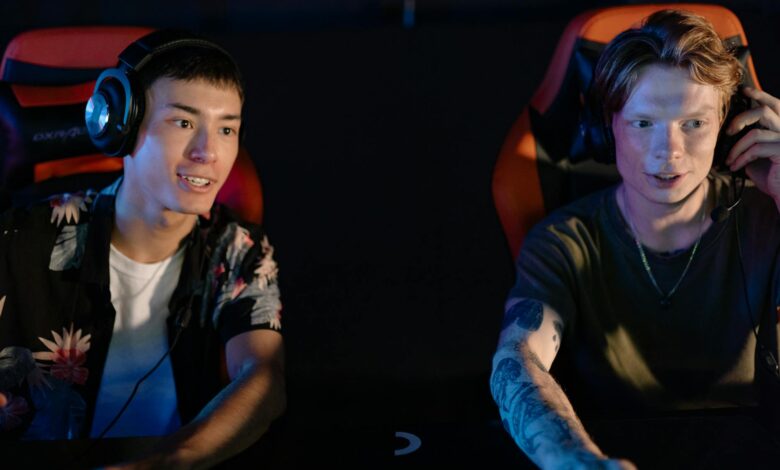
Professional gamers spend up to 16 hours daily perfecting their craft, but the pressure is breaking them. Recent studies show that 87% of esports athletes report symptoms of burnout, while anxiety and depression rates exceed those found in traditional sports. The industry that once dismissed mental health concerns as weakness is now scrambling to address a crisis that threatens careers and lives.
The numbers paint a stark picture. Team Liquid’s former League of Legends player Doublelift publicly discussed his struggles with motivation and mental exhaustion before retiring. Similar stories emerge across every major esports title, from Counter-Strike pros taking extended breaks to Overwatch League players stepping away mid-season. What was once stigmatized as personal failure is now recognized as an occupational hazard requiring systematic solutions.
The Unique Pressures of Competitive Gaming
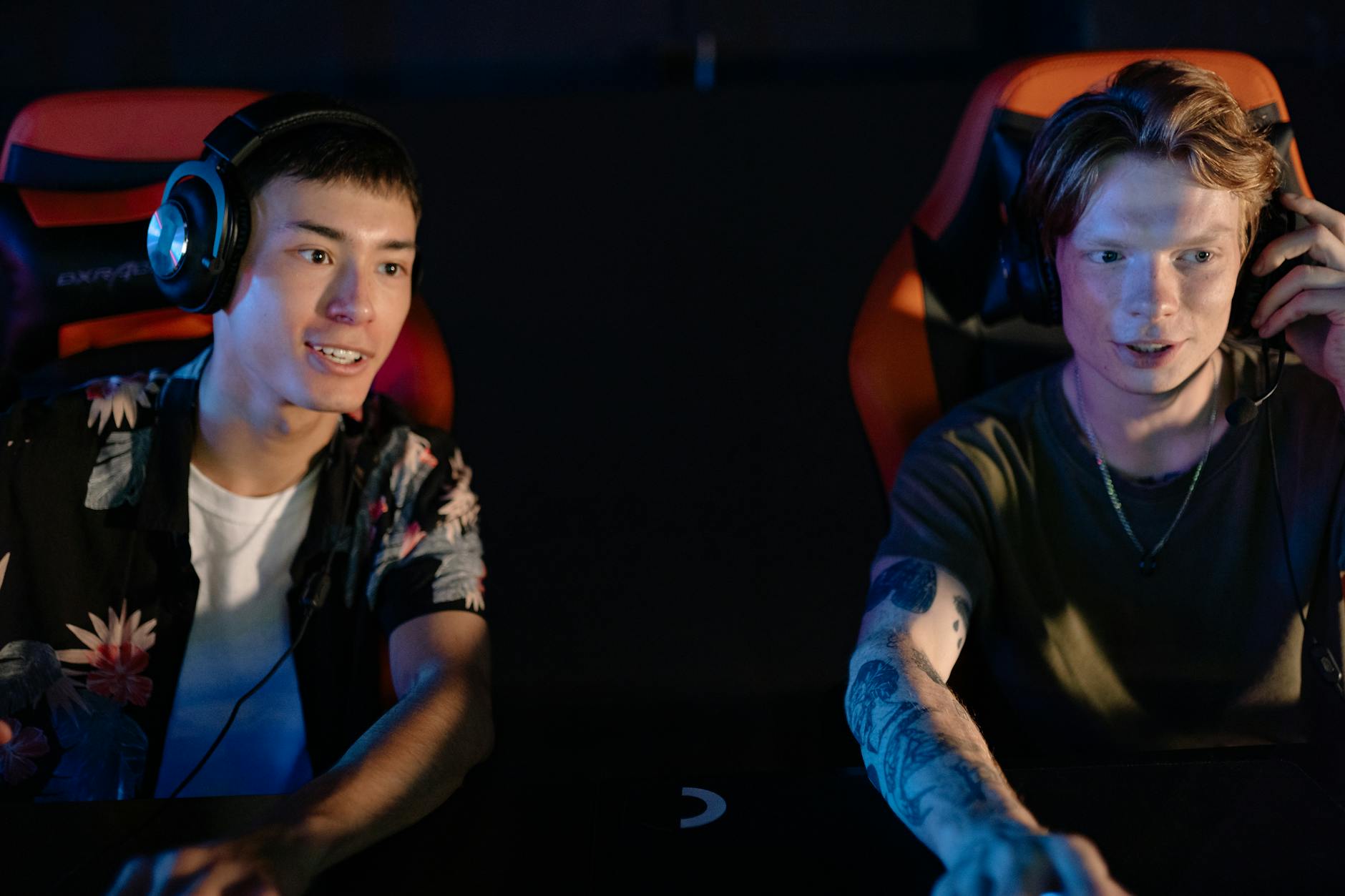
Esports athletes face mental health challenges that differ significantly from traditional sports. The constant scrutiny of live-streamed practice sessions, toxic online communities, and the blurred boundaries between work and leisure create a perfect storm for psychological distress. Unlike basketball players who leave the court, esports professionals often practice, compete, and socialize within the same digital environments.
The career timeline intensifies these pressures. Most professional gamers peak in their late teens or early twenties, creating immense pressure during crucial developmental years. Team SoloMid’s former player Bjergsen spoke candidly about experiencing panic attacks before major tournaments, highlighting how the combination of youth, high stakes, and public pressure can overwhelm even elite performers.
Sleep disruption compounds these issues. Tournament schedules often require players to compete across multiple time zones, while the blue light exposure from extended screen time disrupts natural circadian rhythms. Research from the International Journal of Environmental Research and Public Health found that 73% of professional gamers suffer from irregular sleep patterns, contributing to mood disorders and cognitive decline.
Financial instability adds another layer of stress. While top-tier players earn substantial salaries, the majority of professional gamers face uncertain incomes and short career spans. This economic pressure forces many to continue competing despite clear signs of burnout, creating a cycle where mental health deteriorates alongside performance.
Organizations Implementing Mental Health Programs
Forward-thinking esports organizations are now investing heavily in mental health infrastructure. Cloud9 became one of the first major teams to hire a full-time sports psychologist, Dr. Mia Stellberg, who works with players on stress management, performance anxiety, and career transitions. Their approach includes regular one-on-one sessions, group therapy, and mindfulness training integrated into daily practice routines.
TSM has implemented comprehensive wellness programs that include meditation apps, fitness requirements, and mandatory time off policies. Players must take at least two full days per month away from gaming, with some reporting improved focus and creativity upon return. The organization also provides nutrition counseling and sleep hygiene education, recognizing that mental health extends beyond psychological support.
European organizations like G2 Esports have pioneered peer support networks, pairing veteran players with rookies to provide mentorship and emotional guidance. These programs address the isolation that many young players experience when relocating for team houses, creating support structures that extend beyond professional performance.

The Overwatch League has mandated mental health resources for all teams, requiring organizations to provide access to licensed therapists and implement player wellness protocols. This league-wide approach signals a significant shift in how esports institutions view mental health – from optional support to essential infrastructure.
Professional Athletes Leading the Conversation
High-profile players are increasingly using their platforms to normalize mental health discussions. Former professional Fortnite player Ninja has spoken extensively about managing anxiety during competition, describing techniques for controlling pre-match nerves and maintaining perspective during losing streaks. His openness has encouraged younger players to seek help rather than suffer in silence.
Counter-Strike legend GeT_RiGhT documented his battle with depression and anxiety throughout his career, sharing how therapy and medication helped him perform at the highest level while managing his mental health. His transparency challenged the stigma within competitive gaming communities that viewed psychological support as weakness.
Female esports athletes face additional challenges, including harassment and gender-based discrimination that compounds standard competitive pressures. Players like Geguri from the Overwatch League have advocated for specialized support systems that address these unique stressors, leading to targeted programs within several organizations.
The ripple effect of these conversations extends beyond professional circuits. College esports programs are incorporating mental health resources into their curricula, preparing the next generation of players with coping strategies from the beginning of their competitive journeys.
Innovative Treatment Approaches and Technology
Mental health support in esports is evolving beyond traditional therapy models. Virtual reality exposure therapy helps players manage performance anxiety by simulating high-pressure tournament environments in controlled settings. Teams can practice psychological resilience alongside mechanical skills, preparing for the emotional intensity of major competitions.
Biometric monitoring provides real-time feedback on stress levels during practice and competition. Heart rate variability sensors and cortisol tracking help coaches identify when players approach dangerous levels of stress, enabling proactive interventions before burnout occurs. Several LCS teams now use this technology to optimize training schedules and prevent overexertion.
AI-powered mood tracking applications designed specifically for esports athletes analyze communication patterns, gameplay performance, and sleep data to identify early warning signs of mental health issues. These tools provide objective data that can supplement subjective self-reporting, helping teams make informed decisions about player welfare.
Peer counseling programs trained specifically for gaming culture are proving more effective than traditional counseling approaches. These counselors understand the unique pressures of competitive gaming and can provide relevant, practical advice that resonates with players’ experiences.

The Road Ahead
The esports industry stands at a critical juncture regarding mental health awareness. Organizations that prioritize player wellness are beginning to see competitive advantages, as mentally healthy players demonstrate better decision-making, team communication, and longevity. This correlation suggests that mental health support isn’t just ethically necessary – it’s strategically smart.
Regulatory bodies are considering mandatory mental health standards for professional teams, similar to physical safety requirements in traditional sports. The Esports Integrity Commission has proposed guidelines that would require teams to provide access to mental health professionals and implement wellness monitoring systems.
The next generation of esports infrastructure is being built with mental health as a foundational element rather than an afterthought. New training facilities include dedicated wellness spaces, and team contracts increasingly include mental health clauses that protect players’ psychological well-being alongside their competitive interests.
As esports continues its rapid growth and mainstream adoption, the industry’s approach to mental health will likely influence how society views the relationship between competitive gaming and psychological wellness. The athletes breaking barriers and speaking openly about their struggles aren’t just changing esports – they’re reshaping conversations about mental health in digital-native generations worldwide.
Frequently Asked Questions
What mental health challenges do esports athletes face?
Esports athletes commonly experience burnout, anxiety, depression, sleep disorders, and performance pressure due to long practice hours and constant scrutiny.
How are esports teams addressing mental health?
Teams are hiring sports psychologists, implementing mandatory rest periods, providing therapy access, and using biometric monitoring to track player wellness.