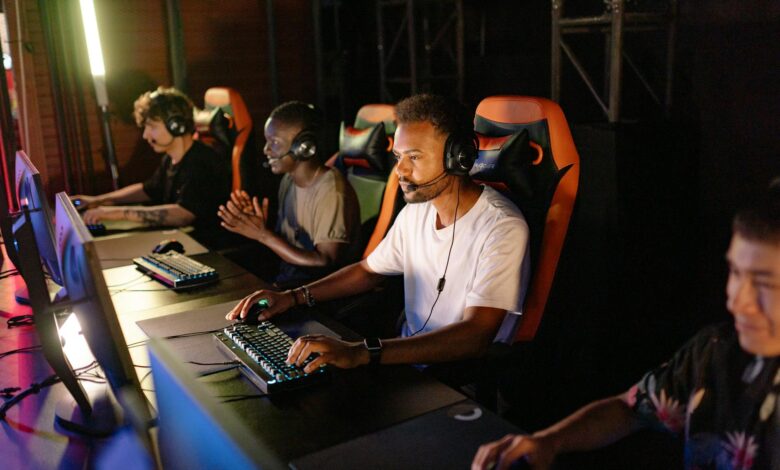
Major automotive companies, beverage giants, and telecommunications providers are now writing million-dollar checks to sponsor mobile esports tournaments featuring games like PUBG Mobile and Call of Duty Mobile. What was once considered a niche digital entertainment category has transformed into a legitimate sports marketing opportunity that rivals traditional athletics in viewership and engagement metrics.
The shift represents a fundamental change in how corporate sponsors view competitive gaming. Mercedes-Benz, Coca-Cola, and Verizon have all recently announced multi-year partnerships with mobile esports organizations, recognizing that these tournaments deliver the young, tech-savvy demographics that traditional sports are struggling to retain.
Mobile gaming tournaments now regularly attract audiences exceeding 100 million viewers during major events, with engagement rates that often surpass traditional sports broadcasts. The accessibility of mobile devices has democratized competitive gaming, allowing players from emerging markets to compete on equal footing with established esports regions.
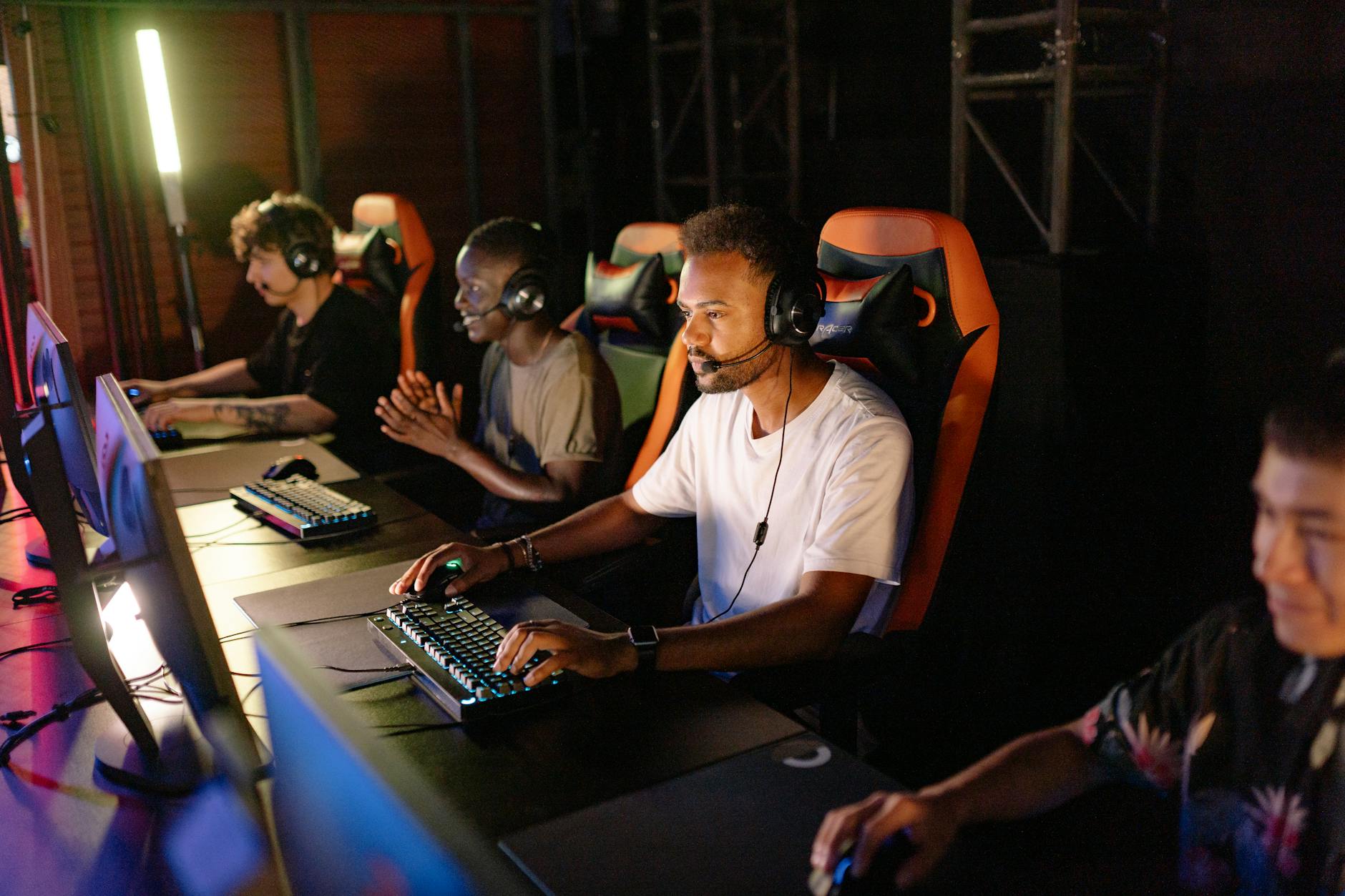
Corporate Giants Recognize the Mobile Gaming Opportunity
Traditional sports sponsors are discovering that mobile esports tournaments offer something conventional athletics cannot: global accessibility and consistent engagement across diverse demographics. BMW’s recent partnership with Garena Free Fire tournaments spans 18 countries, targeting markets where console gaming never gained significant traction but mobile gaming dominates entertainment consumption.
The numbers justify the investment. Mobile esports tournaments generate sustained viewership throughout extended tournament periods, unlike traditional sports which peak during specific seasons or championship games. Sponsors report that mobile gaming audiences demonstrate higher brand recall rates and more positive sentiment toward sponsors compared to traditional sports viewers.
Telecommunications companies have emerged as particularly aggressive mobile esports sponsors. T-Mobile, Vodafone, and other carriers recognize that competitive mobile gaming drives data consumption and showcases network performance in real-time competitive environments. Their sponsorship deals often include infrastructure partnerships that improve tournament streaming quality and reduce latency for competitors.
Demographic Appeal Drives Sponsor Interest
Mobile esports tournaments attract audiences that traditional sports marketing struggles to reach effectively. The demographic skews younger, more diverse, and more globally distributed than conventional sports viewership. Sponsors report that mobile gaming audiences are more likely to engage with brand content, participate in social media campaigns, and convert marketing exposure into actual purchases.
The female viewership percentage for mobile esports significantly exceeds traditional sports, creating opportunities for brands targeting women aged 18-34. Beauty brands, fashion companies, and lifestyle products are beginning to recognize mobile gaming tournaments as viable marketing platforms for reaching female consumers who may not engage with traditional sports content.
Geographic diversity presents another compelling factor for sponsors. Mobile esports tournaments regularly feature competitors and audiences from Southeast Asia, Latin America, India, and Africa – markets where traditional sports sponsorship opportunities may be limited or expensive. Brands can achieve global exposure through single tournament sponsorships rather than negotiating separate deals across multiple regions.
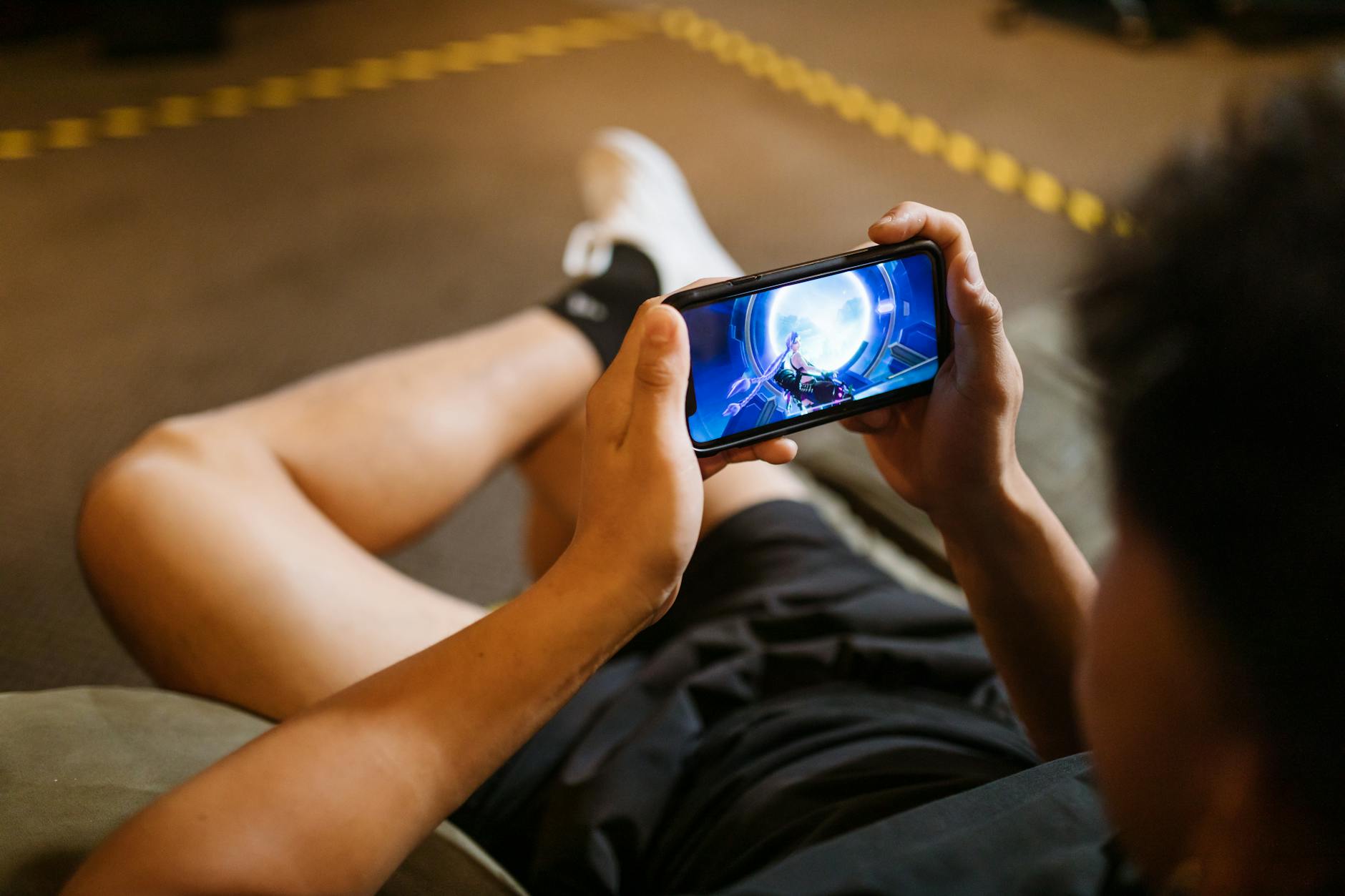
Revenue Models Evolve Beyond Traditional Advertising
Mobile esports sponsorships are developing sophisticated integration strategies that extend far beyond traditional logo placement and commercial breaks. Sponsors are creating in-game content, custom tournament modes, and interactive viewer experiences that blur the lines between advertising and entertainment.
Energy drink companies have pioneered branded tournament formats where sponsor products appear as in-game items or power-ups during competitive matches. Fashion brands are designing exclusive character skins and cosmetic items that serve as both marketing tools and revenue generators through direct sales to viewers.
The integration extends to streaming platforms that are reshaping esports broadcasting, where sponsors can purchase interactive ad formats that allow viewers to click through to product information, enter contests, or unlock exclusive content during live tournaments. These engagement metrics provide sponsors with immediate feedback on campaign effectiveness.
Banking and financial services companies are experimenting with tournament prize distribution partnerships, where sponsors handle payment processing for winner payouts while gaining exposure to financially active gaming demographics. These partnerships create practical value for tournament organizers while providing sponsors with direct interaction opportunities.
Infrastructure Partnerships Create Competitive Advantages
Beyond traditional sponsorship models, some companies are investing directly in mobile esports infrastructure. Cloud computing providers are partnering with tournament organizers to ensure stable server performance during high-stakes competitions. These partnerships reduce technical issues that can damage tournament credibility while showcasing sponsor technical capabilities.
Hardware manufacturers are developing mobile gaming accessories specifically designed for competitive play, then sponsoring tournaments to demonstrate product performance under pressure. Gaming phone manufacturers, controller producers, and audio equipment companies are creating integrated sponsorship deals that combine product placement with performance validation.
The infrastructure approach extends to venue partnerships, where sponsors help establish dedicated mobile gaming competition spaces in major cities. These facilities serve dual purposes as tournament venues and permanent marketing installations that reinforce sponsor brand presence year-round.
Tournament organizers report that infrastructure sponsors often provide more stable, long-term partnership value compared to traditional advertising sponsors. The technical nature of these partnerships creates switching costs that encourage multi-year commitments and deeper integration between sponsor capabilities and tournament operations.
The mobile esports sponsorship landscape continues expanding as traditional sports face scheduling disruptions and declining youth viewership. Industry analysts project that mobile gaming tournament sponsorship revenue will exceed $2 billion globally within three years, driven primarily by companies transitioning marketing budgets from conventional sports to digital competitive gaming.
Corporate sponsors are recognizing that mobile esports tournaments represent not just alternative marketing channels, but fundamental shifts in how younger consumers engage with competitive entertainment. The accessibility, global reach, and consistent engagement metrics of mobile gaming create sponsorship opportunities that traditional sports cannot replicate in an increasingly digital entertainment landscape.
Frequently Asked Questions
Why are traditional sports sponsors interested in mobile esports?
Mobile esports tournaments offer global accessibility, younger demographics, and higher engagement rates than traditional sports.
Which companies are sponsoring mobile gaming tournaments?
Major brands like Mercedes-Benz, BMW, Coca-Cola, T-Mobile, and Verizon have announced significant mobile esports partnerships.