
Mobile gaming has quietly become the financial juggernaut of competitive esports, generating more revenue than PC and console tournaments combined. While traditional esports fans debate the legitimacy of mobile competitions, the numbers tell a different story – one where smartphone-based tournaments are rewriting the economics of competitive gaming.
The shift represents more than just platform preference. Mobile esports tournaments now attract larger audiences, command higher sponsorship deals, and offer more accessible entry points for both players and viewers. This transformation is reshaping how the entire esports industry approaches revenue generation and audience engagement.
Revenue Numbers Paint a Clear Picture
Mobile esports generated approximately 57% of global esports revenue in 2023, according to industry analytics firm Newzoo. This dominance stems from several factors that traditional PC and console tournaments struggle to match.
Tournament organizers report significantly lower operational costs for mobile events. Players require minimal equipment – essentially just their smartphones and stable internet connections. Venue requirements shrink dramatically when competitors don’t need high-end gaming PCs, monitors, and peripherals. These reduced overhead costs translate directly into higher profit margins for organizers and larger prize pools for players.
Sponsorship deals reflect this economic reality. Major brands increasingly target mobile esports partnerships over traditional gaming sponsorships. Companies like Samsung, Qualcomm, and telecom giants see mobile tournaments as direct marketing opportunities to showcase device capabilities and network performance to engaged audiences.
The accessibility factor cannot be understated. While PC gaming requires significant hardware investments, mobile gaming democratizes competitive participation. Players in emerging markets, where high-end gaming PCs remain prohibitively expensive, can compete at the highest levels using devices they already own.
Audience Engagement Drives Revenue Growth
Mobile esports tournaments consistently outperform PC and console competitions in viewership metrics. The 2023 Mobile Legends World Championship peaked at over 5 million concurrent viewers, surpassing many traditional esports finals.
This audience engagement translates into advertising revenue streams that dwarf traditional gaming tournaments. Mobile viewers typically engage across multiple platforms simultaneously – watching tournaments while participating in companion apps, social media discussions, and real-time betting platforms. This multi-screen behavior creates numerous monetization opportunities that tournament organizers leverage aggressively.
Streaming platforms report higher engagement rates for mobile esports content. Viewers spend more time watching mobile tournaments, share content more frequently, and participate in chat interactions at higher rates. These engagement metrics command premium advertising rates from brands seeking active, participatory audiences rather than passive viewers.

The global reach of mobile tournaments also expands revenue potential beyond traditional gaming markets. Countries across Southeast Asia, Latin America, and Africa contribute significant viewership and spending to mobile esports ecosystems. These regions, previously underserved by PC-centric tournaments due to infrastructure limitations, now represent some of the fastest-growing revenue segments.
Ecosystem Integration Creates Multiple Revenue Streams
Mobile esports benefits from deep integration with existing mobile gaming ecosystems. Unlike traditional esports, where tournament revenue remains largely separate from game revenue, mobile competitions drive direct in-game spending that benefits both developers and tournament organizers.
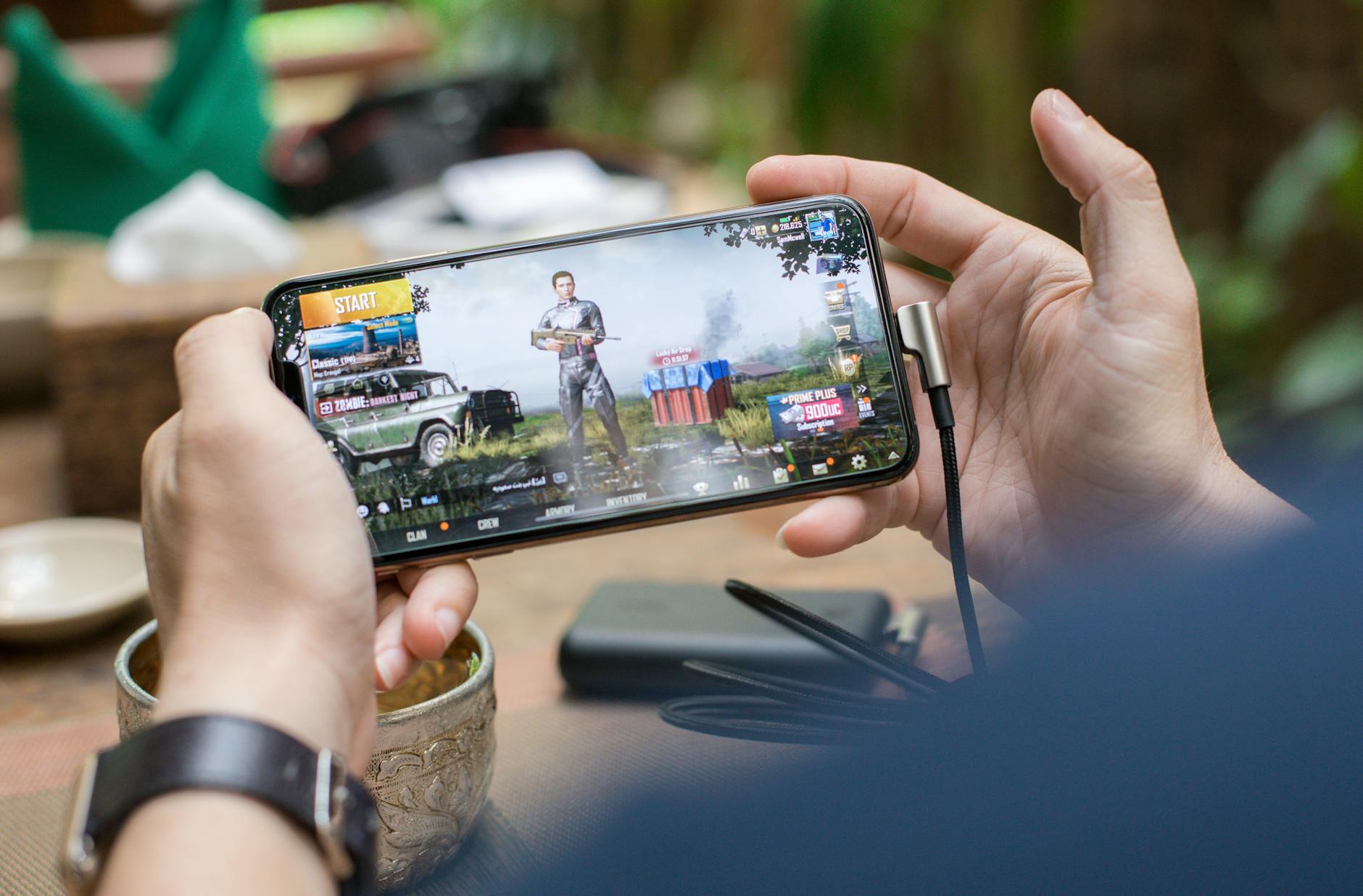
Games like PUBG Mobile, Free Fire, and Mobile Legends generate revenue through tournament-themed cosmetic items, battle passes, and exclusive content tied to competitive events. Players purchase these items to show support for favorite teams or to access tournament-related features, creating revenue streams that extend far beyond traditional ticket sales and sponsorships.
This ecosystem approach has caught the attention of major game publishers. Riot Games’ expansion of Valorant into mobile esports represents recognition that mobile platforms offer superior monetization opportunities compared to PC-only competitions.
Betting and fantasy sports integration also drives mobile esports revenue growth. Mobile-first betting platforms report higher user engagement and spending on mobile tournament outcomes compared to traditional esports betting. The seamless integration between watching tournaments and placing bets through the same device creates frictionless user experiences that maximize revenue per user.
Infrastructure Advantages Accelerate Growth
Mobile esports tournaments benefit from infrastructure advantages that traditional gaming competitions cannot match. 5G network rollouts globally have eliminated many technical barriers that previously limited mobile competitive gaming quality.
Tournament organizers can host events in locations previously unsuitable for PC gaming competitions. Mobile tournaments require minimal venue preparation – no need for extensive networking infrastructure, high-end computing equipment, or specialized technical staff. This flexibility allows organizers to target markets and venues that maximize revenue while minimizing costs.
The distributed nature of mobile gaming also enables hybrid tournament formats that blend online and offline components seamlessly. Players can participate in qualifying rounds from anywhere while finals take place in premium venues, optimizing both participation rates and production value.

Cloud gaming services integration with mobile esports further reduces barriers to entry. Players no longer need the latest flagship devices to compete at high levels, as cloud processing can handle demanding games on mid-range smartphones. This technological democratization expands the potential player base exponentially.
The Future Financial Landscape
Industry analysts project mobile esports revenue will grow by 25% annually through 2025, significantly outpacing traditional esports growth rates. This trajectory suggests mobile gaming’s dominance in competitive revenue will only strengthen.
Major traditional esports organizations are pivoting strategies to capture mobile revenue opportunities. Teams originally focused on PC games like League of Legends and Counter-Strike now field mobile rosters and dedicate significant resources to mobile tournament participation.
The success of mobile esports is reshaping broader gaming industry investment patterns. Venture capital increasingly flows toward mobile gaming startups and tournament platforms rather than traditional PC gaming companies. This investment shift will likely accelerate mobile esports growth while potentially constraining traditional platform development.
As mobile hardware continues improving and 5G networks expand globally, the competitive quality gap between mobile and PC gaming continues shrinking. Meanwhile, the revenue advantages of mobile esports – lower costs, higher accessibility, broader audiences, and deeper ecosystem integration – remain structural advantages that traditional platforms struggle to match.
Frequently Asked Questions
Why does mobile esports generate more revenue than PC gaming?
Mobile tournaments have lower operational costs, broader global audiences, and integrated monetization through in-game purchases and ecosystem partnerships.
How big is the mobile esports audience compared to traditional gaming?
Mobile esports tournaments consistently achieve higher viewership, with events like Mobile Legends World Championship exceeding 5 million concurrent viewers.