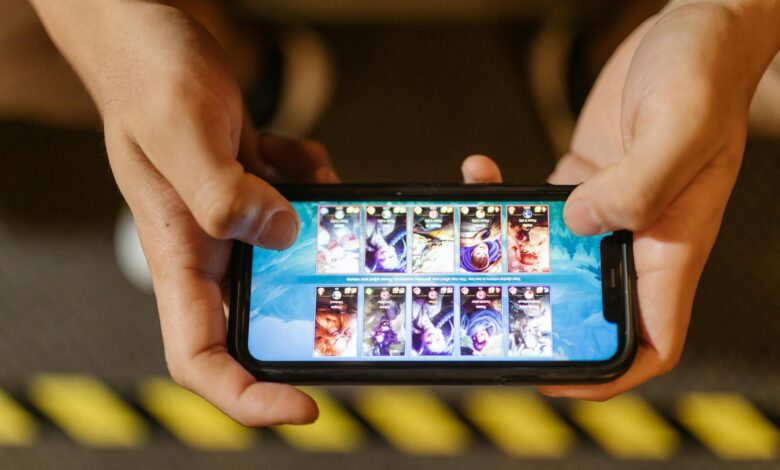
Mobile gaming revenue surpassed console and PC gaming combined in 2023, and Riot Games isn’t sitting on the sidelines. The League of Legends creator has been quietly building Valorant’s mobile presence into what could become the next major competitive gaming phenomenon.
Valorant Mobile launched in select regions throughout 2024, bringing the tactical shooter’s precise gunplay and agent-based strategy to smartphones and tablets. But Riot’s ambitions extend far beyond a simple mobile port – they’re constructing an entirely new esports ecosystem designed specifically for mobile competitive gaming.
The mobile version maintains Valorant’s core five-versus-five tactical gameplay while adapting controls and visual elements for touch screens. Early beta testing in Southeast Asian markets showed promising engagement metrics, with players spending comparable time per session to the PC version.
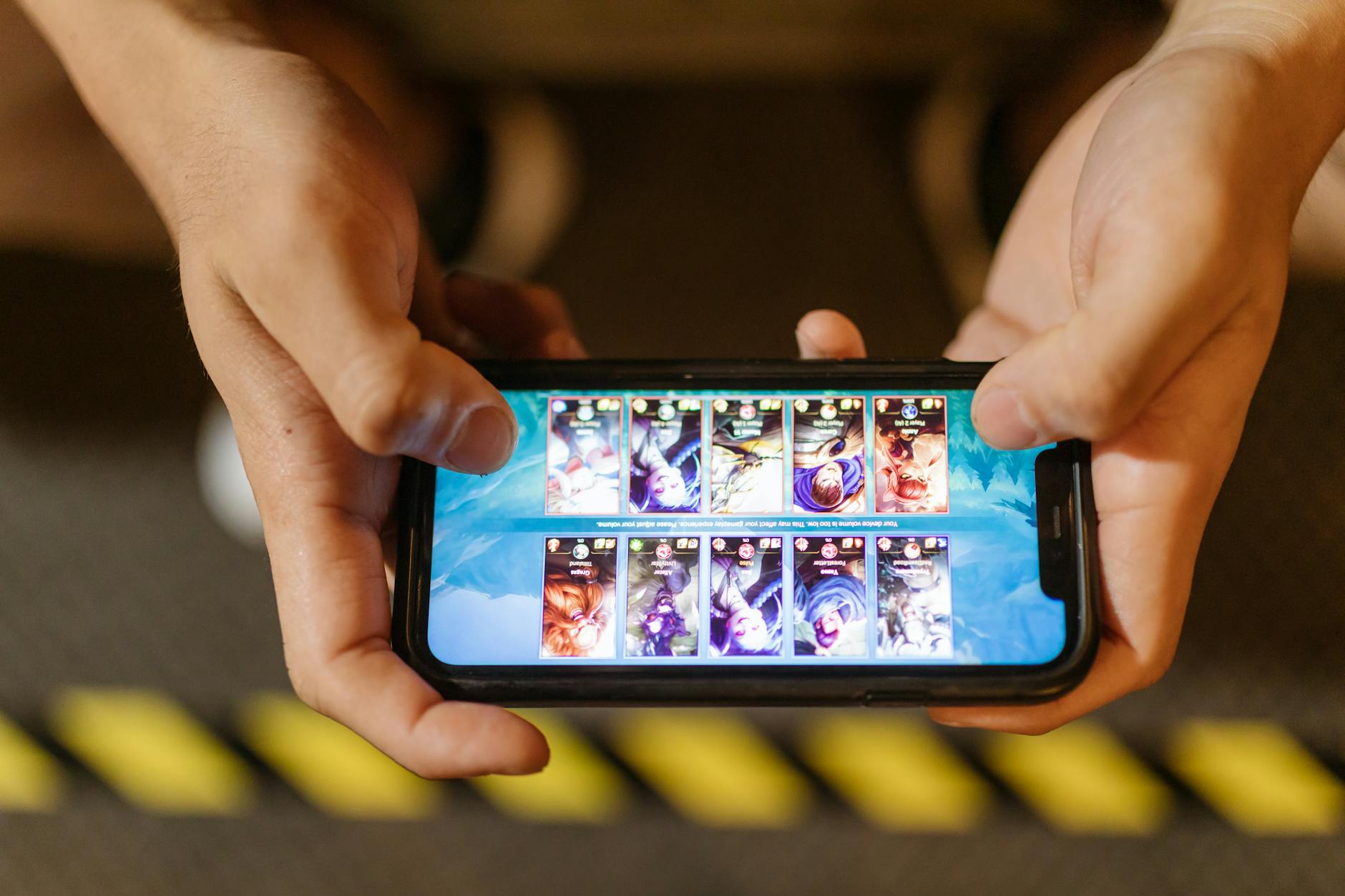
Mobile-First Tournament Structure
Riot’s mobile esports strategy differs significantly from traditional PC tournament formats. Instead of replicating the Valorant Champions Tour structure, they’ve developed regional mobile leagues that accommodate the unique aspects of mobile gaming culture.
The Valorant Mobile Championship Series launched with shorter match formats designed for mobile viewing habits. Matches typically run 45 minutes compared to PC tournaments that can stretch beyond two hours. This condensed format aligns with mobile gaming’s on-the-go nature while maintaining competitive integrity.
Regional tournaments focus heavily on Southeast Asia, Latin America, and parts of Europe where mobile gaming dominates the market. Prize pools start modest but follow Riot’s proven model of gradually increasing stakes as viewership and participation grow. The company learned from League of Legends’ championship success that building sustainable competitive scenes requires patience and consistent investment.
Tournament organizers report that mobile Valorant competitions attract different demographics than PC esports. Female participation rates are notably higher, and the average age skews younger. This demographic shift represents untapped potential for brands and sponsors traditionally focused on PC gaming audiences.
Platform Integration and Cross-Play Considerations
One of Riot’s most controversial decisions involves keeping mobile and PC Valorant competitions completely separate. Unlike games that enable cross-platform play, Valorant Mobile operates as a distinct competitive environment with its own ranking systems and professional circuits.
This separation stems from fundamental differences in input methods and gameplay pace. Mobile players use touch controls and gyroscope aiming, creating different tactical dynamics than mouse and keyboard precision. Riot’s internal testing revealed that mixed lobbies resulted in frustrating experiences for both platform types.
The mobile version features modified maps with adjusted sightlines and positioning opportunities. These changes accommodate touch-screen limitations while preserving the tactical depth that defines Valorant’s competitive appeal. Agents receive ability adjustments specific to mobile gameplay, with some abilities functioning differently to account for control scheme variations.
Professional mobile teams develop entirely different strategic approaches. Communication patterns, timing windows, and positioning concepts all adapt to mobile-specific factors like battery management during long tournaments and varying device performance across different smartphones.
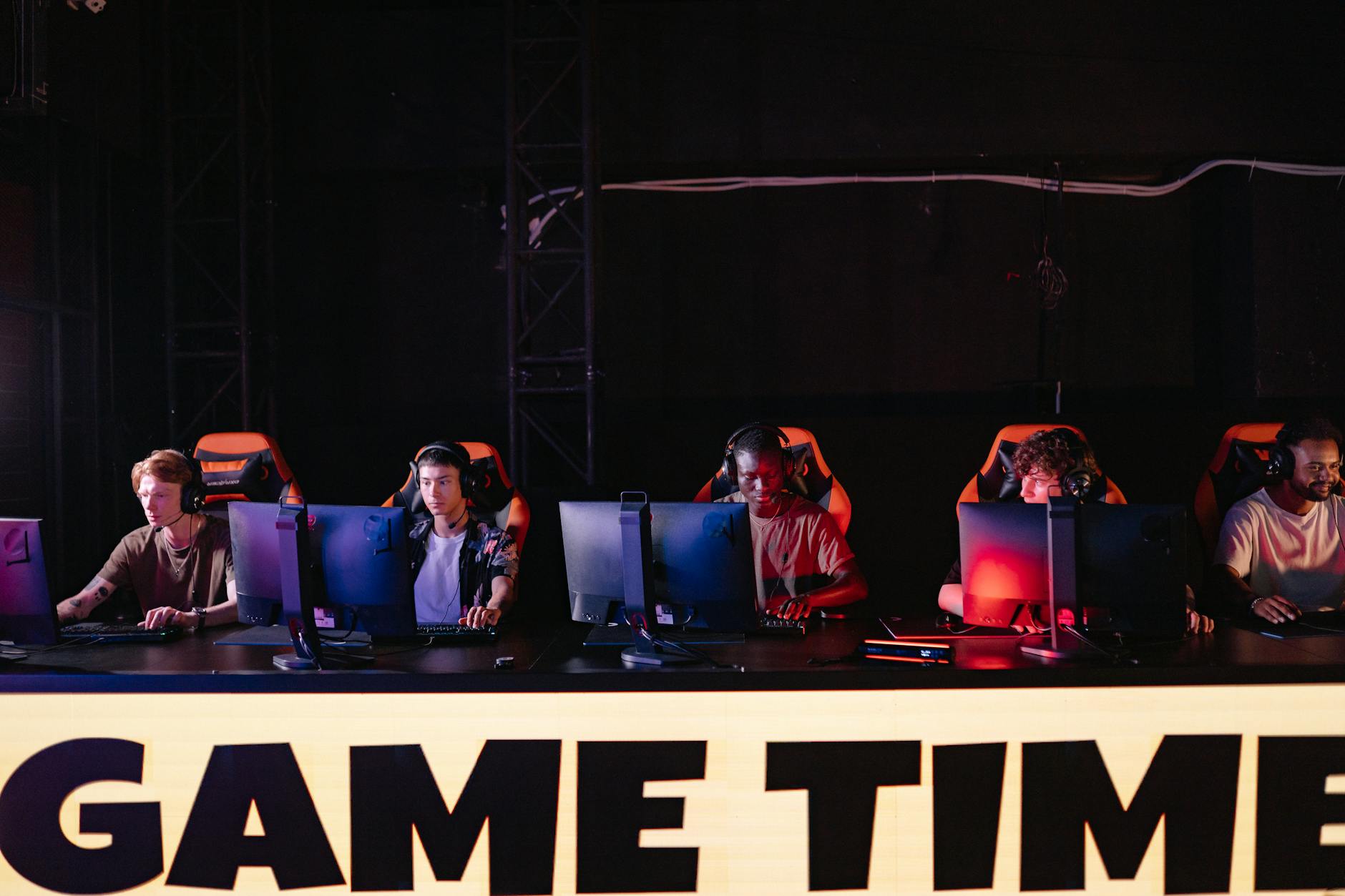
Building the Mobile Esports Infrastructure
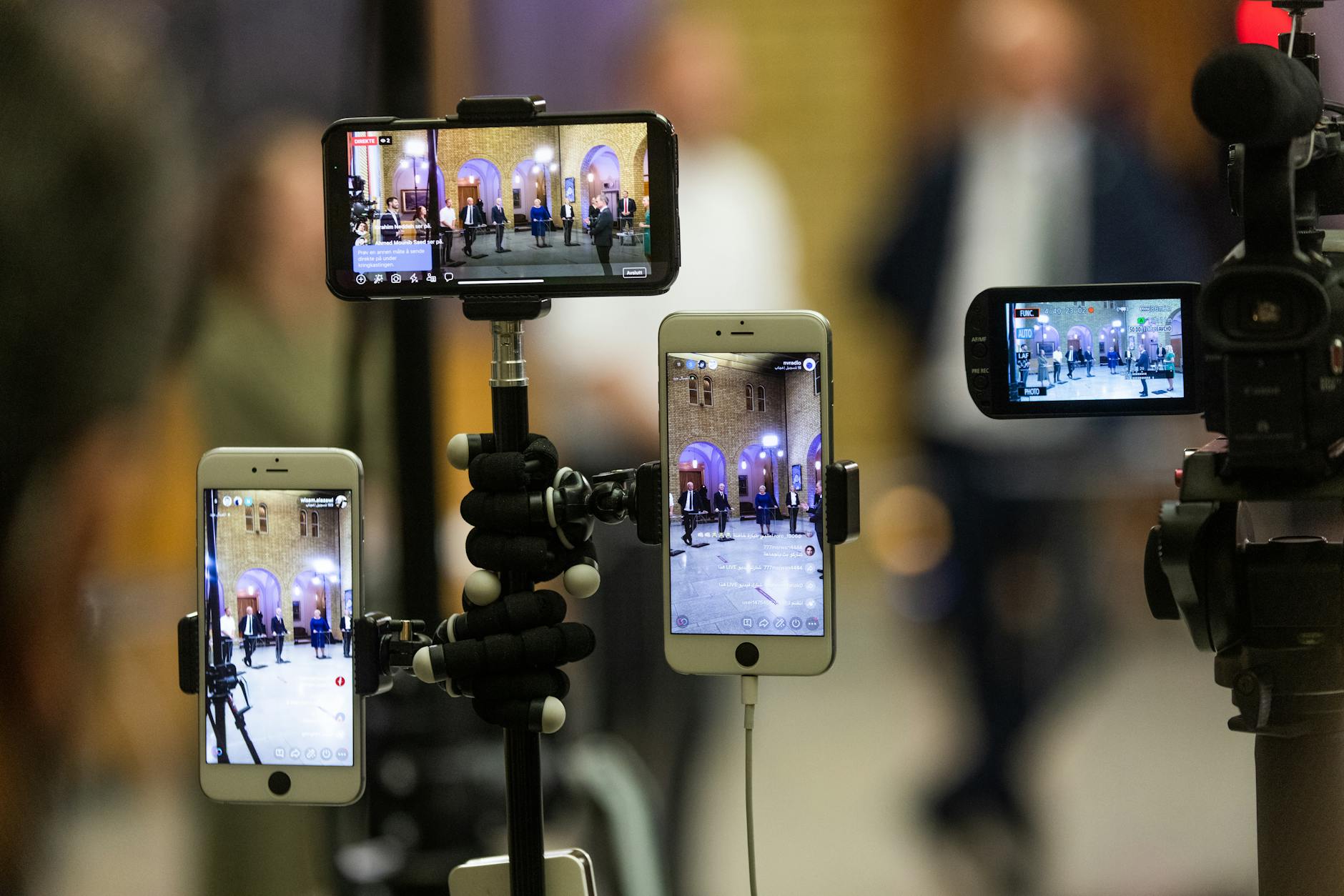
Riot invested heavily in mobile-specific broadcast technology and viewing experiences. Mobile tournaments stream simultaneously across multiple platforms optimized for different screen sizes and internet connection qualities. The production team developed new spectator modes that work effectively on smartphone screens, something traditional PC broadcasts struggle with.
Partnerships with mobile device manufacturers create standardized tournament hardware specifications. Professional players compete on approved devices with consistent performance characteristics, addressing concerns about pay-to-win scenarios where expensive phones provide competitive advantages.
Training facilities specifically designed for mobile esports are emerging in major gaming regions. These centers provide controlled environments where teams can practice with tournament-grade internet connections and standardized devices. The infrastructure investment mirrors early developments in PC esports, suggesting Riot views mobile competition as equally legitimate.
Content creator programs target mobile-first streamers and influencers who understand the platform’s unique culture. These partnerships help build grassroots communities around mobile Valorant competition, creating organic growth that supports professional scene development.
Global Expansion Strategy
Riot’s rollout strategy prioritizes regions where mobile gaming already dominates entertainment consumption. Southeast Asia leads expansion efforts, followed by Latin America and specific European markets with strong mobile gaming cultures.
The company adapted lessons learned from Counter-Strike’s competitive evolution to avoid common pitfalls in mobile esports development. Regional preference differences receive careful attention, with tournament formats and prize distribution methods adjusted for local market expectations.
Localization extends beyond language translation to include cultural considerations around competitive gaming attitudes, viewing habits, and community engagement preferences. Some regions prefer individual streaming personalities while others focus on team-based content creation.
The mobile esports calendar coordinates with PC Valorant events to maximize cross-promotional opportunities without cannibalizing viewership. Major mobile tournaments often coincide with PC season breaks, keeping Valorant content flowing year-round across both platforms.
Riot’s mobile expansion represents a calculated bet on competitive gaming’s future. As smartphone hardware continues improving and global mobile internet infrastructure expands, the distinction between mobile and PC gaming capabilities may blur. By establishing mobile Valorant esports infrastructure now, Riot positions itself to capitalize on this convergence while building entirely new competitive communities.
The success of this mobile strategy could influence how other major publishers approach competitive gaming expansion, potentially reshaping the entire esports landscape around mobile-first design principles.
Frequently Asked Questions
Is Valorant Mobile the same as PC Valorant?
No, mobile version has adapted maps, modified agent abilities, and separate competitive rankings designed specifically for touch controls.
Can mobile and PC Valorant players compete together?
No, Riot keeps mobile and PC competitions completely separate due to different control methods and gameplay dynamics.