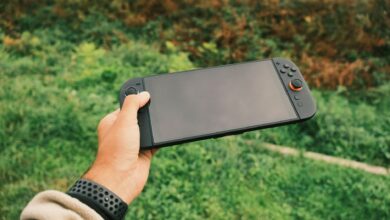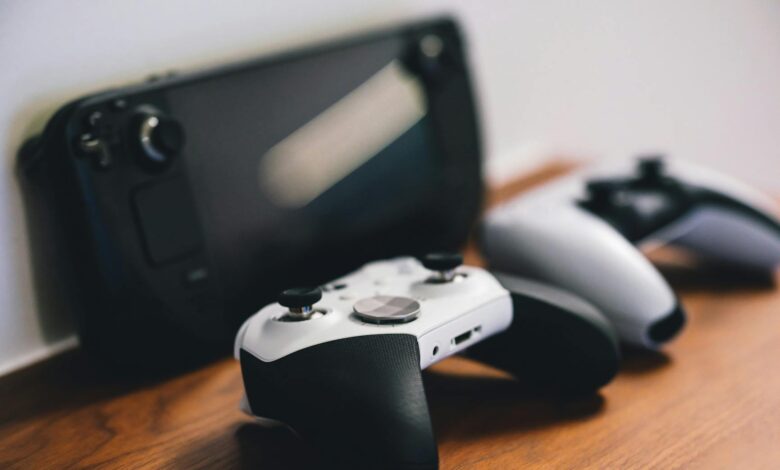
The gaming handheld market has exploded into a full-scale price war, with Valve’s Steam Deck forcing Nintendo’s hand in ways the company hasn’t experienced since the original PlayStation challenged their console dominance in the 1990s. Recent retail data shows Nintendo Switch units moving at unprecedented discount rates across major retailers, marking the first sustained price pressure the hybrid console has faced since its 2017 launch.
The Steam Deck’s impact extends beyond simple competition. By offering PC gaming libraries at handheld prices starting around $400, Valve has fundamentally altered consumer expectations for portable gaming value. Nintendo’s response has been swift but careful, with authorized retailers now regularly offering Switch bundles at $50-75 below MSRP, while the company maintains official pricing to preserve brand positioning.
Steam Deck Performance Metrics Drive Consumer Shift
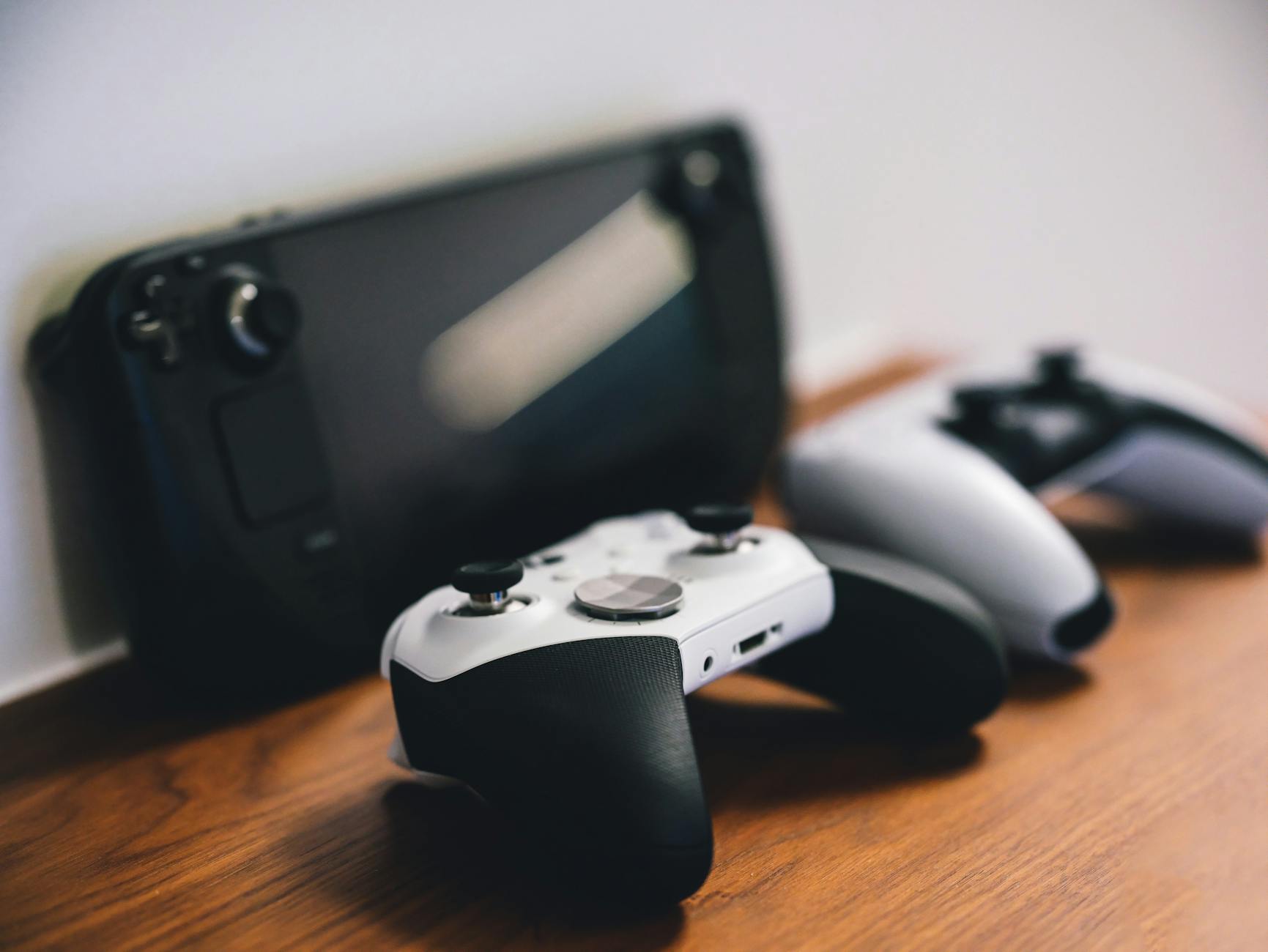
The numbers tell a compelling story about changing handheld preferences. Steam Deck shipments have consistently exceeded analyst projections since late 2022, with Valve reporting delivery times shortened from months to weeks across all models. The device’s ability to run AAA PC titles like Elden Ring and Cyberpunk 2077 at playable framerates has created a new performance benchmark that Nintendo Switch simply cannot match with its aging Tegra X1 chipset.
More significantly, the Steam Deck taps into existing PC game libraries, giving users immediate access to thousands of titles without additional purchases. This value proposition has proven particularly attractive to adult gamers who already maintain Steam accounts. Industry tracking firm Circana reports that Steam Deck buyers average 47 games in their existing libraries at purchase time, compared to Switch buyers who typically start fresh with the platform.
The technical gap continues widening as Valve pushes regular software updates improving compatibility and performance. Recent SteamOS updates have expanded verified game compatibility to over 10,000 titles, while Nintendo Switch continues running the same core hardware configuration from six years ago. This disparity becomes more pronounced as multiplatform games increasingly struggle with Switch ports, often requiring significant visual compromises or delayed release windows.
Retail Response and Market Dynamics
Major retailers have responded to Steam Deck pressure by aggressively promoting Switch inventory through unprecedented bundling strategies. Best Buy, Target, and GameStop now routinely package Switch consoles with games and accessories at combined prices that effectively discount the hardware by 15-20%. These bundles appear designed to maintain Nintendo’s official MSRP while providing real savings to consumers comparing handheld options.
The timing coincides with Nintendo’s typical mid-generation strategy shifts, but the urgency appears driven by competitive pressure rather than natural product cycles. Internal retail sources indicate Switch sell-through rates have softened in key demographics, particularly among core gamers aged 18-35 who represent prime Steam Deck targets. This segment historically drove Nintendo’s most profitable software attach rates, making their retention crucial for long-term platform health.

International markets show even more dramatic pricing adjustments. European retailers have cut Switch prices by up to 100 euros in some regions, while Japanese domestic pricing remains more stable due to strong local brand loyalty. The geographic variation suggests Nintendo is testing market-specific responses to Steam Deck penetration, rather than implementing global pricing strategies.
The broader handheld ecosystem has also shifted around this competition. ASUS ROG Ally and other Windows-based handhelds have entered the market positioning themselves as Steam Deck alternatives, creating a three-way competition that further pressures Nintendo’s premium positioning. Each new entrant reinforces the message that modern handheld gaming should offer PC-level performance and backwards compatibility.
Software Strategy Adaptation
Nintendo’s response extends beyond hardware pricing into software strategy adjustments that acknowledge changing competitive realities. The company has accelerated first-party game releases, with major titles like The Legend of Zelda: Tears of the Kingdom and Super Mario Bros. Wonder launching closer together than typical Nintendo schedules would suggest. This release cadence appears designed to maintain Switch momentum through exclusive content rather than hardware superiority.
Third-party publisher relationships have also evolved under Steam Deck pressure. Nintendo has reportedly offered more favorable licensing terms to secure day-one releases for major multiplatform titles, particularly those that might otherwise skip Switch due to technical limitations. This represents a significant shift from Nintendo’s historically rigid third-party policies.
The Nintendo Switch Online service has expanded rapidly with classic game libraries and online features that compete directly with Steam’s community aspects. Recent additions include Game Boy and Game Boy Advance catalogs, alongside expanded multiplayer support for retro titles. These moves position Nintendo’s subscription offering as a value alternative to Steam’s individual game purchases, though the comparison becomes complex when considering Steam sale pricing.
Similar competitive pressures have affected other major gaming companies, as seen in Microsoft Gaming Division’s recent studio restructuring plans, which partly respond to changing market dynamics in portable and cloud gaming segments.
Future Market Implications
The handheld gaming landscape appears headed toward a permanent multi-tier structure, with Nintendo forced to compete on value rather than dominate through unique positioning. Industry analysts project this pressure will accelerate Nintendo’s next-generation hardware timeline, potentially bringing Switch successor devices to market earlier than traditional console cycles would dictate.
Valve’s success with Steam Deck has also validated the PC handheld concept for other hardware manufacturers. AMD’s Z1 processor series, designed specifically for handheld gaming devices, suggests the component industry expects sustained growth in this category. This ecosystem development will likely maintain downward pressure on Nintendo pricing even as new competitors enter the market.
The implications extend beyond immediate sales figures into fundamental questions about handheld gaming’s future direction. Nintendo’s traditional strength in innovative hardware design faces direct challenge from devices offering raw performance advantages at competitive prices. How the company navigates this transition will likely define portable gaming for the next console generation, with pricing strategies serving as just the opening move in a broader competitive realignment that shows no signs of slowing.
Frequently Asked Questions
Why is Nintendo cutting Switch prices now?
Steam Deck’s success offering PC gaming at competitive prices has created unprecedented pressure on Switch sales and market positioning.
How much are Nintendo Switch discounts?
Retailers are offering bundles effectively discounting Switch hardware by $50-75 while maintaining Nintendo’s official MSRP structure.