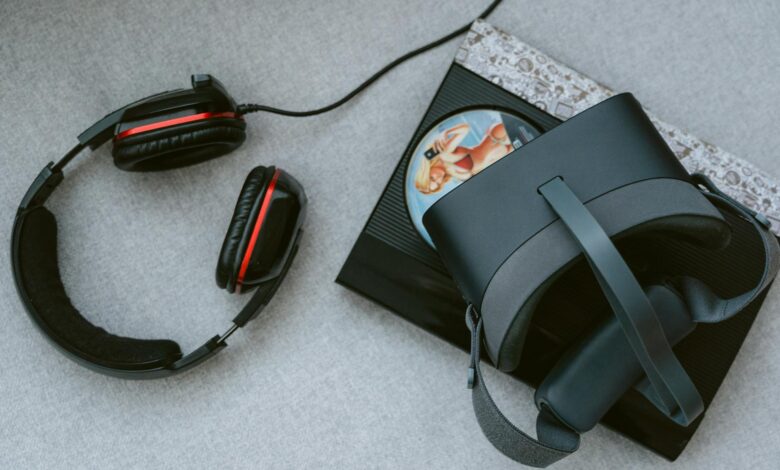
Meta officially ended production of its Quest 2 VR headset this week, marking the conclusion of one of the most successful virtual reality devices in gaming history. The company announced that remaining Quest 2 inventory will continue selling through retailers until supplies are exhausted, with full focus shifting to the Quest 3 and upcoming Quest 3S models.
The Quest 2 launched in October 2020 at $299, becoming a breakthrough device that brought VR gaming to mainstream audiences. Its wireless design, standalone functionality, and accessible price point helped establish Meta as the dominant player in consumer VR, reportedly capturing over 70% of the VR headset market during its peak years.
The Quest 2’s Market Impact
The Quest 2 transformed VR from a niche enthusiast market into a viable gaming platform. Its success stemmed from eliminating the complexity that plagued earlier VR systems – no external sensors, no tangled cables, and no requirement for a powerful gaming PC. Players could simply put on the headset and jump into games like “Beat Saber,” “Resident Evil 4 VR,” and “Half-Life: Alyx” through wireless PC streaming.
Meta’s aggressive pricing strategy proved crucial to the device’s adoption. The company reportedly sold Quest 2 units at a loss, subsidizing hardware costs to build a larger user base for its VR software ecosystem. This approach mirrored successful console strategies from Sony and Microsoft, establishing VR as a legitimate gaming platform rather than an experimental tech demo.
The headset’s timing coincided perfectly with pandemic lockdowns, when consumers sought new entertainment options at home. VR fitness apps, social experiences, and immersive games provided compelling alternatives to traditional entertainment during a period of restricted mobility.
Technical Foundation and Developer Support
Quest 2’s technical specifications balanced performance with affordability. The Qualcomm Snapdragon XR2 processor delivered sufficient power for standalone VR gaming while maintaining reasonable battery life. The 90Hz refresh rate and 1832×1920 per-eye resolution provided a smooth experience that minimized motion sickness – a critical factor for mainstream adoption.
Meta’s Oculus Store ecosystem grew substantially during the Quest 2 era, with developers reporting strong sales for well-optimized titles. The platform’s success attracted major publishers, leading to VR adaptations of popular franchises and original content designed specifically for the medium. The device’s install base gave developers confidence to invest in more ambitious VR projects.
The headset’s PC connectivity through Oculus Link also opened access to SteamVR content, dramatically expanding the available game library. This dual functionality – standalone mobile VR and tethered PC gaming – provided exceptional value and flexibility for users at different experience levels.
Transition to Next Generation
Meta’s decision to discontinue Quest 2 production reflects the natural evolution of its VR hardware strategy. The Quest 3, launched in late 2023, offers significant improvements in processing power, display quality, and mixed reality capabilities. The upcoming Quest 3S reportedly targets the budget-conscious segment that made Quest 2 successful, maintaining an accessible entry point for new VR users.
Industry observers note that discontinuing Quest 2 production allows Meta to streamline manufacturing and focus resources on newer technology. The company continues supporting existing Quest 2 devices with software updates and remains committed to backward compatibility for the installed base.
The transition occurs as the broader gaming industry invests heavily in VR development. While companies like Sony Interactive Entertainment expand their development capabilities, Meta’s established market position provides significant advantages in attracting both developers and consumers to its newer hardware.
Legacy and Future Outlook
The Quest 2’s discontinuation marks the end of an era that established VR as more than a gaming novelty. Its success demonstrated that consumers would embrace VR when the technology offered compelling content at reasonable prices with minimal setup complexity. The device’s four-year production run created a substantial user base that continues driving VR software development and adoption.
Meta’s VR division faces increasing competition from Sony’s PlayStation VR2, Apple’s Vision Pro, and emerging players in the standalone VR space. However, the foundation built by Quest 2’s success – established developer relationships, proven manufacturing capabilities, and brand recognition – positions the company well for the next phase of VR evolution.
The Quest 2’s legacy extends beyond hardware sales to establishing VR gaming as a legitimate entertainment category. Its success paved the way for more ambitious VR projects, broader industry investment, and consumer acceptance of virtual reality as a mainstream gaming platform. As production officially ends, the Quest 2 stands as the device that brought VR gaming from the margins to the mainstream.
Frequently Asked Questions
Will Quest 2 games still work on newer Meta headsets?
Yes, Meta maintains backward compatibility for Quest 2 games on Quest 3 and newer devices.
Can I still buy a Quest 2 headset?
Quest 2 units remain available through retailers until existing inventory is sold out.