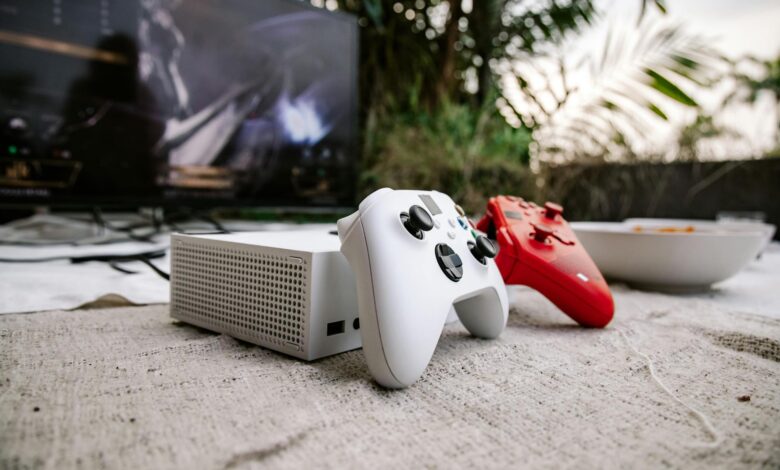
Microsoft has reportedly entered negotiations to acquire a prominent independent VR development studio, signaling the tech giant’s renewed commitment to mixed reality gaming on Xbox platforms. Industry sources suggest the deal could expand Xbox’s virtual reality capabilities significantly, marking a potential shift in Microsoft’s gaming strategy as competitors like Sony continue investing heavily in VR technology.
The acquisition comes as Microsoft faces increasing pressure to compete in the VR gaming space. While the company has maintained a presence in mixed reality through HoloLens and Windows Mixed Reality platforms, Xbox has notably lagged behind PlayStation’s VR initiatives. This strategic move could bridge that gap, bringing dedicated VR expertise directly into Xbox’s development ecosystem.
Strategic Implications for Xbox Gaming
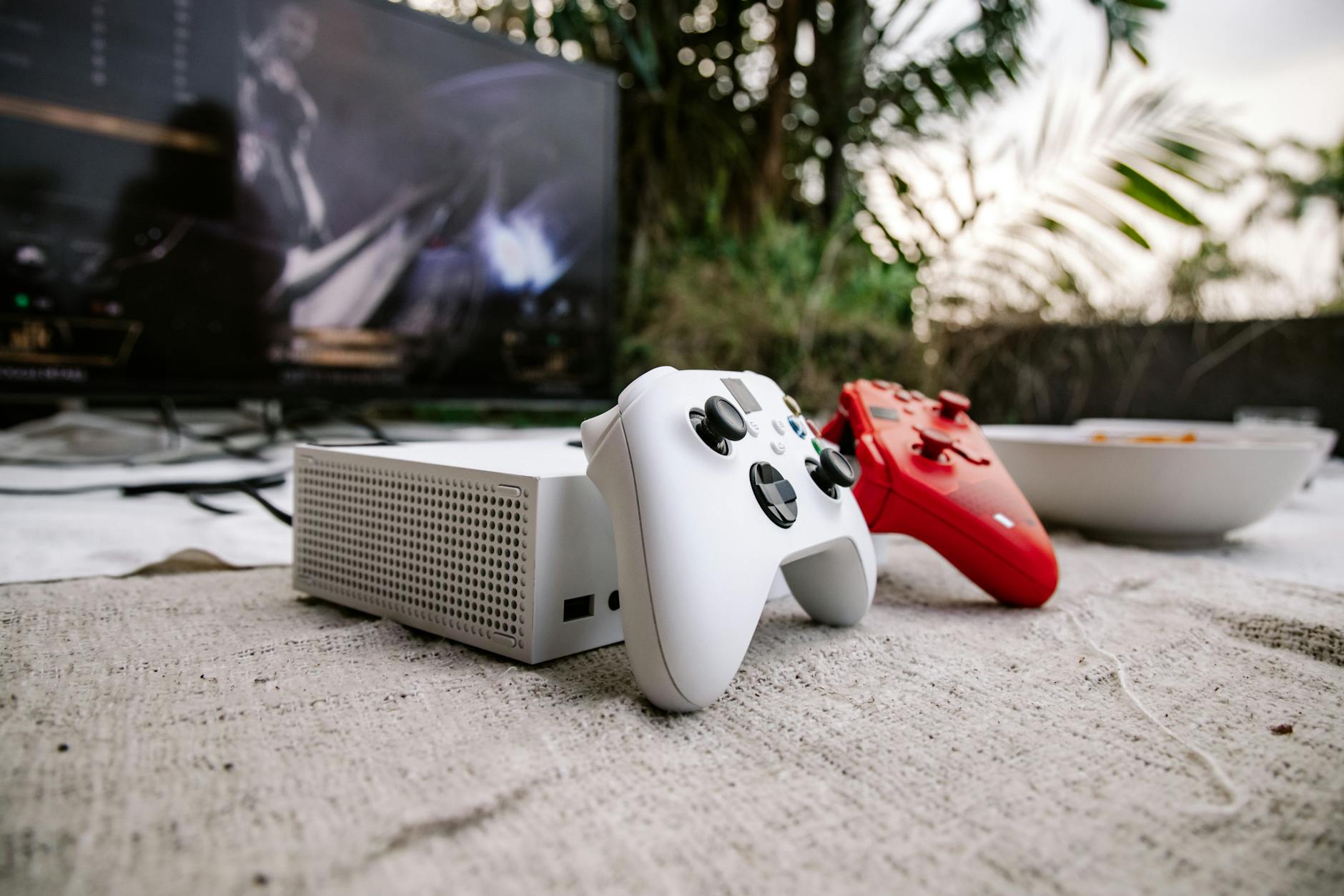
Microsoft’s potential VR acquisition represents more than just another studio purchase. The move signals a broader shift toward immersive gaming experiences that could complement Xbox Game Pass and cloud gaming initiatives. With virtual reality adoption steadily increasing across gaming demographics, Microsoft appears positioned to leverage its cloud infrastructure and development resources to create compelling VR content.
The timing aligns with industry trends showing renewed interest in VR gaming. Major publishers have increased VR investments, while hardware manufacturers continue improving headset accessibility and performance. Microsoft’s entry into dedicated VR gaming development could accelerate adoption across Xbox platforms, potentially integrating with existing services like Xbox Live and Game Pass.
Industry analysts note the acquisition could also strengthen Microsoft’s position against competitors. While Sony PlayStation Studios continues expanding its exclusive game portfolio, Microsoft’s VR expansion could differentiate Xbox offerings in emerging gaming categories.
Technical Integration and Platform Development
The independent studio reportedly brings expertise in cross-platform VR development and advanced motion tracking technology. These capabilities could enhance Xbox’s existing mixed reality framework, potentially creating seamless experiences across PC and console platforms. Microsoft’s established Windows Mixed Reality ecosystem provides a foundation for integration, though Xbox-specific optimization would likely require significant development investment.

Current Xbox hardware lacks dedicated VR support, suggesting potential future console revisions or peripheral releases. The acquisition could accelerate development of Xbox VR hardware, leveraging the studio’s experience with various headset manufacturers and tracking systems. Integration with Microsoft’s Azure cloud services could enable unique multiplayer VR experiences and remote rendering capabilities.
The studio’s existing relationships with VR hardware manufacturers could also benefit Microsoft’s broader mixed reality strategy. Cross-platform compatibility remains crucial for VR adoption, and the acquired expertise could help Microsoft navigate the fragmented VR hardware landscape more effectively.
Market Competition and Industry Response
Microsoft’s VR expansion comes as the gaming industry experiences rapid hardware evolution. With AMD’s next generation graphics cards promising enhanced VR performance, the timing appears strategic for launching Xbox VR initiatives. Improved hardware capabilities could enable more demanding VR experiences that showcase Xbox’s technical capabilities.
The acquisition also positions Microsoft to compete more directly with Meta’s VR gaming investments and Apple’s rumored VR platform development. As major tech companies stake claims in virtual reality, Microsoft’s gaming-focused approach could differentiate Xbox in the consumer market. The company’s existing developer relationships and Game Pass subscriber base provide potential advantages for VR content distribution.
Industry observers note the acquisition could influence other gaming companies’ VR strategies. Independent VR developers may see increased acquisition interest as major platforms expand their immersive gaming capabilities. The consolidation could accelerate VR gaming development while potentially limiting independent innovation in the space.
Future Outlook and Gaming Evolution
The potential acquisition reflects Microsoft’s long-term vision for Xbox as a comprehensive gaming ecosystem. VR integration could enhance existing Xbox services while creating new revenue opportunities through immersive content and experiences. The company’s subscription-based Game Pass model could adapt well to VR gaming, potentially offering extensive VR libraries to subscribers.

Microsoft’s cloud gaming ambitions may also benefit from VR expertise. Remote rendering technology could enable high-quality VR experiences on less powerful devices, expanding Xbox’s potential market reach. The acquired studio’s technical knowledge could accelerate development of cloud-based VR solutions that differentiate Xbox from hardware-dependent competitors.
The gaming industry’s evolution toward more immersive experiences suggests VR will become increasingly important for platform holders. Microsoft’s proactive approach through this acquisition could establish Xbox as a serious VR gaming platform while the technology continues maturing. Success in VR could also strengthen Microsoft’s position in emerging gaming categories like augmented reality and mixed reality entertainment.
As negotiations reportedly continue, the gaming community watches for official confirmation and details about integration plans. The acquisition could mark a turning point for Xbox’s VR ambitions, potentially reshaping the platform’s competitive position in next-generation gaming experiences.
Frequently Asked Questions
Will this acquisition bring VR gaming to Xbox consoles?
The acquisition could accelerate Xbox VR development, though current consoles lack dedicated VR support and may require future hardware updates.
How does this compare to PlayStation’s VR strategy?
This move helps Microsoft compete with Sony’s established PlayStation VR platform and exclusive VR game development initiatives.