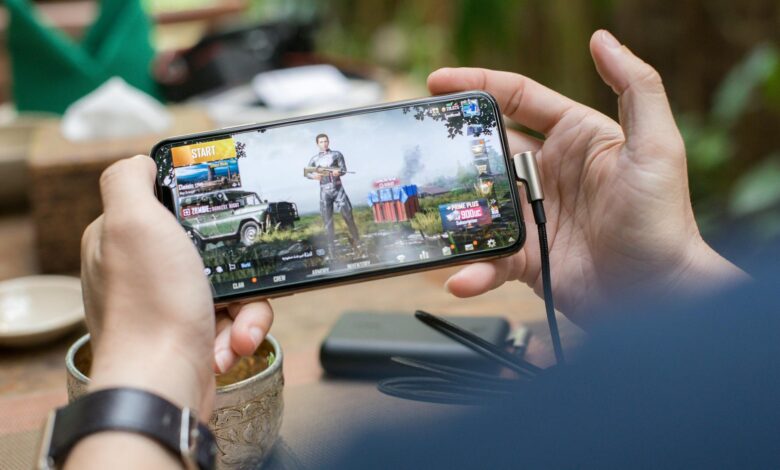
Mobile gaming has shattered a barrier that seemed impossible just five years ago. For the first time in esports history, mobile platforms have generated more revenue than PC gaming, marking a seismic shift in how competitive gaming operates and where the money flows.
The numbers tell a story of rapid transformation. Mobile esports revenue reached new heights in 2024, driven primarily by games like Honor of Kings, Mobile Legends: Bang Bang, and PUBG Mobile. These titles have cultivated massive audiences in Asia-Pacific regions, where smartphone penetration far exceeds gaming PC ownership. What started as casual gaming has evolved into serious competitive scenes with professional leagues, substantial prize pools, and corporate sponsorships that rival traditional PC esports.
The Asian Market Drives Mobile Dominance
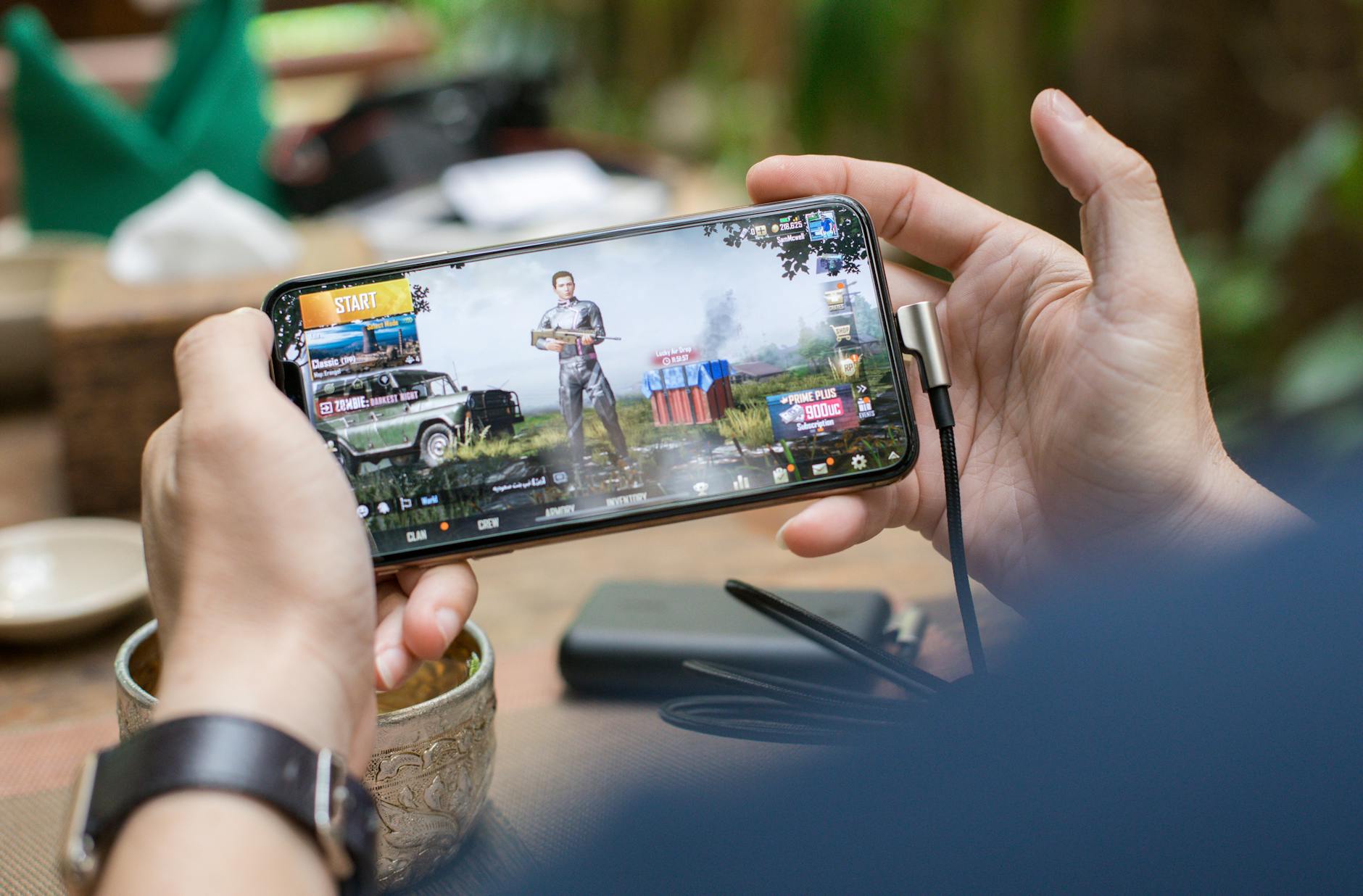
China and Southeast Asia fuel this mobile revolution. Honor of Kings alone boasts over 100 million daily active players, while Mobile Legends maintains strongholds across Indonesia, Malaysia, and the Philippines. These games have created professional ecosystems that generate revenue through multiple streams: tournament broadcasting rights, in-game purchases, merchandise sales, and regional sponsorship deals.
The infrastructure supporting mobile esports differs fundamentally from PC gaming. Where PC competitions require expensive gaming centers and high-end equipment, mobile tournaments can operate with basic streaming setups. This accessibility has democratized competitive gaming, allowing players from developing regions to participate without significant hardware investments.
Major telecommunications companies have invested heavily in mobile esports infrastructure. 5G networks enable smoother gameplay and higher-quality streaming, while mobile carriers sponsor tournaments to showcase their network capabilities. This symbiotic relationship between telecom providers and game publishers has created a revenue model that didn’t exist in traditional PC esports.
Sponsorship Dollars Follow the Audience
Brand sponsors have noticed where the eyeballs are going. Mobile esports tournaments consistently draw larger live audiences than many PC competitions, particularly in lucrative advertising markets across Asia. Automotive companies, consumer electronics brands, and fashion retailers have shifted significant portions of their esports marketing budgets toward mobile platforms.
The viewing experience differs markedly from PC esports. Mobile games translate better to smartphone viewing, creating a seamless experience where audiences watch competitions on the same devices used for gameplay. This integration has proven attractive to advertisers seeking engaged, tech-savvy demographics.
Traditional esports organizations have adapted by expanding into mobile gaming. Teams that built reputations in League of Legends or Counter-Strike now maintain mobile rosters, recognizing that revenue potential increasingly lies in smartphone-based competition. This shift has created tension within organizations as they balance resources between established PC franchises and emerging mobile opportunities.

Tournament Structure and Revenue Models
Mobile esports tournaments operate differently from their PC counterparts. Regular season formats dominate, with weekly matches generating consistent content and advertising opportunities. This contrasts with PC gaming’s event-driven model, where major tournaments occur sporadically throughout the year.
The revenue streams have diversified beyond traditional sponsorships and media rights. In-game cosmetic sales tied to tournament events have become significant revenue generators. When professional players use specific character skins or weapon designs during competitions, sales of those items typically spike among viewers. Game publishers have capitalized on this phenomenon by creating exclusive tournament-themed content.
Streaming platform partnerships have evolved to accommodate mobile-first content. Platforms like YouTube Gaming and regional services such as Nimo TV have developed mobile-optimized broadcasting tools, making it easier for amateur players to stream their gameplay and potentially develop into professional competitors.
The prize pool structures in mobile esports have grown substantially. While they may not match The International’s historically large pools, mobile tournaments offer more consistent payouts throughout the year. This steady income stream has made professional mobile gaming a more viable career path for players in regions where PC gaming infrastructure remains limited.
Broadcasting and Production Innovation
Mobile esports production has pioneered new broadcasting techniques. Multi-angle smartphone cameras provide intimate perspectives impossible in PC gaming, while augmented reality overlays work seamlessly with mobile game interfaces. These innovations have attracted younger audiences who expect dynamic, visually engaging content.
The production costs for mobile esports remain lower than PC competitions, allowing tournament organizers to host more frequent events while maintaining healthy profit margins. This efficiency has attracted investment from media companies looking to maximize return on esports content production.

Industry Implications and Future Outlook
This revenue milestone signals broader changes in competitive gaming’s landscape. Game developers are increasingly prioritizing mobile versions of popular PC titles, recognizing that smartphone-based competition offers greater global reach and monetization potential.
The success of mobile esports challenges assumptions about competitive gaming’s future. While PC gaming maintains advantages in certain genres and regions, the mobile platform’s accessibility, lower barriers to entry, and massive global audience suggest this revenue shift represents a permanent change rather than a temporary trend.
Investment patterns reflect this new reality. Venture capital funding for mobile esports startups has increased dramatically, while traditional PC-focused organizations seek acquisition targets in the mobile space. The financial ecosystem supporting competitive gaming is reorganizing around platforms that offer the broadest possible audience reach.
As infrastructure improvements continue and mobile hardware capabilities advance, the gap between mobile and PC gaming experiences will likely narrow further. This convergence suggests mobile esports’ revenue dominance may expand rather than plateau, fundamentally reshaping how the industry approaches competitive gaming development and marketing.
The implications extend beyond gaming into broader entertainment industries, as mobile esports demonstrate new models for digital content monetization and global audience engagement that other sectors are beginning to adopt.
Frequently Asked Questions
Which mobile games generate the most esports revenue?
Honor of Kings, Mobile Legends: Bang Bang, and PUBG Mobile lead mobile esports revenue through tournament sponsorships and in-game purchases.
Why is mobile esports more profitable than PC gaming now?
Lower production costs, broader global accessibility, and massive audiences in Asia-Pacific regions have made mobile platforms more profitable for competitive gaming.