
Capcom’s Monster Hunter Wilds represents the franchise’s boldest evolution yet, transforming the traditionally segmented hunting grounds into a seamless open world that challenges everything players thought they knew about the series. After spending extensive time with the latest entry, it becomes clear that this isn’t just Monster Hunter with bigger maps – it’s a fundamental reimagining of how players interact with living ecosystems and the massive creatures that inhabit them.
The shift from discrete hunting zones to interconnected environments creates an entirely different rhythm of gameplay. Where previous Monster Hunter titles compartmentalized encounters, Wilds embraces the unpredictability of a living world where multiple apex predators can clash while players witness the spectacle or get caught in the crossfire.

Seamless World Design Changes Everything
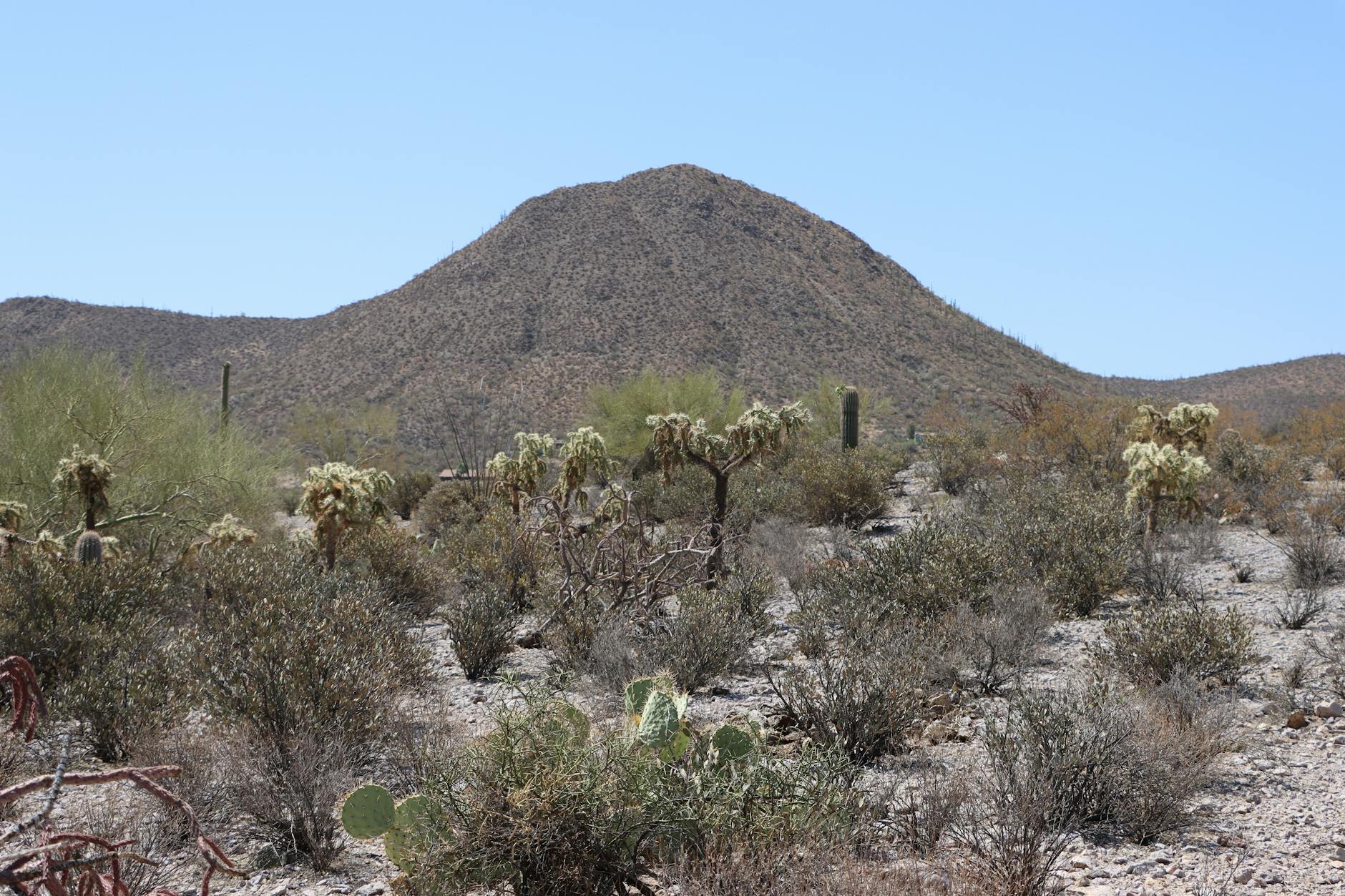
The most striking transformation in Monster Hunter Wilds lies in its approach to world building. Gone are the loading screens between zones that traditionally gave players breathing room to heal, sharpen weapons, or plan their next move. Instead, the Forbidden Lands stretch endlessly in every direction, creating a sense of scale that makes each hunt feel like a genuine expedition into untamed wilderness.
This design philosophy extends beyond mere technical improvements. Weather systems now affect entire regions simultaneously, creating dynamic hunting conditions that can shift dramatically during extended encounters. Sandstorms in the desert regions don’t just reduce visibility – they fundamentally alter monster behavior, forcing creatures to seek shelter or become more aggressive as they compete for safe spaces.
The ecosystem interactions reach new levels of complexity. Herbivore herds migrate across vast distances, pursued by pack hunters, while apex predators establish territories that shift based on seasonal changes and resource availability. Players must now consider not just their target monster’s location, but the entire food web that influences creature movements and aggression levels.
Environmental storytelling takes on greater significance when every rock formation, watering hole, and nesting ground serves both narrative and gameplay purposes. The world feels lived-in rather than constructed, with monster traces, territorial markings, and battle scars telling stories of conflicts that occurred whether players witnessed them or not.
Combat Evolution Beyond Traditional Mechanics
Combat in Monster Hunter Wilds maintains the series’ trademark deliberate pacing while introducing systems that leverage the open world design. The new Focus Mode fundamentally changes how players approach monster encounters, allowing for precision targeting that feels natural rather than cumbersome. This isn’t just about making combat easier – it’s about providing tools that match the increased complexity of multi-monster encounters.
Weapon movesets have been expanded with new combo paths and mobility options that account for the larger engagement areas. The Great Sword now features gap-closing techniques that don’t compromise its heavy-hitting identity, while lighter weapons like Dual Blades gain new aerial maneuvers for navigating complex terrain during combat.
The introduction of dynamic weather affecting combat mechanics adds layers of strategy previously unseen in the franchise. Lightning storms can charge certain weapons or make others more dangerous to wield. Sandstorms reduce visibility for both hunters and monsters, creating opportunities for stealth approaches or surprise attacks from unexpected angles.
Monster AI has evolved to match the expanded battlefield. Creatures now demonstrate more sophisticated territorial behavior, with some monsters calling for backup when overwhelmed, while others attempt to flee to more advantageous terrain. The days of monsters simply running to the next zone are replaced with tactical retreats to environmental hazards or defensive positions.
Multiplayer Integration in Open Spaces
The seamless world design creates new possibilities for multiplayer cooperation that extend beyond traditional four-player hunting parties. Players can now encounter each other organically while exploring, leading to impromptu collaborations or friendly competition for resources and monster encounters.
Guild integration feels more meaningful when players can establish base camps in strategic locations and coordinate large-scale expeditions that might span multiple in-game days. The social aspects of Monster Hunter have always been central to its appeal, but Wilds creates space for these interactions to feel more natural and less structured.
Cross-region play benefits enormously from the persistent world design. When players from different areas can seamlessly join ongoing expeditions without disrupting the flow of exploration, it reduces the friction that sometimes made multiplayer coordination cumbersome in previous entries.
The new SOS system accounts for the larger scale encounters, allowing players to call for specific types of assistance – whether they need help with a particular monster type, environmental challenge, or resource gathering expedition. This creates more targeted multiplayer experiences that respect players’ time and intentions.
Environmental Challenges and Opportunities
Monster Hunter Wilds introduces environmental hazards and advantages that change how players approach familiar monster types. Quicksand areas can trap both hunters and monsters, creating risk-reward scenarios where players might lure creatures into disadvantageous positions at the cost of limiting their own mobility.
Volcanic regions feature dynamic eruption patterns that affect entire zones, forcing all creatures – including players – to adapt their behavior to avoid environmental damage. These aren’t scripted events but part of the living world simulation that makes each hunt feel unique.
The addition of rideable creatures beyond the traditional Palamutes creates new traversal options that feel integrated into the world rather than gamified. Wild creatures can be temporarily tamed for transportation, but their cooperation depends on environmental factors and the player’s relationship with the local ecosystem.
Technical Achievement and Future Implications
The technical accomplishments required to create Monster Hunter Wilds’ seamless experience cannot be understated. The engine handles multiple large monsters, complex weather systems, and detailed environmental destruction without sacrificing the visual fidelity that makes each creature encounter memorable.
Loading times have been essentially eliminated for world traversal, though the game does employ clever techniques to manage system resources during particularly intense multi-monster encounters. The result is an experience that feels genuinely seamless rather than technically impressive but practically limited.
Visual design maintains Monster Hunter’s signature style while taking advantage of current generation hardware capabilities. Monster animations show new levels of detail in how creatures interact with varied terrain types, and environmental effects like particle systems during sandstorms create immersive conditions without overwhelming the core gameplay.
The success of Monster Hunter Wilds’ open world implementation could influence not just future entries in the franchise, but how other developers approach the integration of traditional game structures with seamless world design. By proving that complex, systems-driven gameplay can thrive in open environments without losing focus, Capcom has created a template that respects both innovation and established player expectations.
Monster Hunter Wilds succeeds because it understands that open world design should serve gameplay rather than simply providing more space to fill. Every system works in service of creating more dynamic, unpredictable, and ultimately memorable hunting experiences that will keep players exploring the Forbidden Lands long after they’ve mastered its most challenging encounters.
Frequently Asked Questions
How does Monster Hunter Wilds’ open world differ from previous games?
Wilds eliminates loading screens between zones and creates seamless environments where multiple monsters interact dynamically across connected ecosystems.
What are the major combat changes in Monster Hunter Wilds?
The game introduces Focus Mode for precision targeting, expanded weapon movesets, and weather-affected combat mechanics that add strategic depth.