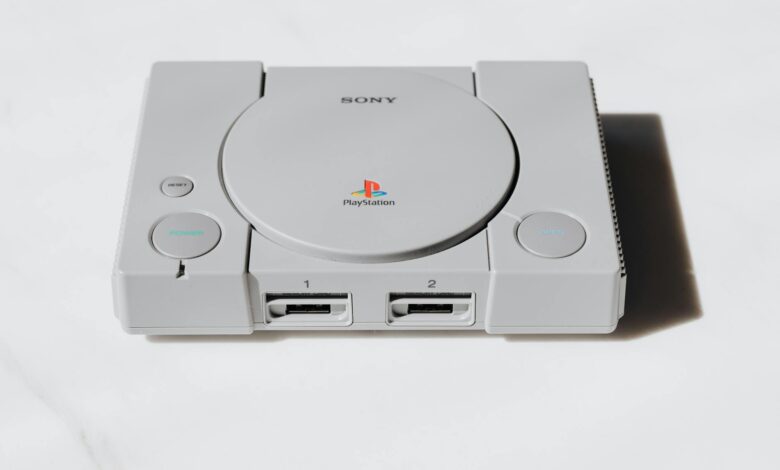
Nintendo’s upcoming Switch successor has passed its most crucial test: running the massive library of original Switch games without breaking them. Early testing reveals that backward compatibility works smoothly across most titles, with some games even showing performance improvements on the new hardware.
The backward compatibility feature addresses one of gaming’s biggest pain points – losing access to your game collection when upgrading consoles. Unlike Sony’s PlayStation 5, which has faced ongoing backward compatibility issues with system updates, Nintendo appears to have prioritized seamless game preservation from day one.
Performance Gains Across Popular Titles
Testing results show significant improvements in frame rates and loading times for demanding Switch games. Titles like “The Legend of Zelda: Tears of the Kingdom” and “Pokemon Scarlet and Violet,” which struggled with performance issues on original Switch hardware, now maintain more stable frame rates during intensive gameplay sequences.
The new system’s enhanced processing power eliminates many of the stuttering issues that plagued graphically intensive games. “Xenoblade Chronicles 3” reportedly runs with fewer frame drops during large-scale battles, while “Splatoon 3” maintains consistent performance in crowded multiplayer matches.
Loading times have decreased substantially across the board. Games that previously took 30-45 seconds to boot now launch within 10-15 seconds. Save file loading has similarly improved, reducing wait times between gameplay sessions.
Digital Library Migration Process
Nintendo has streamlined the process of transferring digital game libraries to the new console. Users can link their Nintendo Account to automatically access their entire digital collection without re-downloading everything immediately.
The system includes a selective download feature that lets players prioritize which games to install first. This addresses storage concerns, as the new console’s internal storage capacity remains similar to its predecessor. Cloud save data transfers seamlessly through Nintendo Switch Online subscriptions.
Physical cartridges work exactly as expected, with no additional setup required. The cartridge slot maintains the same form factor, ensuring complete compatibility with the existing game library.
Technical Architecture Behind Compatibility
The Switch 2’s backward compatibility success stems from its similar underlying architecture to the original system. Nintendo maintained the ARM-based processor design while upgrading performance capabilities, avoiding the compatibility nightmares that often accompany major architectural changes.
The new system runs original Switch games through native compatibility rather than emulation. This approach provides better performance and stability compared to software-based backward compatibility solutions used by other manufacturers.
Game patches and updates continue working normally on the new hardware. Developers don’t need to create specific versions for Switch 2, as the system automatically applies appropriate optimizations based on available resources.
Limitations and Known Issues
While most games work flawlessly, some titles exhibit minor quirks on the new hardware. A small number of games that relied on specific timing mechanisms occasionally run slightly faster than intended, though this rarely affects gameplay significantly.
Certain motion control features may behave differently due to updated sensor hardware. Games heavily dependent on precise Joy-Con motion detection might require recalibration or minor adjustments to sensitivity settings.
Online multiplayer functions normally between original Switch and Switch 2 users, maintaining the unified player base that makes Nintendo’s online ecosystem viable.
The backward compatibility testing results position Nintendo’s next console as a seamless upgrade path for existing Switch owners. Unlike the confusion surrounding game compatibility that has affected other console transitions, Switch 2 owners can confidently expect their entire game library to work from day one.
This comprehensive compatibility approach could influence how other console manufacturers handle future hardware transitions, potentially setting a new standard for preserving gaming libraries across console generations.
Frequently Asked Questions
Will all Switch games work on Switch 2?
Testing shows most Switch games work seamlessly on Switch 2, with some showing improved performance and faster loading times.
Do I need to rebuy games for Switch 2?
No, your existing digital library and physical cartridges will work on Switch 2 through backward compatibility.