Nintendo’s rumor mill has been churning for years about a mysterious “Switch Pro” console upgrade. Despite countless leaks, insider tips, and wishful thinking from fans, this mythical device remains as elusive as a perfect speedrun. The gap between what gamers desperately want and what Nintendo actually delivers has never been wider.
The original Switch launched in 2017 to massive success, but its aging hardware now struggles with modern games. While competitors push 4K gaming and ray tracing, Nintendo’s hybrid console still runs many titles at sub-1080p resolution. This reality check forces a crucial question: what would a true Switch upgrade actually need to accomplish?
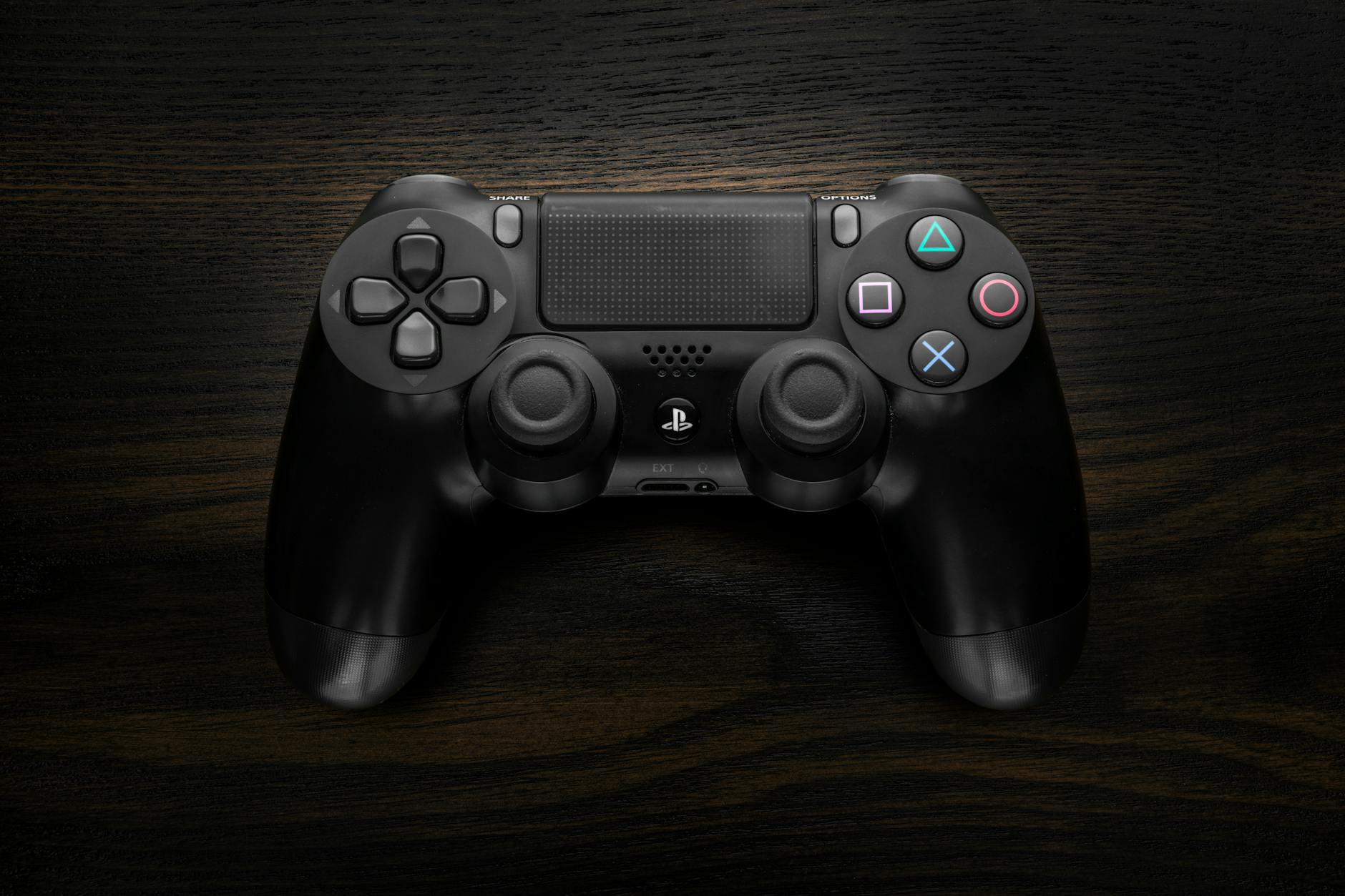
The Endless Rumor Cycle
Every few months, gaming forums explode with fresh Switch Pro speculation. Supposed insider sources claim Nintendo has plans for DLSS support, 4K docked performance, or OLED screens. These rumors follow predictable patterns – appearing before major gaming events, gaining momentum through social media echo chambers, then fizzling out when Nintendo announces something completely different.
The most persistent rumors center around upgraded processing power. Gaming analysts frequently cite unnamed sources claiming Nintendo has been testing custom chips with significantly improved graphics capabilities. Yet these same sources have been making similar claims since 2019, with no concrete results to show.
Nintendo’s actual hardware strategy tells a different story. The company released the Switch Lite in 2019, removing features rather than adding them. The 2021 Switch OLED model offered a better screen and improved kickstand, but identical internal performance. This pattern suggests Nintendo prioritizes cost control and battery life over raw power.
Recent patent filings from Nintendo have fueled additional speculation about backwards compatibility improvements and enhanced cooling systems. However, patent applications rarely translate directly into consumer products, especially from a company known for unconventional hardware decisions.
Performance Reality Check
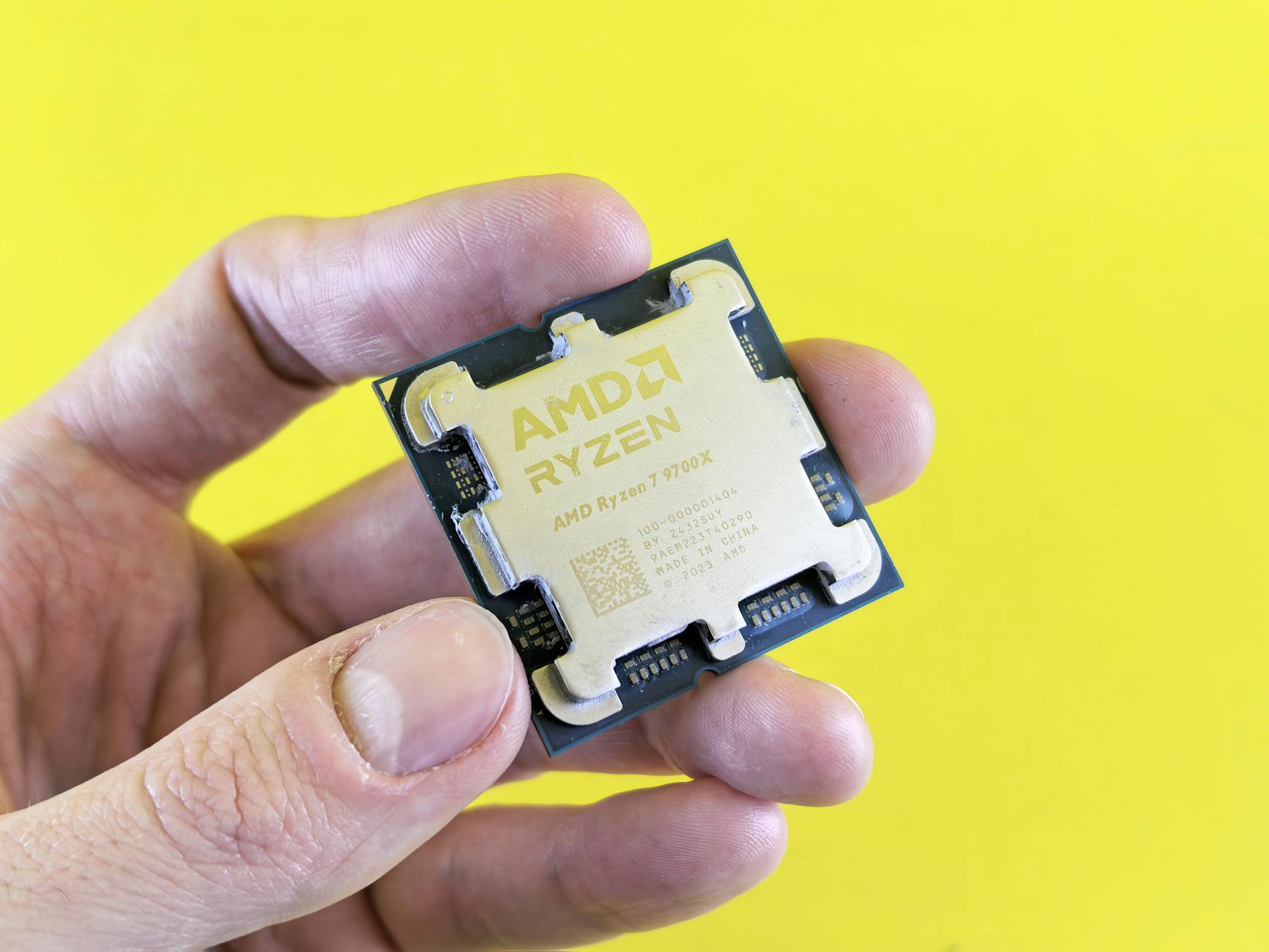
The current Switch runs on a custom Tegra X1 chip from 2015, making it roughly equivalent to smartphone processors from that era. Popular games like “The Witcher 3” and “Doom Eternal” require significant visual compromises to run acceptably. Frame rates frequently drop below 30fps during intensive scenes, and loading times stretch beyond what modern gamers expect.
Comparing Switch performance to current-generation consoles reveals stark differences. While PlayStation 5 and Xbox Series X target 4K resolution at 60fps, the Switch maxes out at 1080p when docked, with many games running at 720p or lower. Handheld mode further reduces visual quality to preserve battery life.
Third-party developers face constant optimization challenges when porting games to Switch. Popular titles often arrive months or years late, requiring extensive code rewrites to function properly. Some developers skip Switch entirely rather than compromise their artistic vision or spend additional development resources.
The hardware limitations extend beyond graphics processing. The Switch’s limited storage space forces players to constantly manage game installations, while the aging Wi-Fi chip struggles with large downloads. These practical issues affect daily gaming experiences more than theoretical benchmark scores.
What Gamers Actually Want
Community feedback reveals clear priorities that differ from typical rumor mill speculation. Players consistently request longer battery life over flashy graphics upgrades. The current Switch provides 3-6 hours of gameplay depending on the title, which many consider insufficient for long trips or extended gaming sessions.
Storage improvements rank high on wishlist surveys. The base model’s 32GB internal storage fills up quickly, forcing expensive memory card purchases. Games like “Call of Duty” require more storage than the entire system provides, creating obvious usability problems.
Backwards compatibility represents another major concern. Switch owners have invested hundreds of dollars in digital game libraries and want assurance their purchases will work on future hardware. This practical consideration often outweighs desires for cutting-edge graphics or processing power.
Online functionality improvements also generate significant demand. Nintendo’s paid online service lacks features that competitors provide free, including voice chat through the system itself rather than smartphone apps. Better network stability and faster download speeds would enhance the experience more than marginal performance gains.
While discussing hardware evolution across the gaming industry, it’s worth noting that Xbox Series S recently received enhanced storage options, showing how manufacturers can address practical player needs without complete system overhauls.
Nintendo’s Strategic Priorities
Understanding Nintendo’s corporate philosophy explains why Switch Pro rumors consistently miss the mark. The company prioritizes unique gameplay experiences over technical specifications, following this approach successfully for decades. The Wii’s motion controls and DS touchscreen proved that innovation trumps raw power in Nintendo’s playbook.
Manufacturing costs heavily influence Nintendo’s hardware decisions. The company maintains aggressive pricing strategies to capture mainstream audiences, including families and casual players who won’t pay premium prices for marginal improvements. This approach conflicts with enthusiast desires for high-end specifications.
Software development timelines also shape hardware planning. Nintendo’s first-party studios design games specifically for current Switch capabilities, with major titles planned years in advance. Upgrading hardware mid-generation could fragment the user base and complicate development processes.
The portable gaming market faces unique constraints that desktop consoles don’t encounter. Battery technology, heat dissipation, and size requirements limit how much performance improvement is practically achievable. These physics realities matter more than theoretical chip capabilities.
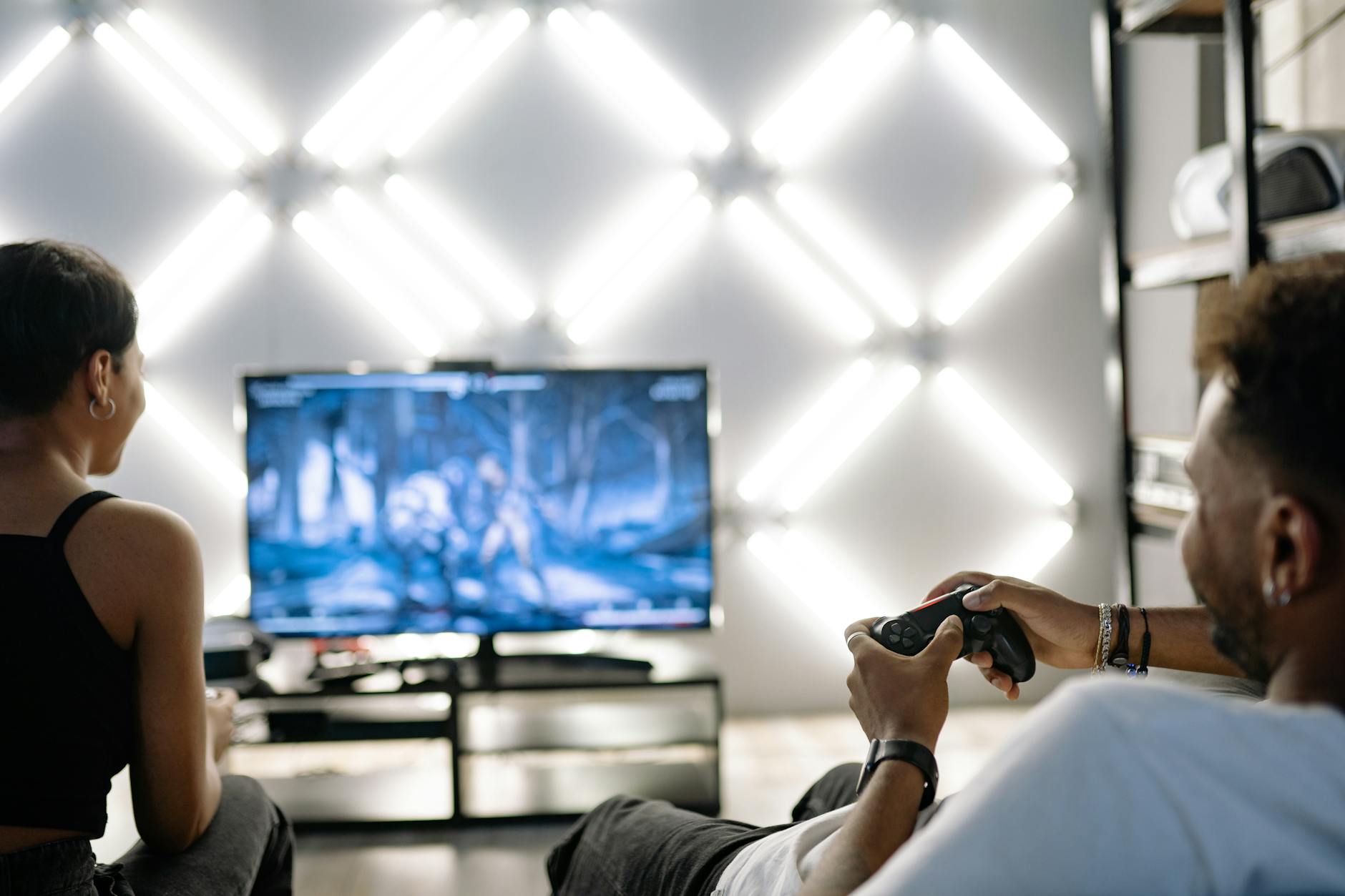
Looking Forward
Nintendo will eventually release Switch successor hardware, but it likely won’t match current speculation. The company’s track record suggests focusing on novel features rather than incremental upgrades. Previous generation transitions introduced completely new control methods or form factors rather than simple performance boosts.
The gaming industry’s shift toward streaming and cloud processing could influence Nintendo’s next move. Services like GeForce Now already enable high-end gaming on Switch hardware through internet connections. This technology might satisfy power users while maintaining Nintendo’s cost-conscious approach.
Timing remains Nintendo’s biggest strategic question. The Switch continues selling well despite aging hardware, reducing pressure for immediate replacement. The company traditionally waits until sales decline before introducing new platforms, which could delay any major upgrade for several more years.
Rather than chasing phantom rumors about mythical Pro models, gamers might benefit from appreciating what the Switch does well. Its unique hybrid design and exclusive game library offer experiences unavailable elsewhere. Sometimes the best upgrade is simply enjoying what you already have.
Frequently Asked Questions
Is Nintendo releasing a Switch Pro console?
Nintendo hasn’t officially announced any Switch Pro model despite years of rumors and speculation from gaming media.
What improvements do Switch players want most?
Surveys show players prioritize longer battery life, more storage space, and backwards compatibility over graphics upgrades.