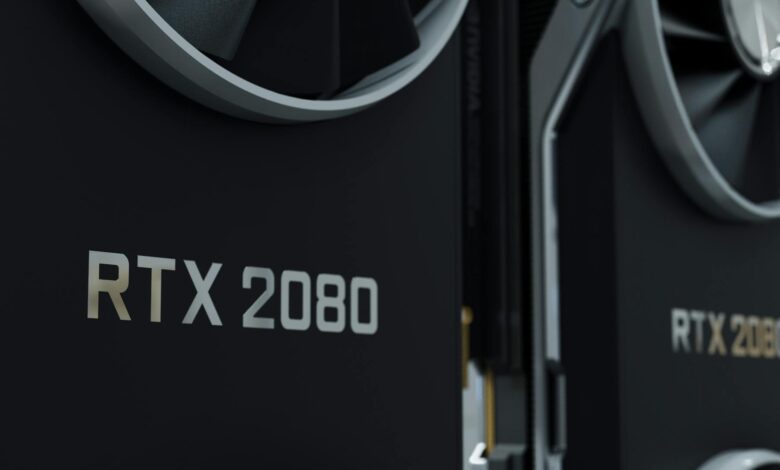
Graphics card enthusiasts have been eagerly waiting for NVIDIA’s next flagship release, and recent industry sources suggest the GeForce RTX 5080 could arrive sooner than expected. Multiple retailers have begun updating their inventory systems with placeholder listings, while manufacturing partners reportedly received initial specifications for custom cooling designs. The RTX 5080 represents NVIDIA’s continued push into high-performance gaming, targeting 4K gaming at maximum settings and enhanced ray tracing capabilities that could reshape the premium graphics card market.
Release Timeline and Availability Windows
Industry insiders point to a launch window in the first quarter of next year, with initial shipments potentially reaching retail partners by late February or early March. This timeline aligns with NVIDIA’s typical product refresh cycle, coming roughly two years after the RTX 4080’s debut. Manufacturing capacity appears to be ramping up at TSMC facilities, with reports suggesting initial production runs have already begun for the new Blackwell architecture chips.
The availability strategy differs from previous launches, with NVIDIA reportedly planning a wider initial release across multiple regions simultaneously. Previous RTX launches faced significant supply constraints, leading to extended waiting periods and inflated pricing from third-party sellers. Learning from these challenges, the company has allegedly secured larger wafer allocations and expanded its network of board partners to ensure broader availability at launch.
Regional rollouts typically start with North American and European markets, followed by Asia-Pacific territories within two weeks. However, sources suggest this pattern might shift, with some Asian markets receiving inventory alongside Western launches to prevent gray market imports and pricing disparities.
Pricing Structure and Market Positioning
Preliminary pricing information suggests the RTX 5080 will slot between the current RTX 4070 Ti Super and RTX 4090 in terms of cost, targeting enthusiast gamers who want flagship performance without the premium price tag of the highest-end model. The pricing strategy appears designed to capture market share from both AMD’s upcoming RDNA 4 offerings and Intel’s Arc Battlemage series, both expected to launch in similar timeframes.
Board partner models will likely follow the established pricing tiers, with basic dual-fan designs at the entry level, followed by premium triple-fan cooling solutions and factory-overclocked variants. Custom designs from ASUS, MSI, EVGA, and other partners typically add premium pricing for enhanced cooling, RGB lighting, and higher clock speeds out of the box.
The competitive landscape has intensified recently, particularly with AMD and Intel forming partnerships for next generation gaming CPUs, creating pressure for NVIDIA to maintain its performance leadership while keeping prices competitive.

Performance Expectations and Technical Specifications
Early benchmark leaks suggest the RTX 5080 delivers substantial performance improvements over its predecessor, particularly in ray tracing scenarios and DLSS upscaling. The new Blackwell architecture reportedly includes enhanced RT cores and improved AI processing units, enabling better performance in games with heavy ray tracing implementations like Cyberpunk 2077, Metro Exodus Enhanced Edition, and the upcoming releases using Unreal Engine 5.
Memory specifications point to increased VRAM capacity compared to the RTX 4080, addressing one of the primary criticisms of the current generation. Content creators and gamers working with high-resolution textures have pushed for larger memory buffers, and NVIDIA appears to have responded with more generous allocations across the product line.
Power efficiency improvements stem from the refined manufacturing process and architectural optimizations. Despite increased performance, the RTX 5080 reportedly maintains similar power draw to its predecessor, requiring standard dual 8-pin or single 16-pin power connections depending on the specific model. This compatibility ensures existing power supplies can handle the new cards without requiring system upgrades.
The streaming and content creation market continues expanding, with platforms like Twitch introducing new revenue sharing models for gaming streamers, driving demand for hardware capable of simultaneous gaming and broadcasting at high quality settings.
Market Impact and Competition Response
The RTX 5080 launch comes at a critical time for the graphics card market, with console gaming continuing to influence PC hardware expectations and requirements. Games developed primarily for PlayStation 5 and Xbox Series X often push PC hardware to deliver significantly better performance than console equivalents, creating demand for high-end graphics solutions.
AMD’s response to the RTX 5080 will likely determine pricing stability in the enthusiast market. Previous NVIDIA launches have seen AMD adjust pricing on existing inventory while accelerating development timelines for competing products. The RDNA 4 architecture promises improved efficiency and competitive pricing, potentially forcing NVIDIA to be more aggressive with launch pricing than initially planned.
Intel’s continued investment in discrete graphics through the Arc series adds another variable to market dynamics. While Arc Battlemage targets different market segments, any significant performance improvements could influence overall pricing strategies across all manufacturers.

The RTX 5080 represents more than just another graphics card launch – it signals NVIDIA’s commitment to maintaining technological leadership while addressing market demands for better value propositions. Early indicators suggest this could be one of the most significant GPU launches in recent years, potentially setting new standards for 4K gaming performance and ray tracing capabilities. As manufacturing ramps up and final specifications are confirmed, the graphics card market appears poised for a major shift that could influence gaming hardware choices for years to come.
Frequently Asked Questions
When will the RTX 5080 be released?
Industry sources point to a Q1 launch window, with initial availability expected in late February or early March.
How will RTX 5080 pricing compare to current cards?
The RTX 5080 will reportedly slot between the RTX 4070 Ti Super and RTX 4090 in pricing, targeting enthusiast gamers.