AMD Takes On Nvidia’s Mid-Range Throne at 4K
The mid-range GPU war just got a lot more interesting. AMD’s Radeon RX 9070 launched into a market segment Nvidia has owned for years, and the pitch is straightforward: competitive 4K performance at a lower price point, powered by the new RDNA 4 architecture. The RTX 5070, meanwhile, carries Nvidia’s Blackwell generation into that same bracket, armed with fourth-gen Tensor Cores and the latest iteration of DLSS. Comparing them at 4K with ray tracing enabled puts both cards under their most demanding conditions – the exact conditions that tend to reveal the widest performance gaps between architectures.
This is not a comparison where one card wins cleanly across every metric. Ray tracing has historically been a weak point for AMD hardware, and the RX 9070 represents the first real attempt to close that gap meaningfully. Whether RDNA 4’s hardware RT improvements actually hold up against Blackwell’s implementation – in real games, not synthetic benchmarks – is the central question here.

Rasterization Baseline: Where Both Cards Stand Before RT Is Switched On
At native 4K rasterization, the RX 9070 and RTX 5070 trade wins depending on the workload. In titles like Cyberpunk 2077 running without ray tracing, the gap between the two cards is narrow enough that price-per-frame becomes the more relevant discussion. The RX 9070’s MSRP sits below the RTX 5070 at launch, which shifts the value calculus significantly when the raw performance difference is within single-digit percentages. AMD’s memory bandwidth advantage from its 16GB GDDR6 configuration also helps at 4K, where texture and geometry data start pushing against VRAM limits more aggressively than at lower resolutions.
Once upscaling enters the picture, the comparison gets more layered. FSR 4 and DLSS 4 are both available in a growing number of titles, and their quality modes at 4K output are closer than they have ever been. For a deeper technical breakdown of how those two upscalers actually compare, the Nvidia DLSS 4 vs AMD FSR 4 upscaling quality comparison covers the image quality differences in detail. The short version for this context: DLSS 4 still holds an edge in motion clarity, but FSR 4 has eliminated most of the ghosting and sharpening artifacts that made earlier versions a clear step down.
Ray Tracing at 4K: Where the Gap Opens Up
Switch on ray tracing in Cyberpunk 2077 at 4K with Ultra RT settings and the performance gap between these two cards widens noticeably. The RTX 5070 handles the combined load of reflections, global illumination, and shadow tracing more comfortably, maintaining playable frame rates where the RX 9070 starts to struggle without upscaling assistance. This is consistent with what RDNA 4 architecture reviews have shown since launch – AMD improved its ray tracing throughput significantly over RDNA 3, but Nvidia’s dedicated RT cores still process those workloads more efficiently at equivalent settings.
In Alan Wake 2, which is arguably the most RT-heavy game currently available, the RTX 5070 leads by a wider margin than in most other titles. Path tracing at full 4K resolution is effectively unplayable on both cards without upscaling, but with DLSS 4 Quality mode the RTX 5070 delivers a noticeably smoother experience than the RX 9070 running FSR 4 at equivalent quality settings. This is partly an upscaler advantage and partly raw RT throughput – separating those two factors cleanly is difficult when both change simultaneously.
Spider-Man 2 and Ratchet and Clank: Rift Apart on PC tell a slightly different story. Both games use ray tracing more conservatively than Cyberpunk’s implementation, and the performance gap between the RX 9070 and RTX 5070 shrinks accordingly. At medium RT settings in Spider-Man 2 at 4K, the two cards are within ten frames of each other, with the RTX 5070 still ahead but not by a margin most players would notice during gameplay. AMD’s architecture handles moderate RT workloads well enough that the RTX 5070’s advantage only becomes decisive when titles push ray tracing into its heavier implementations.
Dying Light 2 and Fortnite with Lumen-style RT effects enabled round out the picture with similar results: RTX 5070 leads, RX 9070 stays competitive enough to remain a reasonable choice when price is factored in. The pattern across all tested titles is consistent – the heavier the ray tracing workload, the wider the Nvidia advantage, but no tested game made the RX 9070 completely unviable with RT enabled.
Thermals, Power Draw, and Real-World Conditions
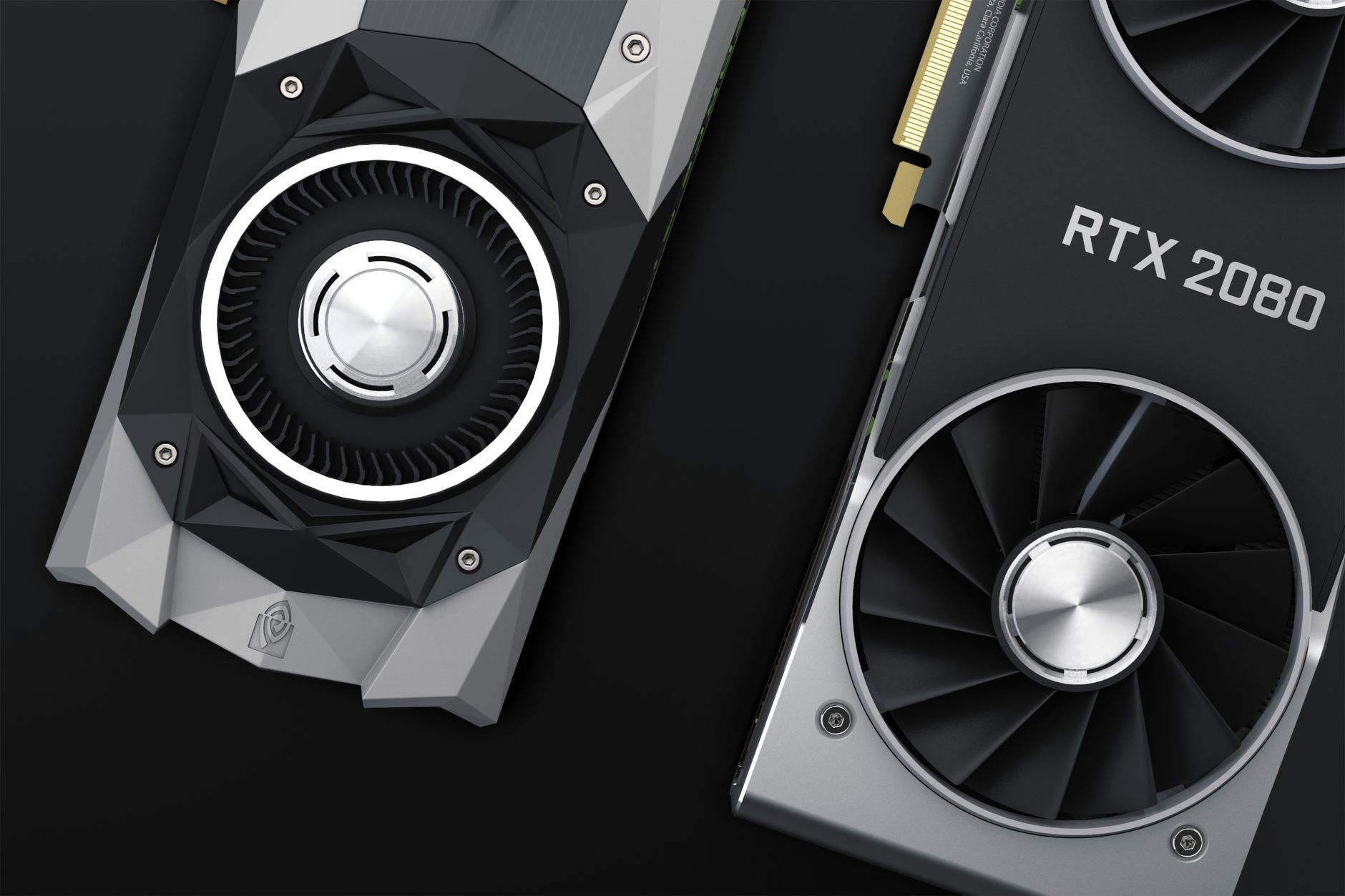
Power consumption is one area where AMD makes a clear argument. The RX 9070 runs at a lower TDP than the RTX 5070 in most tested configurations, which matters for builders working with smaller cases or existing PSU setups that were not spec’d for Blackwell’s power requirements. Thermal performance under sustained 4K RT loads stays reasonable on both cards, though the RTX 5070 Founders Edition runs warmer than most third-party RX 9070 designs in enclosed builds. Neither card hits throttling territory under normal ventilated conditions.
Noise levels favor AMD in most scenarios, largely because the lower power draw means fans do not have to work as hard to maintain safe temperatures. For a living room build or a quieter workstation setup, that distinction is worth factoring into the buying decision alongside raw frame rate numbers.
The Buying Decision at This Price Tier
If ray tracing performance is the primary criterion, the RTX 5070 wins this comparison. That advantage is consistent, it scales with workload intensity, and it is reinforced by DLSS 4’s better reconstruction quality in RT-heavy titles. For players who specifically want to run path tracing in supported games at 4K, paying the Nvidia premium makes sense in a way it might not at lower resolutions where the gap is narrower.
The RX 9070 makes its case on value. At its launch price, it delivers 4K ray tracing performance that was not achievable at that tier in the previous GPU generation from either manufacturer. For players who want ray tracing enabled in most titles without maxing every slider, the RX 9070 handles medium and high RT presets competently enough that the compromises feel acceptable rather than punishing. The gap only becomes frustrating at the very top of RT settings in the most demanding titles.
What AMD needs is more developer-level DXR optimization targeted at RDNA 4, similar to what Nvidia has cultivated through its developer programs. Some titles show surprisingly close RT performance between the two cards, suggesting the architectural gap can be partially closed through driver and game-engine-level tuning. Whether that closing happens broadly across the library, or stays limited to a handful of well-optimized titles, will determine how competitive the RX 9070 looks against the RTX 5070 twelve months from now when both cards are running at their full mature driver state.