The mid-range graphics card market has never been more competitive. With AMD’s RX 7700 XT throwing down the gauntlet against NVIDIA’s RTX 4060 Ti, gamers finally have two powerhouse options that don’t require selling a kidney. Both cards target the sweet spot where 1440p gaming meets reasonable pricing, but they take distinctly different approaches to dominate your favorite titles.
The RTX 4060 Ti arrived with NVIDIA’s Ada Lovelace architecture, promising enhanced ray tracing and DLSS 3 Frame Generation. Meanwhile, AMD’s RX 7700 XT leverages the RDNA 3 architecture with more raw horsepower and generous VRAM allocation. Each card represents its manufacturer’s vision for what mid-range gaming should deliver in 2024 and beyond.
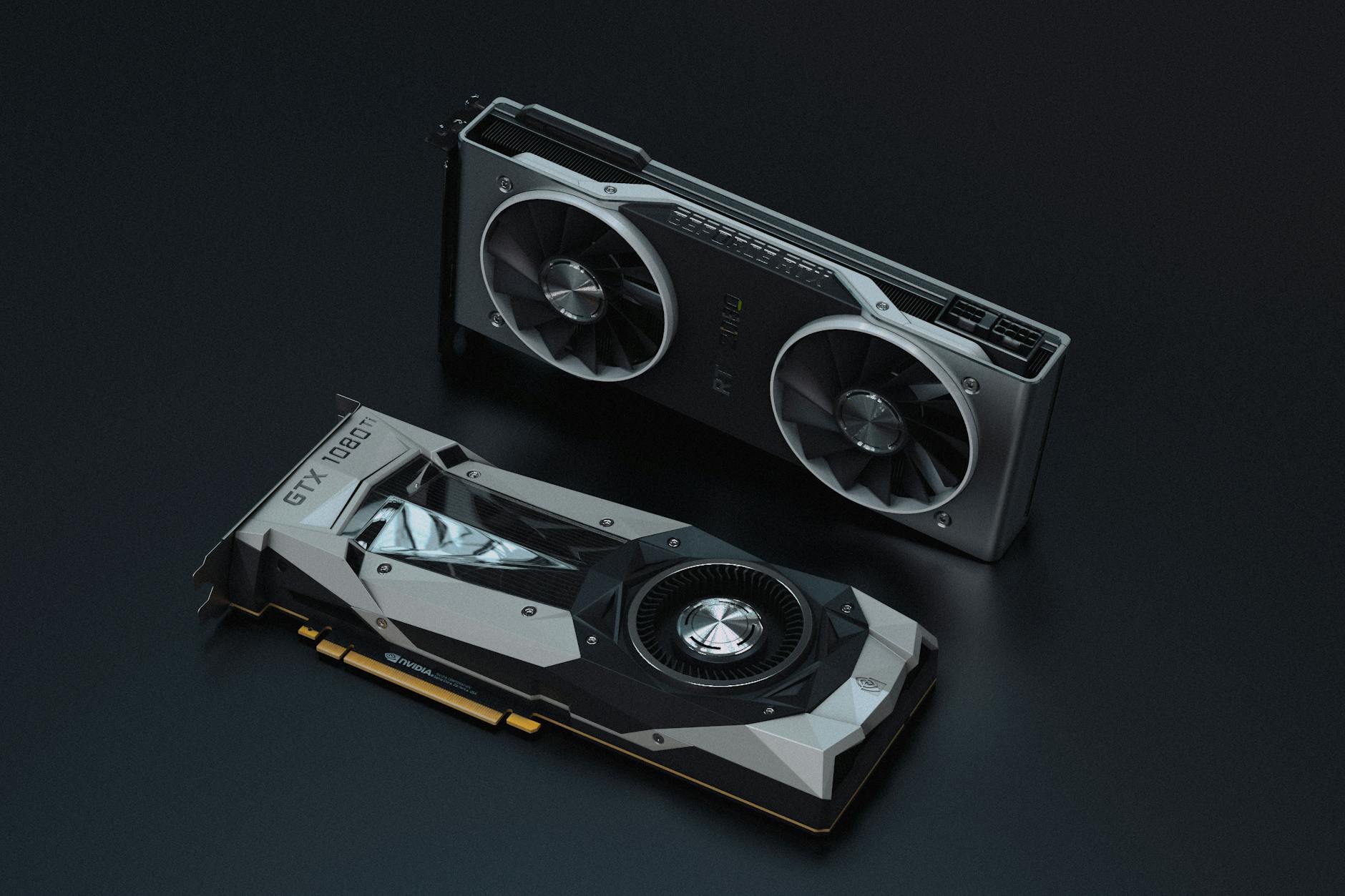
Raw Performance: Power vs Efficiency
The RX 7700 XT comes out swinging with 12GB of GDDR6 memory compared to the RTX 4060 Ti’s 16GB option, though the base model ships with just 8GB. This memory difference becomes crucial at 1440p resolution where texture streaming demands more VRAM headroom. In traditional rasterization, the 7700 XT typically delivers 5-15% better performance across most titles.
Games like Cyberpunk 2077, Assassin’s Creed Mirage, and The Witcher 3 show the RX 7700 XT pulling ahead in pure frame rates. The card’s 2544 stream processors and higher memory bandwidth create a noticeable advantage in GPU-intensive scenarios. However, the RTX 4060 Ti fights back with superior power efficiency, drawing roughly 20-30 watts less under load.
The efficiency gap becomes more apparent during extended gaming sessions. The RTX 4060 Ti runs cooler and quieter in most implementations, making it attractive for compact builds or noise-sensitive setups. AMD’s card requires more robust cooling solutions but rewards users with consistently higher baseline performance.
Ray Tracing and Upscaling Technologies
Ray tracing performance tells a different story entirely. NVIDIA’s RT cores give the RTX 4060 Ti a substantial advantage when reflections, shadows, and global illumination effects activate. Games like Control, Metro Exodus Enhanced Edition, and Cyberpunk 2077 with ray tracing enabled heavily favor the RTX card, often by 20-40% margins.
DLSS 3 with Frame Generation represents NVIDIA’s trump card. This technology can effectively double frame rates in supported titles, turning stuttering ray-traced experiences into smooth gameplay. The growing list of DLSS 3-compatible games includes major releases like Spider-Man: Miles Morales, Portal with RTX, and Microsoft Flight Simulator.
AMD counters with FSR 3, which offers frame generation across both AMD and NVIDIA hardware. While FSR 3 shows promise, it currently supports fewer titles and generally provides less visual quality improvement compared to DLSS 3. However, FSR’s open-source nature means broader adoption across different hardware configurations.
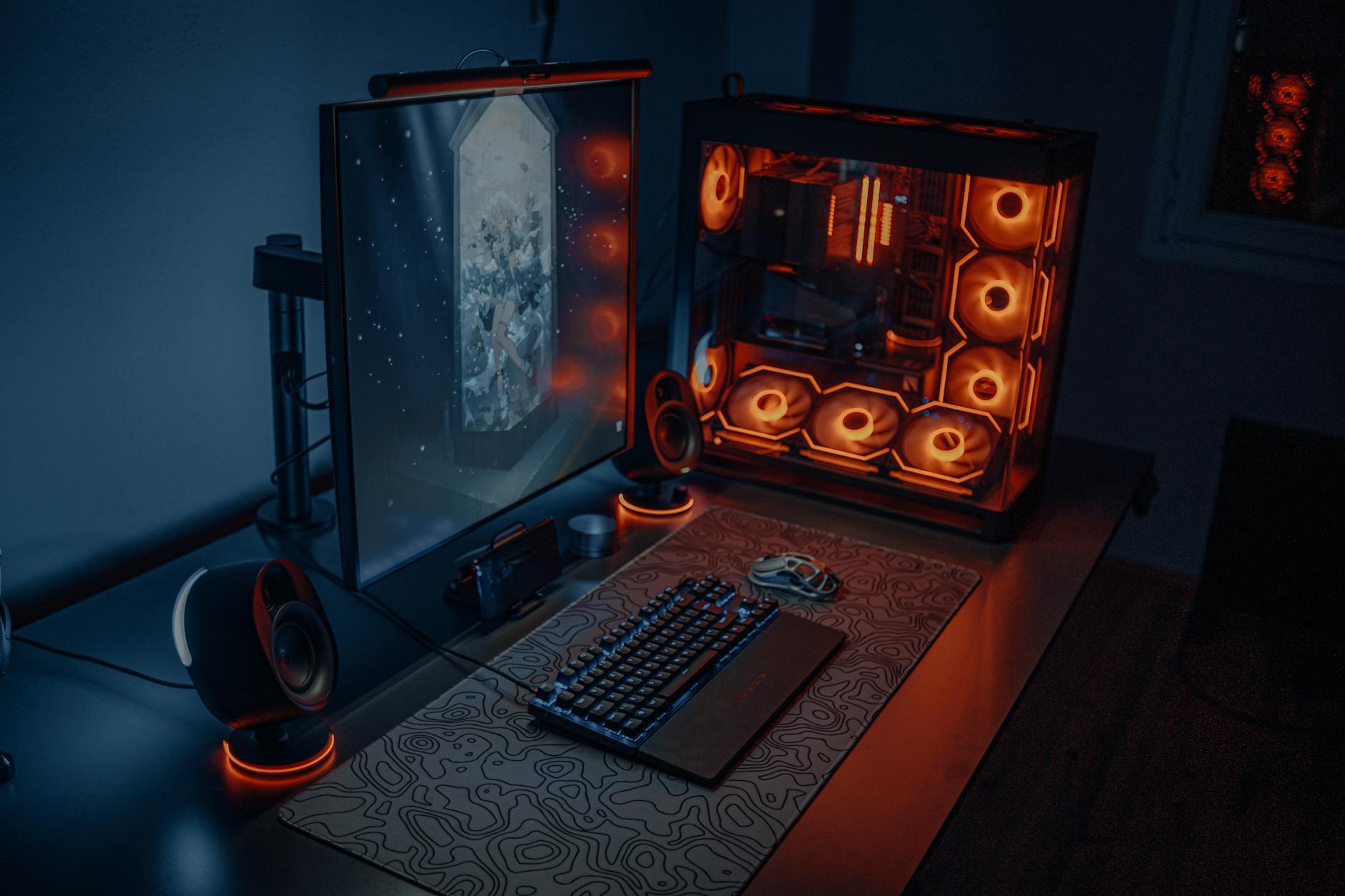
Memory Considerations and Future-Proofing
The VRAM debate defines much of this comparison. Modern games increasingly demand more than 8GB at high settings, particularly with texture packs and ray tracing enabled. The RX 7700 XT’s 12GB allocation provides breathing room for current and upcoming titles, while the 8GB RTX 4060 Ti may hit memory limitations sooner.
Recent releases like The Last of Us Part I, Hogwarts Legacy, and Resident Evil 4 have shown occasional stuttering on 8GB cards when pushing maximum settings. The 16GB RTX 4060 Ti variant addresses this concern but commands a significant price premium that often makes the RX 7700 XT more attractive.
Memory bus width also factors into long-term performance. The RX 7700 XT’s 192-bit bus compared to the RTX 4060 Ti’s 128-bit configuration provides more memory bandwidth for future games that may become increasingly memory-intensive. This architectural advantage could extend the AMD card’s relevance over time.
For builders considering high refresh rate displays, the choice becomes more complex. Pairing either card with fast DDR5 memory helps minimize CPU bottlenecks, but the RX 7700 XT’s raw performance advantage becomes more pronounced at higher refresh rates where DLSS benefits diminish.
Pricing and Value Proposition
Market pricing fluctuates regularly, but the RX 7700 XT typically offers better price-to-performance ratio in pure rasterization scenarios. AMD’s aggressive pricing strategy positions the card as the value champion for gamers who prioritize frame rates over ray tracing features.
The RTX 4060 Ti justifies its pricing through feature advantages: superior ray tracing, DLSS 3, better streaming capabilities with AV1 encoding, and generally lower power consumption. These benefits appeal to content creators and enthusiasts who value the complete package over raw performance metrics.
Both cards integrate well with modern system builds, though considerations around CPU pairing matter significantly. Matching either GPU with appropriate CPU hardware ensures balanced performance across different gaming scenarios.
Regional availability and manufacturer variants also influence real-world pricing. Custom cooled versions from partners like ASUS, MSI, and Sapphire often provide better thermal performance and overclocking headroom, though at higher price points.
The Verdict: Choose Your Gaming Philosophy
The RTX 4060 Ti vs RX 7700 XT comparison ultimately comes down to gaming priorities. AMD’s card delivers superior traditional performance and future-proofing through generous VRAM allocation. NVIDIA’s offering provides cutting-edge features, superior efficiency, and better ray tracing capabilities.
Gamers focused on maximum frame rates at 1440p should lean toward the RX 7700 XT. Its raw performance advantage translates to smoother gameplay in demanding titles without ray tracing enabled. The extra VRAM provides peace of mind for upcoming releases that may push memory requirements higher.
Those prioritizing visual fidelity, ray tracing, and advanced upscaling should consider the RTX 4060 Ti despite its performance deficit in traditional rendering. DLSS 3’s growing game support and superior ray tracing hardware create compelling advantages for visual enthusiasts.
Both cards represent excellent mid-range options that will handle 1440p gaming admirably for years to come. The competitive pressure between AMD and NVIDIA benefits consumers through improved performance and features at this crucial price segment. As new technologies emerge and game requirements evolve, either choice provides a solid foundation for modern PC gaming.
Frequently Asked Questions
Which is better for 1440p gaming, RTX 4060 Ti or RX 7700 XT?
RX 7700 XT typically delivers 5-15% better performance in traditional games, while RTX 4060 Ti excels with ray tracing and DLSS 3 features.
How much VRAM do these cards have?
RX 7700 XT includes 12GB GDDR6, while RTX 4060 Ti comes in 8GB and 16GB variants with the 16GB model costing significantly more.