CPU Bottlenecks at 1440p Ray Tracing: Does Chip Choice Actually Matter?
Ray tracing at 1440p sits in an uncomfortable middle ground for CPU testing. The workload is heavy enough that GPU saturation should theoretically minimize processor influence, but modern ray tracing pipelines – particularly in titles using path tracing or heavy BVH traversal – still send meaningful CPU-side workloads to the host processor. That creates a real question worth asking: when you pair the AMD Ryzen 5 9600X and Intel Core Ultra 5 245K with the same high-end GPU and run demanding ray tracing benchmarks at 1440p, does the choice between them produce outcomes worth paying attention to?
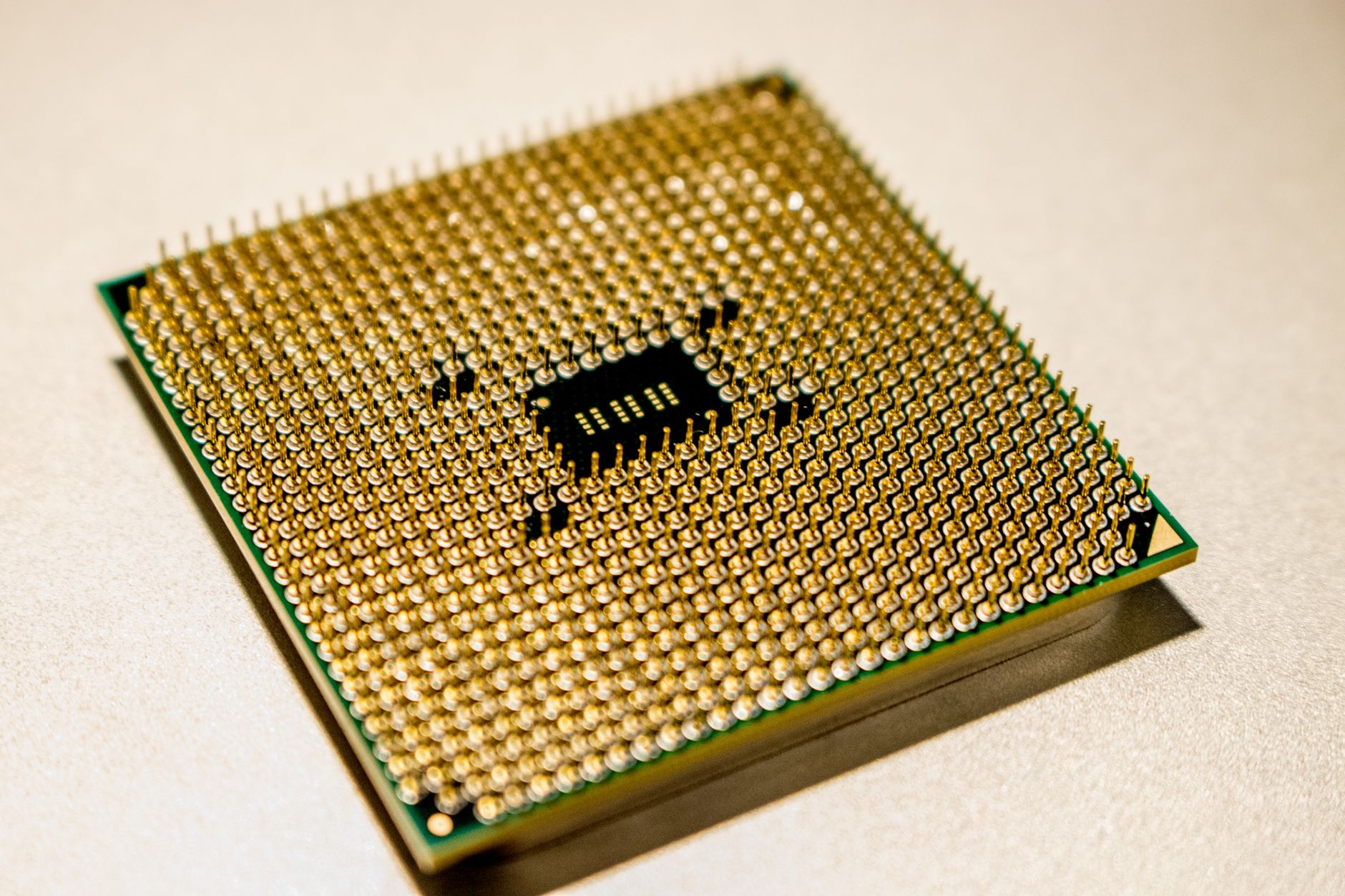
Both processors sit in the mid-to-upper mainstream tier. The Ryzen 5 9600X is a six-core, twelve-thread chip built on AMD’s Zen 5 architecture, shipping without integrated graphics and targeting efficient single-threaded performance. The Core Ultra 5 245K is Intel’s Arrow Lake offering at a similar price tier, carrying fourteen cores split between six Performance cores and eight Efficient cores, and representing Intel’s shift away from Hyperthreading on P-cores. On paper, Intel wins the core count argument. In practice, ray tracing workloads at 1440p tell a more complicated story.
Test Setup and Methodology
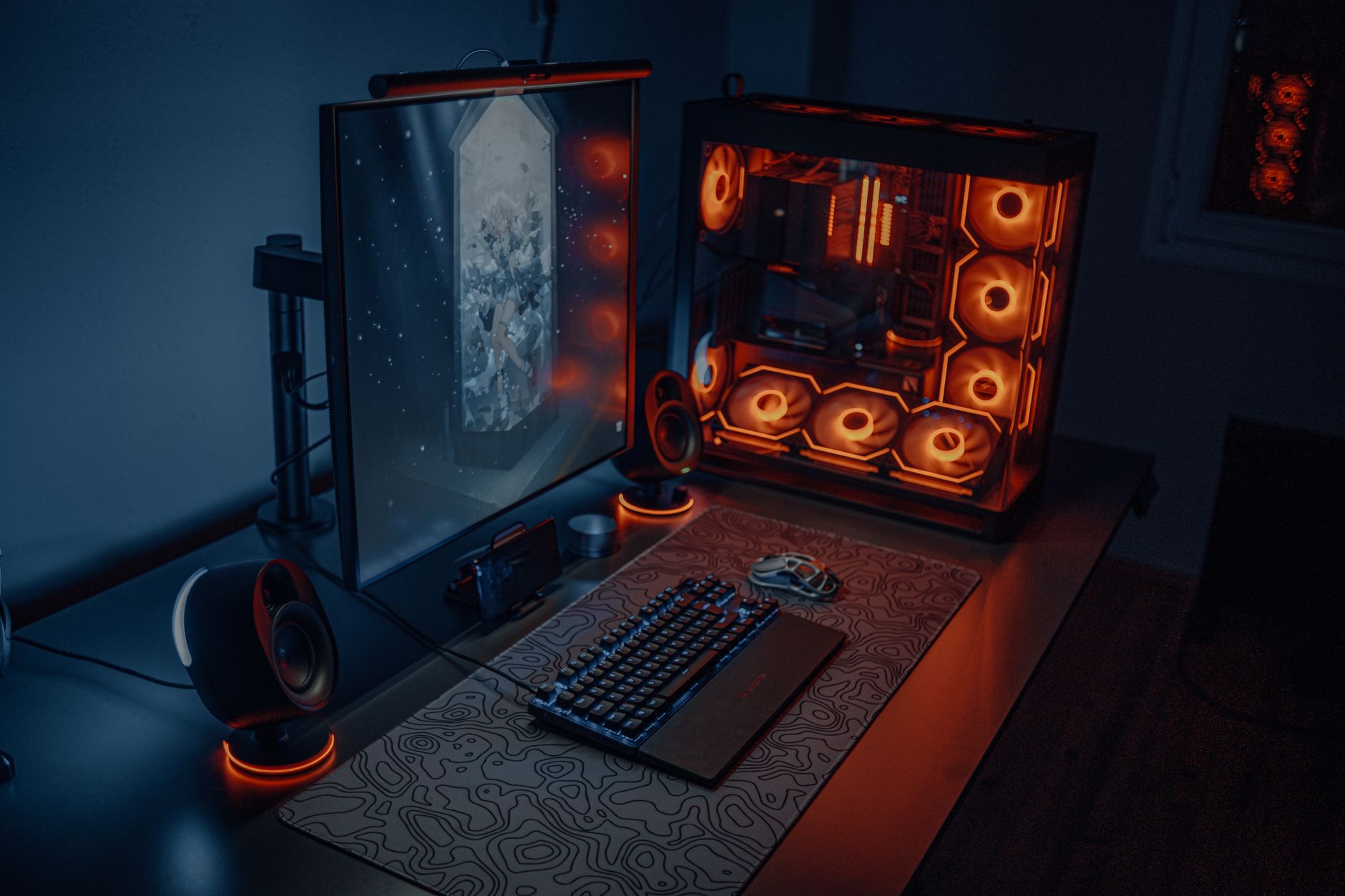
Both CPUs were paired with the same discrete GPU, running at stock settings with DDR5 memory configured to manufacturer-recommended speeds – DDR5-6000 on the AMD platform and DDR5-6400 on the Intel platform, reflecting each chip’s optimal memory configuration. Cooling was handled by a 360mm all-in-one liquid cooler on both systems to ensure neither chip was thermally throttled during extended benchmark runs. Operating system and driver versions were kept consistent across both platforms.
The game selection focused on titles with aggressive ray tracing implementations rather than simple shadow or reflection overlays. Cyberpunk 2077 with path tracing enabled, Alan Wake 2 using full ray tracing mode, and Metro Exodus Enhanced Edition formed the core of the test suite. These three titles are among the heaviest ray tracing workloads available on PC, and at 1440p they push GPU hardware hard enough that any CPU-side differences become genuinely readable rather than buried in measurement noise. Frame times were captured alongside raw averages to capture any stuttering behavior that average FPS figures tend to mask.
One-percent lows received particular attention throughout testing because ray tracing pipelines are notorious for producing frame time spikes rather than consistent throughput drops. A CPU that maintains smooth pacing under ray tracing load is often more valuable in practice than one that posts a higher average FPS but delivers inconsistent framing. Both chips were given extended warm-up periods before benchmark captures to avoid transient thermal behavior skewing results.
Where the Gap Appears – and Where It Doesn’t
Cyberpunk 2077 with path tracing active is the most GPU-limited scenario in the test suite, and predictably, both processors produced near-identical average frame rates in that title. The difference was within margin of error in most runs. Path tracing in that game hammers GPU ray accelerators so completely that the CPU’s primary job is feeding draw calls fast enough to stay out of the way – both chips handle that without issue.
Alan Wake 2 told a more interesting story. The game’s full ray tracing mode involves significant CPU-side scene management, and the Core Ultra 5 245K’s additional Efficient cores contributed to slightly better one-percent lows in extended outdoor sequences where the game streams geometry and lighting data simultaneously. The gap was not large – typically between three and seven frames per second on one-percent low figures – but it was consistent across multiple runs and likely reflects the 245K’s ability to offload background tasks to its E-core cluster without disrupting P-core rendering workloads.
Metro Exodus Enhanced Edition is a different animal. Its ray tracing implementation is older but the Enhanced Edition rebuild is CPU-aware in specific ways, particularly around asset streaming. The Ryzen 5 9600X performed comparably to the 245K in average frame rate terms but showed marginally cleaner frame time consistency in the underground tunnel sequences that stress CPU streaming hard. Zen 5’s improved per-core throughput appears to compensate for the raw core count deficit in workloads that are more single-threaded by nature.
Across all three titles, the average FPS difference between the two chips stayed within roughly five percent in either direction depending on the specific title and scene. Neither processor produced a clear, consistent win. What the results do confirm is that at 1440p with ray tracing active, CPU choice matters less for raw frame rate and more for frame time stability – and there the choice between these two chips comes down to which specific ray tracing implementation you spend most of your time in.
The Practical Takeaway for 1440p Ray Tracing Builds
If you are building specifically around GPU-limited ray tracing at 1440p and expecting to spend most of your time in path-traced or heavily ray-traced AAA titles, the performance gap between these two chips is narrow enough that platform cost and ecosystem considerations should drive the decision more than benchmark margins. AMD’s platform tends to offer longer socket longevity and lower total system cost when accounting for motherboard pricing. Intel’s platform offers better memory bandwidth headroom with DDR5-6400 support and the E-core architecture that could provide more breathing room as ray tracing pipelines grow more complex over the next few hardware generations.
The Ryzen 5 9600X is the better value pick when evaluated purely on what it delivers for the money in ray tracing contexts at 1440p. Its six Zen 5 cores outperform expectations given the core count gap, and in a GPU-saturated workload, the efficiency advantage translates to lower system power consumption without surrendering frame rate. The 245K is not a bad chip – its E-core advantage in multi-threaded background load scenarios is real – but it costs more, typically requires a more expensive motherboard, and the performance advantage it provides in ray tracing workloads at this resolution does not justify that premium for most buyers.
What keeps this comparison genuinely open rather than settled is the trajectory of ray tracing software. Current titles were largely designed around GPU-side BVH hardware, keeping CPU dependence relatively low. If the next generation of path-traced engines shifts more scene management or denoising work to the host CPU – a direction some engine developers have explored – the 245K’s core count advantage could become more meaningful. The Ryzen 5 9600X wins today’s ray tracing benchmark suite at 1440p on value terms. Whether Zen 5’s six cores remain sufficient when titles written for next-generation GPU architectures arrive is a question the current test suite cannot answer.