Mid-Range CPU Showdown for Creators
AMD’s Ryzen 7 9800X3D and Intel’s Core Ultra 7 265K sit at nearly the same price point, target similar buyers, and yet take fundamentally different architectural approaches – which makes content creation workloads the most interesting place to test them.
What These Chips Bring to the Table
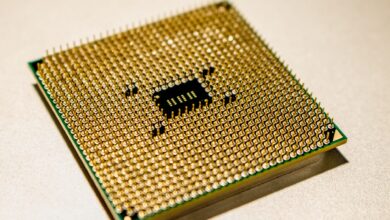
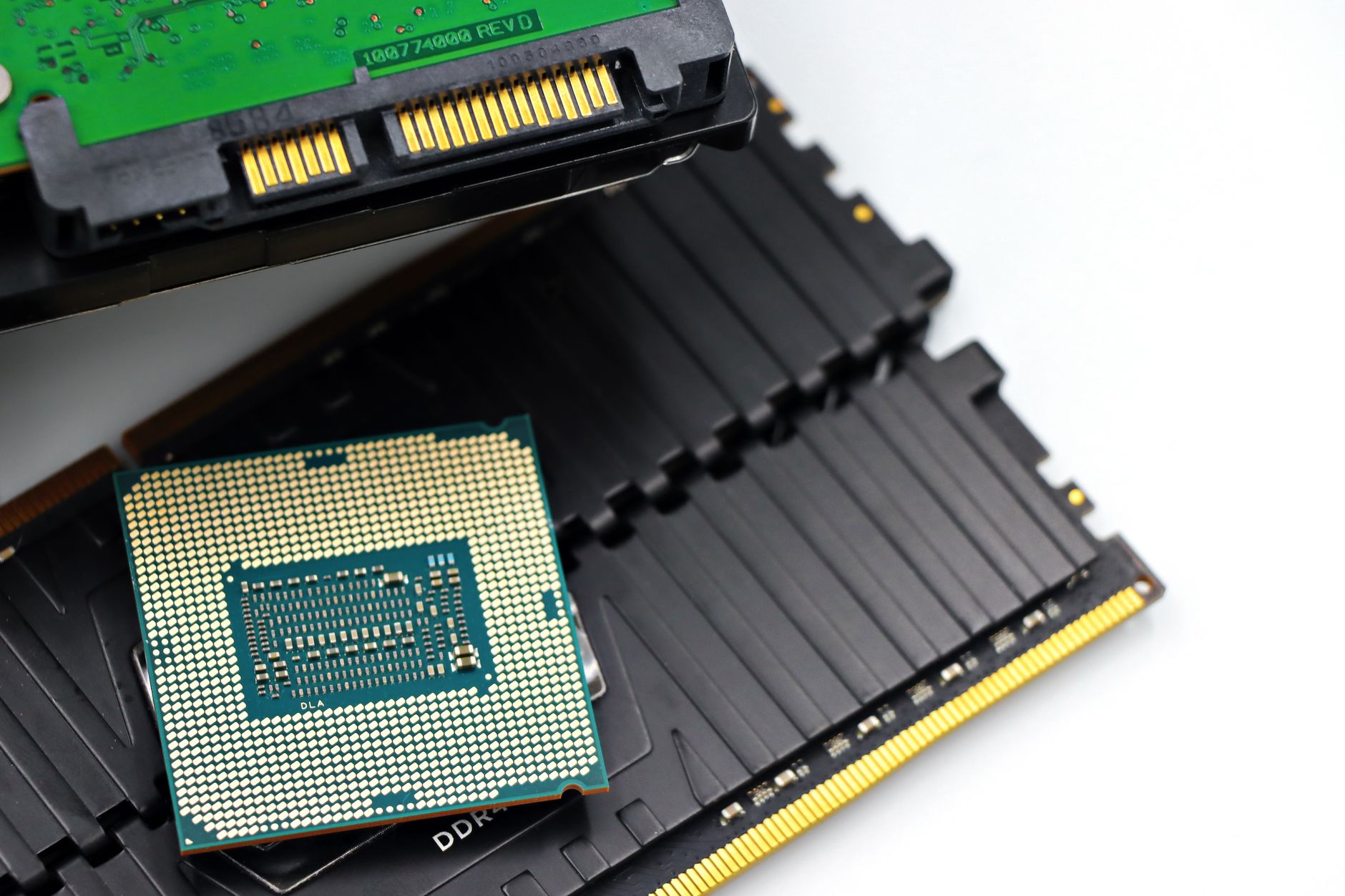
The Ryzen 7 9800X3D is an 8-core, 16-thread processor built on AMD’s Zen 5 architecture with 96MB of 3D V-Cache stacked on top of the compute die. That cache was originally designed to feed gaming workloads with data fast enough to stop the CPU from bottlenecking the GPU – but the same low-latency, high-bandwidth memory access has real implications for content creation tasks that cycle through large datasets repeatedly. AMD has been careful not to oversell the 9800X3D as a workstation chip, but the performance profile speaks for itself in the right applications.
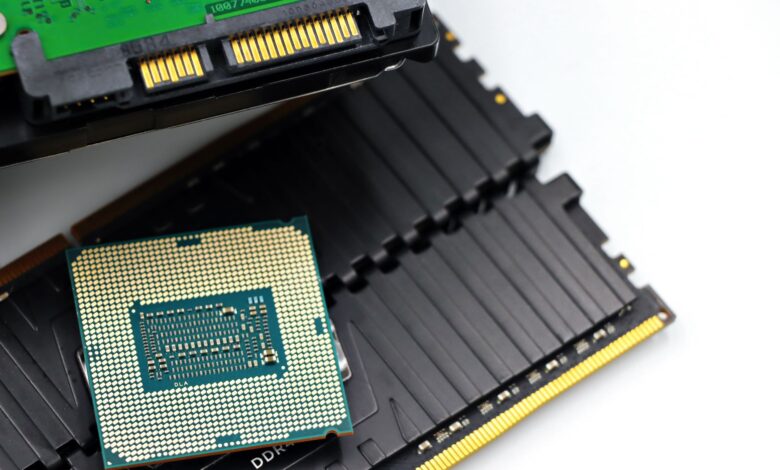
Intel’s Core Ultra 7 265K operates on a completely different philosophy. It uses a hybrid architecture with 8 Performance cores and 12 Efficient cores for a total of 20 cores and 28 threads. The P-cores handle demanding single-threaded and lightly threaded tasks, while the E-cores absorb background workloads and parallelizable operations. For content creation, that thread count advantage is not theoretical – multi-threaded rendering, background encoding, and simultaneous asset processing all benefit from having more execution units available, even if those units are slower individually.
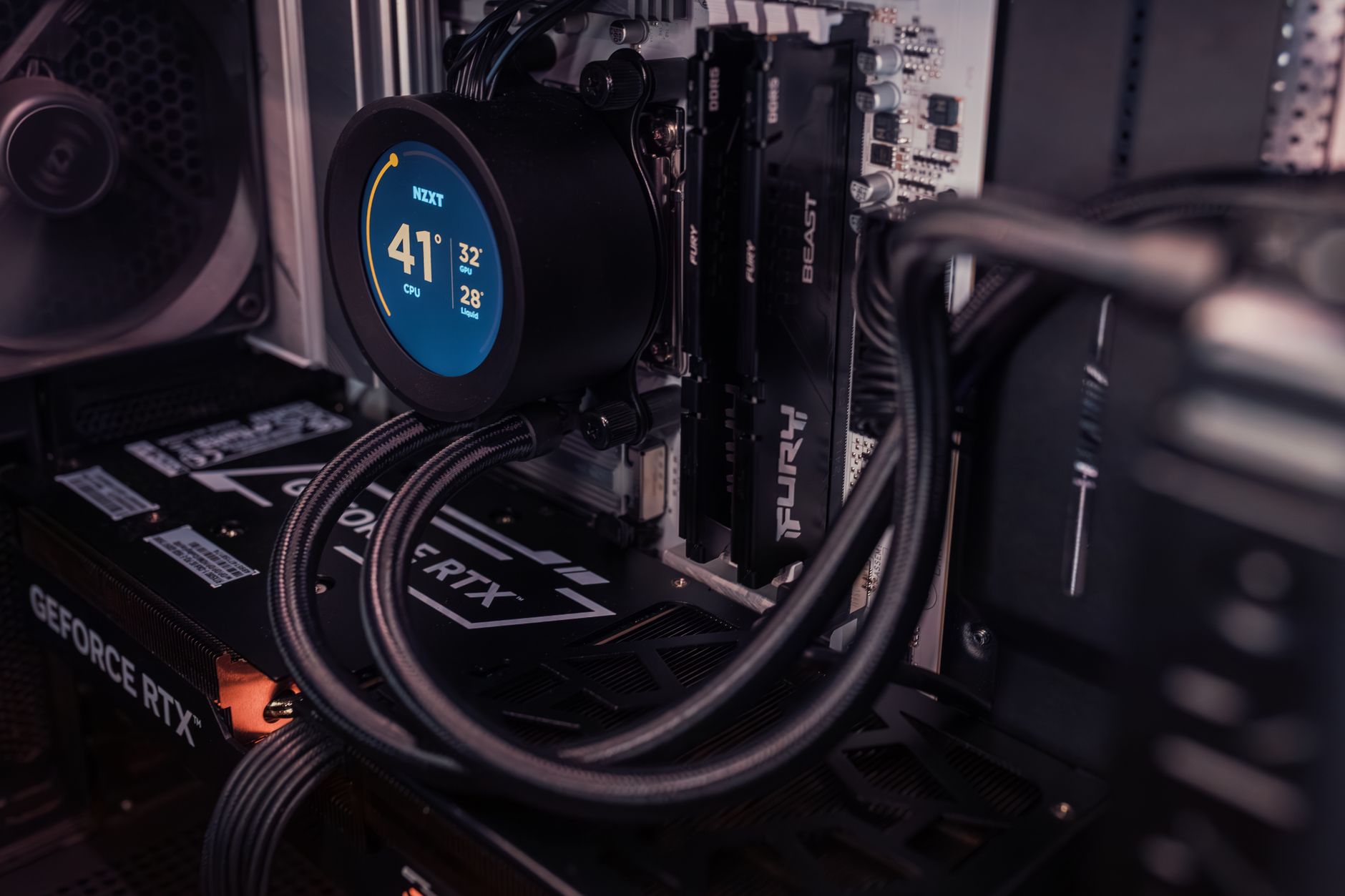
Power consumption separates them sharply. The 9800X3D has a 120W TDP and stays well below that in most real-world workloads, making it a genuinely cool and quiet chip even under sustained loads. The 265K is rated at 125W but regularly surges past 200W when all cores are pushed hard. That means builders pairing the 265K with a mid-range cooler or a compact case may hit thermal constraints that the 9800X3D simply never encounters. For a home office or small studio setup, this distinction matters more than benchmark sheets suggest.
Platform costs also differ. The 9800X3D drops into AM5, which supports DDR5 and will remain AMD’s socket through at least the next two CPU generations. The 265K uses LGA1851, Intel’s current-generation socket tied to the Z890 chipset. Both platforms are mature enough to offer a wide range of motherboard options at varying price points, but AM5’s longer roadmap gives the AMD build a slight future-proofing edge if you are planning to upgrade the CPU again in two years without swapping the whole board.

Content Creation Performance: Application by Application
In Blender, which remains the clearest test of raw multi-threaded CPU rendering throughput, the 265K holds a consistent advantage. More cores means faster render times on the CPU path, and in workloads like the Classroom and Monster scenes from the Blender benchmark suite, the 265K completes renders noticeably faster than the 9800X3D. For someone whose daily workflow centers on CPU rendering – animators working on personal projects without a dedicated render farm, for instance – this difference compounds across dozens of renders per week.
Video encoding tells a more complicated story. In Handbrake using x264 and x265 software encoding, the 265K again leads due to thread count. But the gap narrows significantly when looking at real-world export times in applications like DaVinci Resolve and Adobe Premiere Pro, where the software’s threading model, GPU offloading, and cache behavior all interact. The 9800X3D’s V-Cache gives it an edge in workloads that involve rapid sequential access to large timeline caches, and in Premiere’s export pipeline the difference between the two chips is often within a few percentage points. For YouTubers and video editors working in 4K H.264 or H.265, either chip handles the job without obvious pain points.
Photo editing in Adobe Lightroom Classic, which is notoriously responsive to single-core and cache performance, actually favors the 9800X3D. Lightroom’s export engine and catalog operations respond well to the Zen 5 architecture’s improved IPC and the V-Cache’s ability to keep working sets resident. Culling and developing large RAW batches feels perceptibly snappier on the 9800X3D, and for photographers who spend hours in Lightroom daily, that responsiveness advantage accumulates in a way that raw benchmark numbers underrepresent.
Cinebench R23 and R24 multi-core scores predictably favor the 265K. The 9800X3D scores competitively for an 8-core chip but cannot match 20 cores in a pure thread-count benchmark. Single-core scores are close, with the 9800X3D sometimes pulling slightly ahead thanks to Zen 5’s IPC improvements. These synthetic numbers are useful for understanding architectural headroom, but they map onto real workloads unevenly – which is why the Blender and Premiere results above matter more for purchase decisions.
Where the 9800X3D genuinely surprises is in workloads that combine content creation with gaming, which describes a large portion of the streaming and content creation community. A creator who records gameplay footage, edits it in Premiere, and plays games on the same machine gets a chip that handles all three jobs without compromise. The 265K is a strong gaming chip too, but the 9800X3D’s V-Cache architecture gives it a consistent edge in CPU-limited gaming scenarios – particularly at 1080p and 1440p where the GPU is less likely to be the bottleneck. If you want to understand how the X3D line stacks up at the higher end, the Ryzen 9 9950X3D vs Core Ultra 9 285K comparison at 1440p shows how the architecture scales with more cores.
Who Should Buy Which
If your workload is primarily CPU rendering in Blender, 3D animation, or heavy multi-threaded compilation, the 265K’s core count advantage translates directly into saved time, and saved time in a professional context translates into money. The power draw is the trade-off, not the performance. For everyone else – video editors, photographers, streamers, and creators who also game – the 9800X3D is the more versatile chip, and its lower power consumption makes it easier to build around without spending extra on cooling infrastructure.
At current retail pricing, the two chips land within roughly $20 to $30 of each other depending on the retailer and the week. That makes the decision almost entirely workload-driven rather than budget-driven. A pure creator who never touches a game should be looking at the 265K. A creator-gamer hybrid who switches between Premiere and their game library should pick the 9800X3D without much hesitation – and probably won’t miss the extra render cores when the exports finish and the gaming session starts.