
CD Projekt RED delivers another ambitious open-world RPG that pushes boundaries while learning from past mistakes. After spending 20 hours exploring the Northern Kingdoms as Ciri, The Witcher 4 emerges as a worthy successor that respects its predecessor’s legacy while carving its own path forward.
The transition from Geralt’s story to Ciri’s feels natural and earned. Players step into the boots of the former Child Surprise as a full witcher, complete with enhanced abilities that blend traditional Signs with her unique Elder Blood powers. The opening hours establish Ciri as a compelling protagonist dealing with the weight of her destiny while forging her own identity as a monster hunter.

A World Transformed by Choice
The Northern Kingdoms have evolved significantly since The Witcher 3’s conclusion. Political tensions simmer between Redania and Temeria while new threats emerge from the south. CD Projekt RED has crafted a world that feels both familiar and fresh, where previous choices echo through environmental storytelling and NPC dialogue.
Exploration rewards curiosity with meaningful discoveries rather than checkbox collectibles. Ancient ruins hide fragments of Elder Blood lore that unlock new abilities for Ciri. Monster nests tell environmental stories about how ecosystems have shifted in the years following the Wild Hunt’s defeat. Each region feels distinct, from the war-torn borderlands of Temeria to the mystical forests where reality bends around sources of magical power.
The dynamic weather system impacts gameplay meaningfully. Thunderstorms amplify Ciri’s teleportation abilities while fog provides cover for stealth approaches. Seasonal changes affect monster behavior and available contracts, encouraging multiple visits to familiar locations.
Combat Evolution and Elder Blood Mastery
Combat builds upon The Witcher 3’s foundation while introducing mechanics that feel uniquely suited to Ciri’s abilities. Her teleportation creates tactical opportunities unavailable to Geralt, allowing players to blink behind enemies or escape dangerous situations with precise timing.
The Elder Blood skill tree offers compelling progression paths. Players can specialize in temporal manipulation, dimensional travel, or elemental mastery. Each branch provides distinct playstyles – temporal builds focus on slowing time and predicting enemy movements, while dimensional specialists excel at crowd control and positioning.
Traditional Signs return with modifications reflecting Ciri’s training. Igni manifests as concentrated energy blasts rather than flame streams. Quen creates protective barriers that can be weaponized against attackers. These familiar tools feel fresh in Ciri’s hands while maintaining the tactical depth witcher combat demands.
Monster encounters showcase improved AI and varied attack patterns. Wraiths phase between dimensions, forcing players to adapt their strategies mid-fight. Griffin aerial attacks require precise timing to counter, while ground-based creatures like nekkers coordinate pack tactics that challenge traditional approaches.
Narrative Depth and Character Development
The writing demonstrates CD Projekt RED’s continued mastery of character-driven storytelling. Ciri’s personal journey explores themes of identity, responsibility, and the burden of inherited power. Her relationships with familiar faces like Dandelion and Triss feel authentic while new characters bring fresh perspectives to established lore.
Side quests maintain the series’ reputation for meaningful storytelling. A contract to investigate missing villagers evolves into a complex tale involving Scoia’tael refugees and Nilfgaardian politics. Another questline explores the aftermath of the Conjunction of the Spheres through the eyes of a scholarly mage documenting dimensional anomalies.
The dialogue system offers more nuanced choices than previous entries. Ciri can leverage her royal bloodline, witcher training, or supernatural abilities in conversations, creating multiple solution paths for complex situations. These choices impact both immediate outcomes and long-term story development.
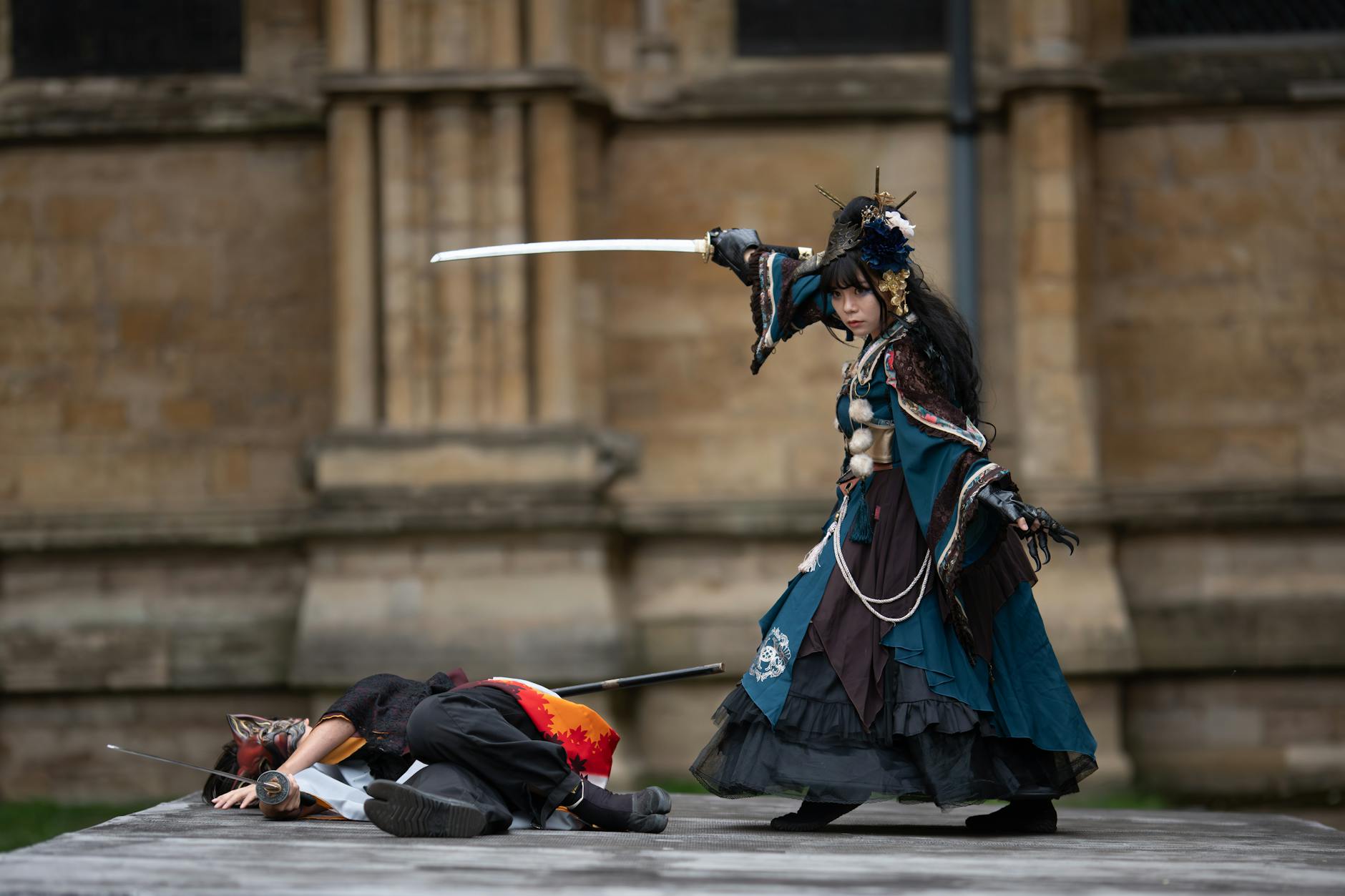
Romance options feel organic to character development rather than checkbox features. Potential relationships develop naturally through shared experiences and meaningful conversations. The writing avoids the awkward pacing issues that occasionally plagued earlier entries in favor of believable emotional progression.
Technical Performance and Visual Fidelity
The REDengine reaches new heights with improved lighting, texture work, and environmental detail. Character facial animations during dialogue sequences rival the best in the industry. Ciri’s expressions convey subtle emotions that enhance story beats without relying on exposition.
Performance on PC demonstrates lessons learned from Cyberpunk 2077’s launch. Frame rates remain stable during intense combat encounters and busy market scenes. Loading times between regions feel reasonable, though fast travel occasionally stutters on older hardware configurations.
The user interface streamlines inventory management while preserving the depth RPG enthusiasts expect. Crafting systems integrate smoothly with exploration rewards. The meditation system returns with quality-of-life improvements that respect player time while maintaining immersion.
Minor technical issues persist in early access. Occasional audio desyncing during cutscenes and texture pop-in during rapid teleportation sequences remind players this remains a work in progress. These issues feel manageable compared to CD Projekt RED’s previous launch experiences.
Looking Forward to Full Release
Twenty hours reveals a game that understands its strengths while addressing series weaknesses. The transition to Ciri feels earned rather than forced, opening narrative possibilities that extend beyond Geralt’s concluded arc. Combat improvements create tactical depth without sacrificing accessibility.
Similar to how other major RPG franchises have evolved their combat systems, The Witcher 4 demonstrates thoughtful iteration rather than wholesale reinvention. The foundation appears solid for what could become another genre-defining experience when it reaches full release.

The early access period suggests CD Projekt RED has learned valuable lessons about managing player expectations while delivering ambitious open-world experiences. The Witcher 4 feels poised to honor its predecessor’s legacy while establishing Ciri as a worthy successor to carry the franchise forward into its next chapter.
Frequently Asked Questions
Is The Witcher 4 early access worth playing?
Yes, the 20-hour experience showcases solid combat improvements and compelling narrative development despite minor technical issues.
How does Ciri play differently from Geralt?
Ciri’s Elder Blood abilities add teleportation and temporal manipulation mechanics that create unique tactical opportunities in combat and exploration.