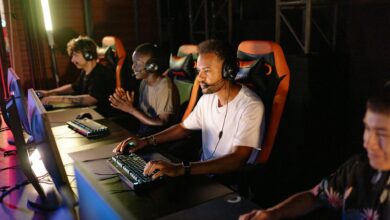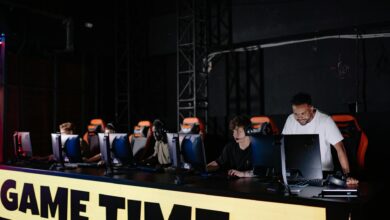
Counter-Strike 2’s arrival has forced professional teams to completely overhaul training methodologies that worked for over a decade in CS:GO. The shift from Source to Source 2 engine brought subtle but crucial changes to movement mechanics, smoke dynamics, and weapon behavior that rendered traditional practice routines obsolete.
Major organizations like FaZe Clan, NAVI, and G2 Esports have quietly revolutionized their preparation strategies over the past year. What worked in CS:GO’s predictable environment no longer translates to consistent performance in Counter-Strike 2’s more dynamic gameplay landscape.

Data-Driven Analysis Replaces Intuition-Based Training
Professional Counter-Strike 2 teams now rely heavily on advanced statistical analysis to guide training decisions. Organizations invest in dedicated analysts who break down every round, tracking micro-movements, crosshair placement accuracy, and reaction times with precision impossible in CS:GO’s era.
Teams like Astralis pioneered this approach, but now every top-tier organization employs similar methods. Training sessions focus on specific statistical weaknesses rather than general skill improvement. If data shows a player’s spray control deteriorates after round 20, training sessions simulate high-pressure late-game scenarios repeatedly.
The shift represents a fundamental change from CS:GO’s muscle memory approach. Players spend hours in custom maps designed to replicate exact angles and timings from recent matches. These maps incorporate Counter-Strike 2’s updated physics engine, ensuring practice translates directly to competitive play.
Modern training software tracks thousands of data points per session. Teams analyze crosshair placement heat maps, movement patterns, and decision-making speed under pressure. This granular approach identifies improvement areas that traditional demo reviews missed entirely.
Movement Mechanics Force Complete Skill Reset
Counter-Strike 2’s subtly different movement mechanics have forced professional players to relearn fundamental skills. The Source 2 engine processes player movement with different timing than CS:GO, affecting everything from counter-strafing to jump timing.
Professional teams now dedicate significant training time to movement drills that seem basic but are actually highly technical. Players practice counter-strafing for hours, learning the precise timing differences between engines. What felt natural in CS:GO requires conscious adjustment in Counter-Strike 2.
Peeking angles requires different timing. The micro-second differences in acceleration and deceleration change when players become visible to opponents. Teams spend entire practice sessions perfecting these fundamentals, treating them as advanced techniques rather than basic skills.

The impact extends beyond individual mechanics to team coordination. Synchronized executions that worked flawlessly in CS:GO now require timing adjustments. Teams practice basic site takes repeatedly, rebuilding muscle memory for the new engine’s physics system.
Smoke and Utility Usage Demands New Strategic Approaches
Counter-Strike 2’s dynamic smoke system revolutionized tactical preparation. Smokes now react to environment and gunfire, creating situations impossible in CS:GO’s static smoke mechanics. Professional teams completely restructured their tactical playbooks around these changes.
Training sessions now include “smoke adaptation drills” where teams practice adjusting strategies mid-round based on smoke behavior. Players learn to read smoke density and adjust positioning accordingly. The dynamic nature means memorized smoke lineups, while still important, no longer guarantee consistent results.
Teams employ specialized coaches who focus exclusively on utility usage in Counter-Strike 2. These coaches study how environmental factors affect smoke spread and teach players to adapt tactics in real-time. The complexity requires dedicated practice time that didn’t exist in CS:GO.
Flash and grenade physics also changed subtly, requiring teams to re-practice coordinated executions. Professional players spend hours perfecting pop-flashes that account for Counter-Strike 2’s updated physics calculations. Small changes in timing or positioning can determine round outcomes.
Mental Resilience Training Addresses Adaptation Pressure
The transition to Counter-Strike 2 created unprecedented mental pressure for professional players. Careers built on CS:GO expertise suddenly required fundamental relearning. Teams now incorporate sports psychology and mental resilience training into regular practice schedules.
Professional organizations hire mental performance coaches who help players manage adaptation stress. The psychological challenge of relearning basic skills while maintaining competitive performance requires specialized support. Players report feeling like beginners despite years of professional experience.
Training schedules now include dedicated time for stress management and confidence building. Teams practice mindfulness techniques and visualization exercises specifically designed for high-pressure competitive gaming. This mental training aspect was largely ignored during CS:GO’s era.

The streaming revenue trends affecting professional gaming, as discussed in recent industry analysis, add additional pressure. Players must maintain entertaining content while adapting to Counter-Strike 2’s demands, creating dual performance pressures that require careful management.
Looking Forward: The New Professional Standard
Counter-Strike 2’s impact on professional training extends beyond mechanical adaptation. Teams are establishing new standards for preparation, analysis, and skill development that will define competitive gaming for years ahead.
The integration of advanced analytics, movement retraining, tactical adaptation, and mental performance coaching creates a holistic approach to professional gaming preparation. Organizations investing in these comprehensive training methods are already showing competitive advantages over teams clinging to traditional CS:GO-era approaches.
As Counter-Strike 2 continues evolving through updates, professional teams must maintain this adaptive training philosophy. The days of static practice routines are over, replaced by dynamic preparation methods that match the game’s evolving nature. This transformation represents the maturation of esports training methodology, setting new standards for professional competitive gaming across all titles.
Frequently Asked Questions
Why did Counter-Strike 2 force teams to change training methods?
The Source 2 engine brought subtle changes to movement, smoke dynamics, and weapon behavior that made CS:GO training obsolete.
What new training techniques do professional CS2 teams use?
Teams now use advanced statistical analysis, movement retraining drills, dynamic tactical preparation, and mental performance coaching.