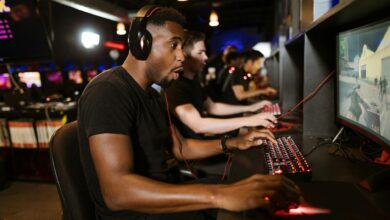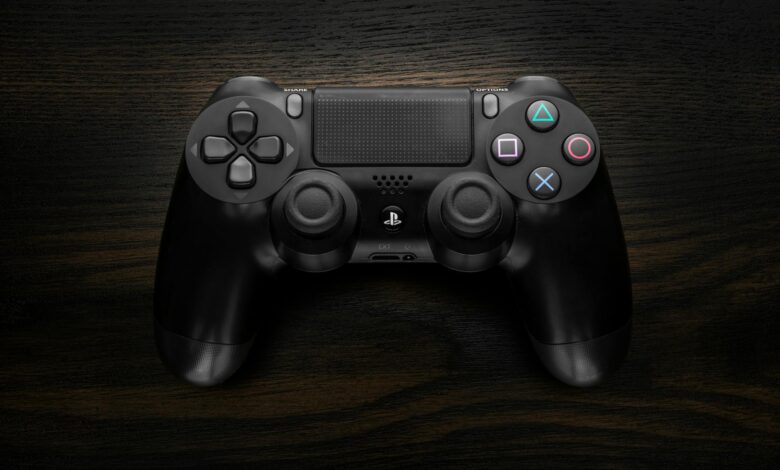
The sound of button mashing that once defined fighting game tournaments is gradually being replaced by the soft clicks of game controllers. After decades of arcade stick dominance, major fighting game events are witnessing a quiet revolution as professional players increasingly abandon their traditional joysticks for standard console controllers.
This shift represents more than just personal preference – it signals a fundamental change in how the fighting game community approaches competition. From Street Fighter to Tekken tournaments, players who once swore by arcade sticks are now claiming victories with PlayStation and Xbox controllers, challenging long-held beliefs about what equipment gives competitors the edge.
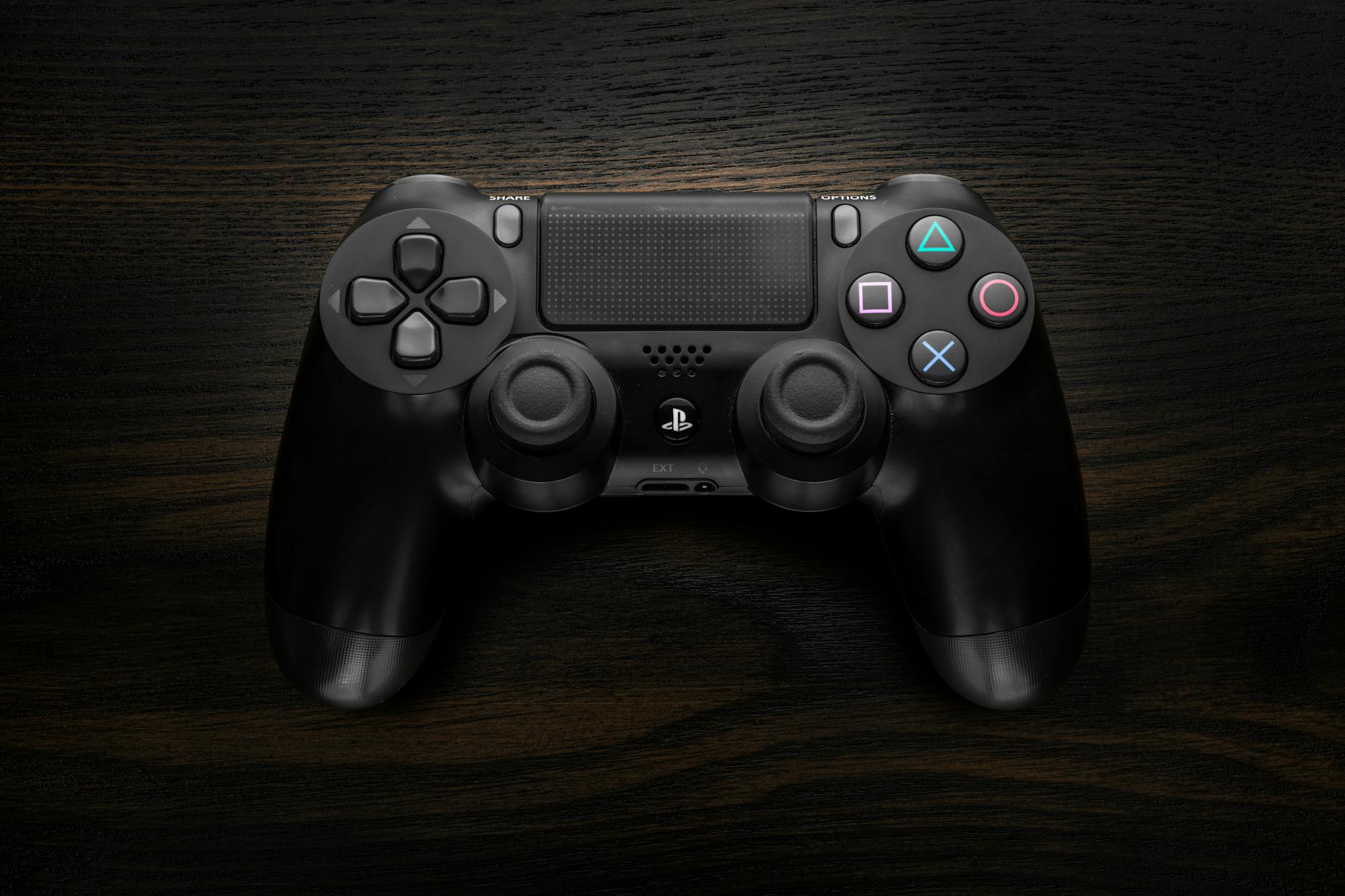
The Controller Advantage in Modern Fighting Games
Modern fighting games have evolved beyond the limitations that once made arcade sticks essential. Today’s controllers offer precision that rivals traditional arcade hardware, while providing several distinct advantages that tournament players are beginning to embrace.
Portability stands as perhaps the most practical benefit. Professional fighting game players travel constantly between tournaments, and lugging around a bulky arcade stick creates logistical headaches. Controllers slip easily into carry-on bags, eliminate airline restrictions, and reduce the risk of equipment damage during transit.
The precision argument that long favored arcade sticks has also weakened considerably. Current-generation controllers feature responsive D-pads and analog sticks that can execute complex inputs with remarkable accuracy. Games like Street Fighter 6 and Tekken 8 have been designed with controller users in mind, implementing input buffers and timing windows that accommodate different control methods equally well.
Cost considerations play a significant role too. High-quality arcade sticks can cost several hundred dollars, while tournament-grade controllers are available for under $100. For younger players breaking into the competitive scene, this price difference can determine whether they can afford to compete seriously.
Professional Players Leading the Change
Several high-profile tournament victories have accelerated the controller adoption trend. Notable players have claimed major tournament victories using standard controllers, proving that arcade sticks don’t guarantee superior performance.
The psychological impact of these victories cannot be understated. When respected players succeed with controllers at events like EVO or Combo Breaker, it gives other competitors permission to experiment with different control methods. This creates a cascading effect where more players feel comfortable making the switch.
Training efficiency also favors controllers for many players. Most fighting game enthusiasts practice at home on consoles rather than arcade machines, making controllers the more familiar option. This familiarity translates into more consistent performance under tournament pressure, as players don’t need to adjust their muscle memory between practice and competition.
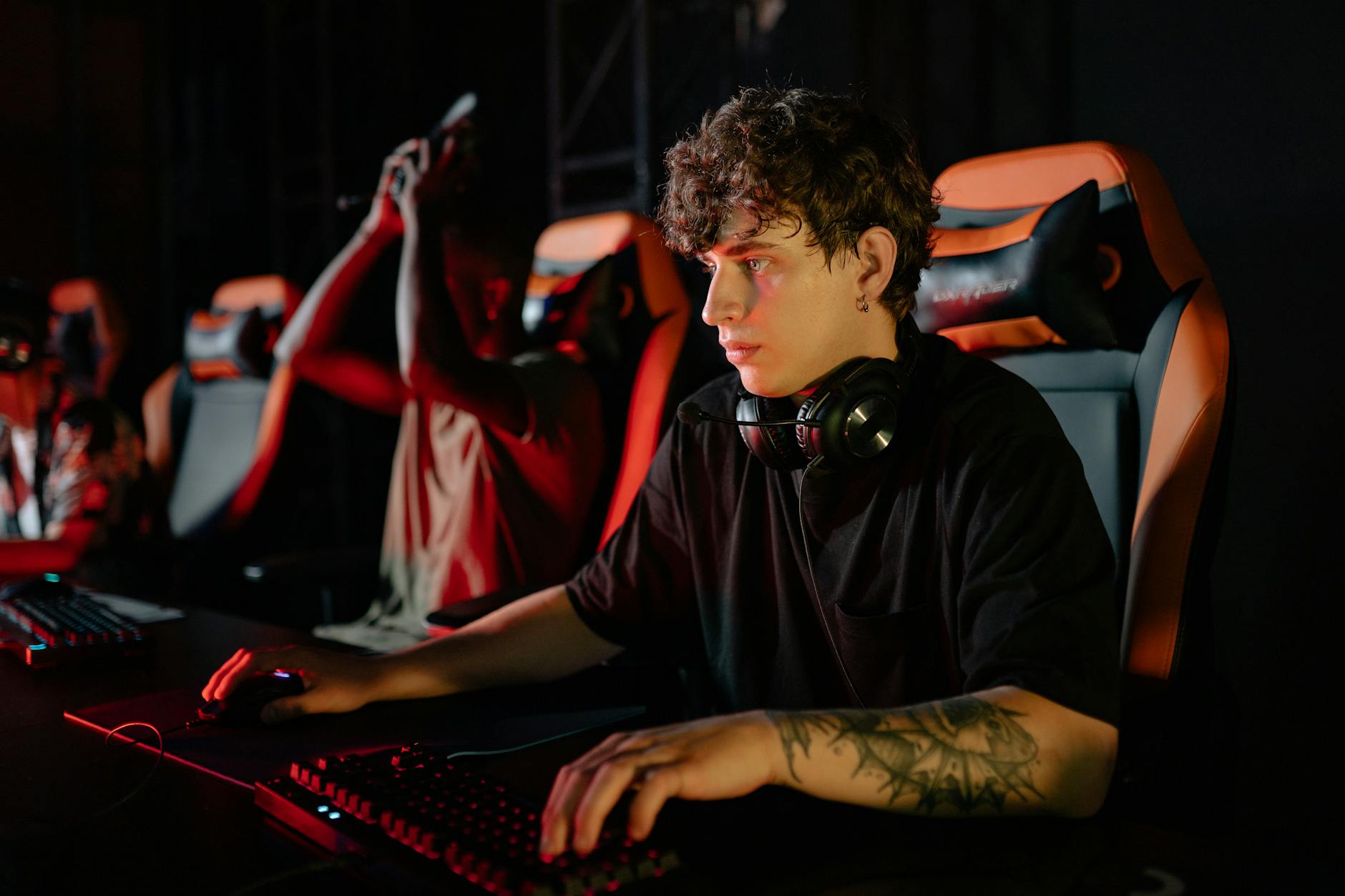
The rise of online tournaments during recent years further normalized controller usage. Major events broadcast globally featured top players competing from home setups using controllers, demonstrating their viability at the highest levels of play. This visibility helped break down the stigma that controllers were somehow inferior for serious competition.
Tournament Infrastructure Adapts
Tournament organizers are responding to this shift by adjusting their event infrastructure. Venues that once required extensive arcade stick setups are now accommodating controller preferences, often providing charging stations and backup controllers for participants.
This adaptation extends to streaming and broadcast production as well. Camera angles and player shots now account for controller usage, and commentators have adjusted their analysis to focus on execution and strategy rather than the romanticism traditionally associated with arcade stick play.
The standardization benefits extend beyond individual comfort. Controllers reduce setup time between matches, as players don’t need to unplug and reconnect arcade sticks. This efficiency improvement helps tournaments run on schedule and reduces technical delays that can disrupt broadcast timing.
Some tournament series have even begun providing standardized controllers as part of their equipment offerings, similar to how they provide gaming monitors and consoles. This approach ensures consistency across all participants and eliminates potential hardware advantage disparities.
Community and Cultural Shifts
The fighting game community’s acceptance of controllers represents a broader cultural evolution within competitive gaming. Traditional barriers between arcade culture and home gaming continue to dissolve as new generations of players enter the scene without the historical attachment to arcade hardware.
Social media has amplified this change, with players sharing controller techniques and setups that were once considered unconventional. YouTube tutorials and Twitch streams regularly feature high-level play using controllers, normalizing their use for aspiring competitors.
The shift also reflects practical changes in how people discover fighting games. Most new players encounter these games through console releases or PC platforms rather than arcade machines. Starting with controllers feels natural for this demographic, and they see no reason to switch to arcade sticks when controllers serve their needs effectively.
This mirrors broader trends in how esports athletes are managing mental health and burnout, as players prioritize comfort and sustainability over traditional expectations.
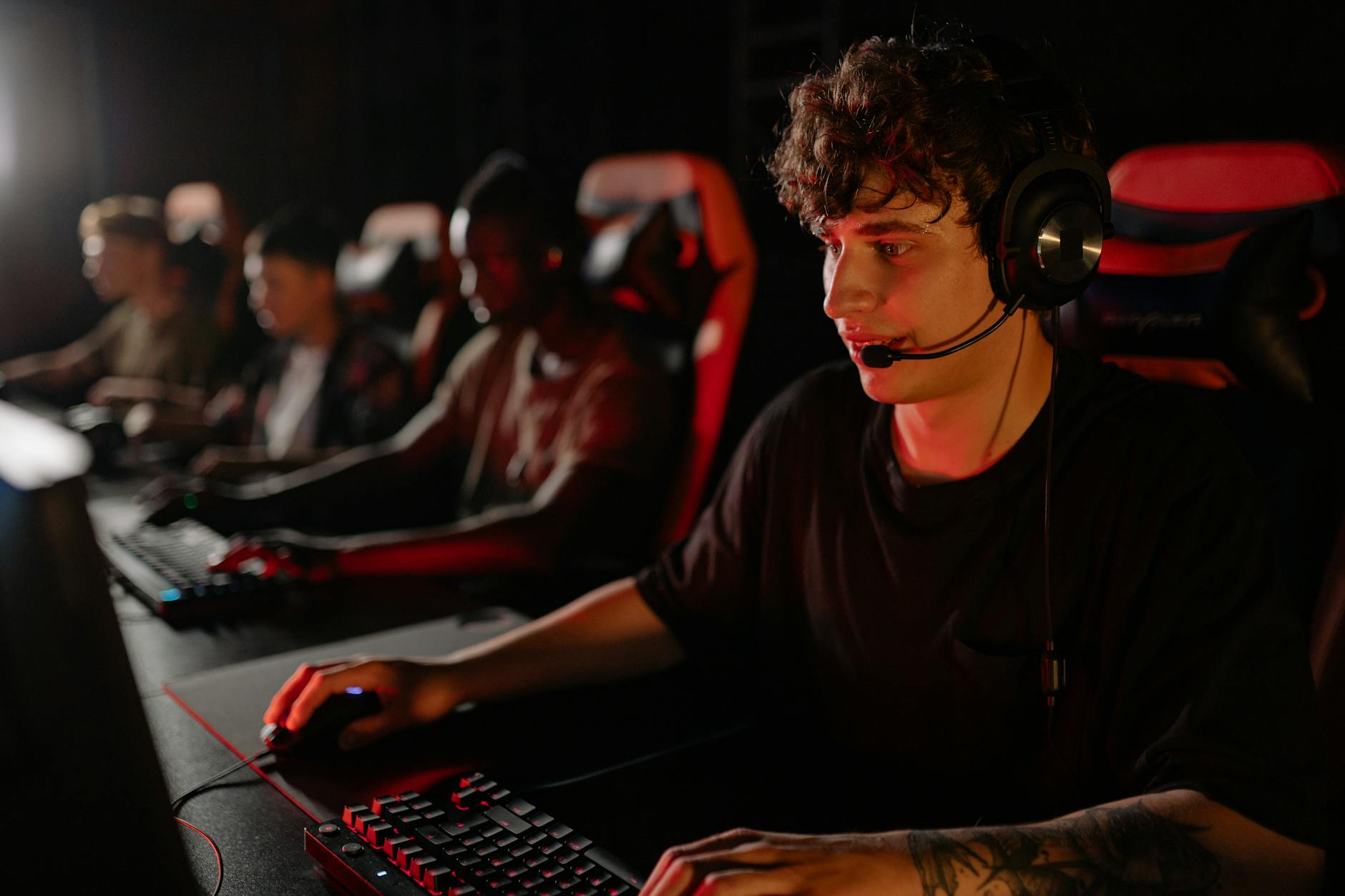
Looking Toward the Future
The trend toward controller adoption in fighting game tournaments appears irreversible. As game developers continue optimizing their titles for multiple input methods and younger players enter the competitive scene, controllers will likely become the dominant choice within the next few years.
This evolution doesn’t spell the end of arcade sticks entirely. Many veteran players will continue using them out of preference and familiarity, and certain games may still favor stick input for specific techniques. However, the days when arcade sticks were considered mandatory for serious competition are clearly ending.
Tournament organizers and sponsors are already adjusting their strategies to accommodate this shift. Equipment partnerships increasingly focus on controller technology rather than arcade hardware, and venue requirements are being reassessed to support the changing needs of competitive players.
The fighting game community’s embrace of controllers ultimately reflects its maturity and adaptability. By prioritizing performance over tradition, players are ensuring the scene remains accessible to new competitors while maintaining the high level of play that makes tournaments exciting to watch. This practical approach positions fighting game esports for continued growth as barriers to entry continue falling.
Frequently Asked Questions
Are controllers really as good as arcade sticks for fighting games?
Modern controllers offer precision that rivals arcade sticks, with many tournament wins proving their competitive viability.
Why are tournament players switching to controllers?
Controllers offer better portability, lower costs, and match the equipment most players use for practice at home.