Gaming laptops have shattered the performance ceiling that once separated them from desktop powerhouses. The gap between portable and stationary gaming rigs has narrowed to mere percentage points, marking a pivotal shift in PC gaming.
For decades, serious gamers faced a stark choice: accept compromised performance for portability or commit to a desktop tower for maximum power. That era is ending. Modern gaming laptops now deliver frame rates that match or exceed desktop systems from just two years ago, while maintaining surprisingly manageable thermals and battery life.
The transformation stems from breakthrough advances in mobile processor architecture, revolutionary cooling solutions, and display technology that finally does justice to high-end graphics cards. Major manufacturers have invested billions in closing the desktop-laptop divide, and the results speak volumes through benchmark scores that would have seemed impossible in portable form factors.

Mobile Processors Break Free from Power Constraints
The heart of this revolution lies in mobile processor design. Intel’s latest mobile processors and AMD’s Ryzen mobile chips now feature the same core architectures as their desktop counterparts, with power management that intelligently scales performance based on thermal headroom.
Intel’s mobile processors utilize advanced manufacturing processes that pack more transistors into smaller spaces while generating less heat per operation. These chips can boost to desktop-level clock speeds when thermal conditions allow, then throttle intelligently to maintain sustained performance without overheating.
AMD’s approach focuses on efficiency optimization, delivering exceptional performance per watt. Their mobile processors often match desktop performance while consuming significantly less power, extending battery life during lighter workloads and reducing heat generation during gaming sessions.
The real breakthrough comes from dynamic power allocation between CPU and GPU. Modern gaming laptops can shift power budgets based on game requirements, sending more juice to the graphics card during GPU-intensive scenes while maintaining CPU performance for physics calculations and AI processing.
Memory subsystems have evolved alongside processors. DDR5 memory in gaming laptops now offers bandwidth that exceeds many desktop configurations from previous generations, eliminating bottlenecks that once hampered laptop performance.
Graphics Cards Achieve Desktop Parity
Mobile graphics cards represent the most dramatic advancement in laptop gaming capability. NVIDIA’s mobile RTX series and AMD’s mobile graphics solutions now feature the same GPU cores as desktop variants, with clock speeds that approach or match desktop performance levels.
The RTX 4070 mobile variant exemplifies this trend, delivering frame rates within 5-10% of desktop RTX 4070 cards in most games. This performance gap becomes negligible when considering the convenience and space-saving benefits of laptop gaming. The best RTX 4070 graphics cards for 1440p gaming demonstrate how modern mobile GPUs handle demanding resolutions with ease.
Memory configurations in mobile graphics cards have reached desktop standards. High-end gaming laptops now ship with graphics cards featuring 8GB, 12GB, or even 16GB of VRAM, matching desktop counterparts and ensuring smooth performance at high resolutions with maximum texture quality.
Advanced GPU boost technologies allow mobile graphics cards to opportunistically increase clock speeds when thermal and power conditions permit. These boost algorithms can push mobile GPUs beyond their base specifications, sometimes exceeding desktop performance in well-cooled laptop chassis.
Ray tracing performance in mobile GPUs has achieved remarkable parity with desktop cards. Modern gaming laptops can enable ray tracing features in demanding titles while maintaining playable frame rates, a capability that seemed impossible in portable systems just three years ago.
Revolutionary Cooling Keeps Performance Consistent
Thermal management breakthroughs enable sustained high performance that rivals desktop systems. Vapor chamber cooling, once exclusive to high-end desktop graphics cards, now appears in premium gaming laptops, spreading heat efficiently across larger surface areas.
Liquid metal thermal interfaces replace traditional thermal paste in many gaming laptops, improving heat transfer between processors and cooling solutions by significant margins. These materials maintain their thermal properties longer than conventional compounds, ensuring consistent performance over the laptop’s lifespan.
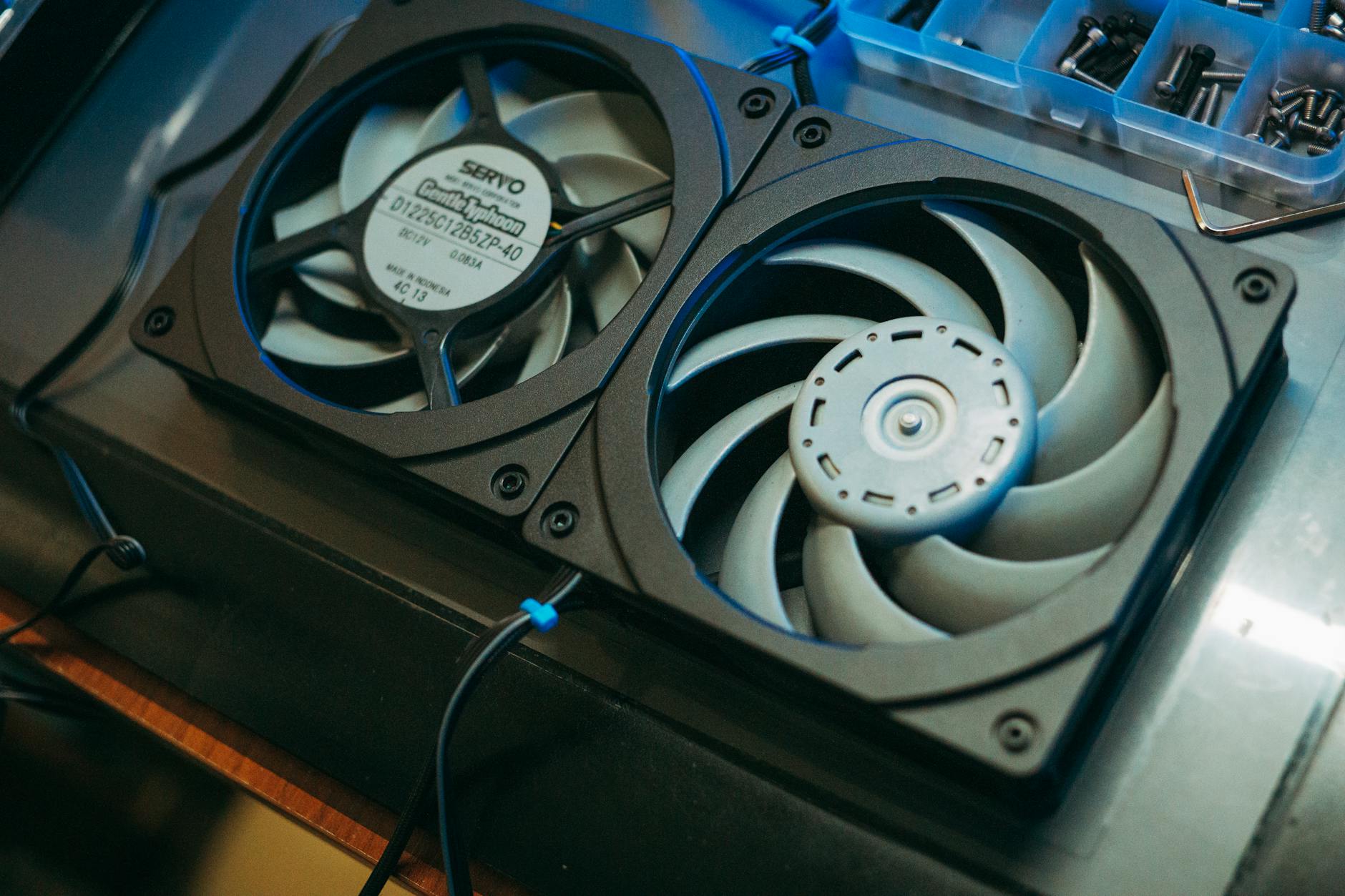
Advanced fan designs with optimized blade geometries move more air while generating less noise. Some manufacturers employ dual-fan configurations with independent speed controls, allowing precise thermal management for different components without excessive noise generation.
Intelligent thermal management software monitors component temperatures in real-time, adjusting fan curves, power limits, and boost frequencies to maintain optimal performance. These systems learn user preferences and game requirements, creating custom thermal profiles for different scenarios.
External cooling solutions have evolved beyond simple laptop stands. Some gaming laptops now support external GPU cooling modules that can further reduce temperatures and unlock additional performance headroom during extended gaming sessions.
Display Technology Matches High-End Performance
Gaming laptop displays have undergone revolutionary improvements that complement the enhanced processing power. High refresh rate screens operating at 144Hz, 165Hz, or even 240Hz ensure that powerful mobile hardware can deliver smooth visuals without display limitations.
Color accuracy and brightness levels now rival dedicated gaming monitors. Many gaming laptops feature displays with 100% sRGB coverage, high contrast ratios, and peak brightness levels that maintain visibility in various lighting conditions while delivering vibrant gaming visuals.
Adaptive sync technologies like G-Sync and FreeSync eliminate screen tearing and stuttering, creating smooth gaming experiences that match desktop monitor quality. These technologies work seamlessly with modern mobile graphics cards to provide tear-free gaming at variable frame rates.
Resolution options have expanded dramatically. Gaming laptops now offer 1440p and 4K displays that take full advantage of high-end mobile graphics cards, delivering sharp visuals that were once exclusive to desktop configurations with external monitors.
HDR support in gaming laptop displays enables enhanced visual fidelity with improved contrast and color range. These displays can showcase the full visual potential of modern games, creating immersive experiences that rival high-end desktop setups.

The convergence of mobile and desktop gaming performance represents more than incremental improvement – it signals a fundamental shift in PC gaming. As remote work continues reshaping how people use computers, the appeal of a single device that delivers both productivity and high-end gaming performance becomes increasingly compelling.
Future developments in mobile processor efficiency, graphics card integration, and cooling technology promise to further close any remaining performance gaps. The next generation of gaming laptops may not just match desktop performance but potentially exceed it through optimization advantages and integrated design benefits that desktop systems cannot achieve.
Frequently Asked Questions
Do gaming laptops really perform as well as desktop computers now?
Modern high-end gaming laptops achieve within 5-10% of desktop performance through advanced mobile processors and graphics cards with desktop-level specifications.
What makes current gaming laptops so much better than older models?
Breakthrough mobile processor architecture, vapor chamber cooling systems, and mobile graphics cards with the same cores as desktop variants drive the performance improvements.