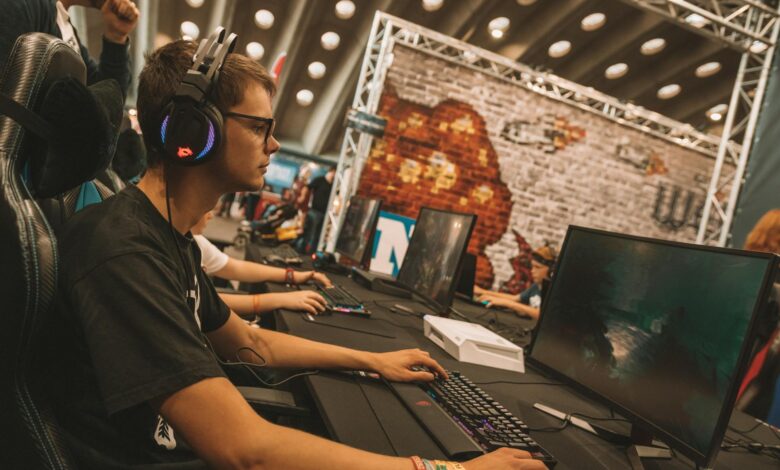
The 2024 League of Legends World Championship shattered every viewership record in esports history, pulling in over 6.9 million peak concurrent viewers during the finals between T1 and Bilibili Gaming. That number represents a staggering 30% increase from the previous year’s championship, cementing League of Legends as the undisputed king of competitive gaming entertainment.
The tournament’s success didn’t happen overnight. Multiple factors converged to create the perfect storm for unprecedented global engagement, from strategic broadcasting improvements to compelling storylines that captured both hardcore fans and casual viewers. Understanding these elements reveals why League of Legends continues to dominate the esports landscape while other games struggle to maintain consistent audiences.
Global Accessibility Drove International Growth
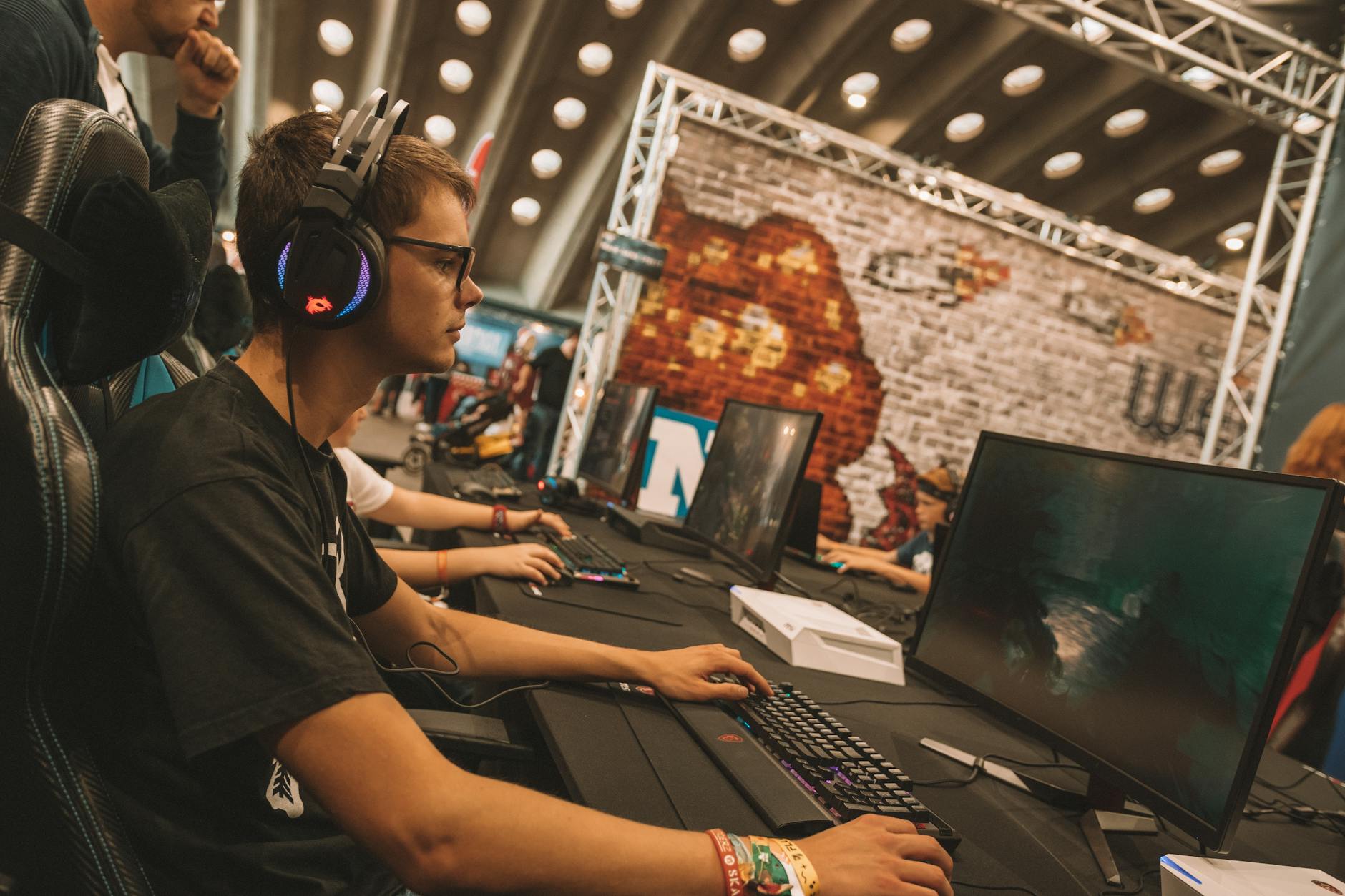
Riot Games made significant investments in broadcasting infrastructure, expanding language coverage to 19 different commentary tracks. The Korean broadcast alone averaged 2.1 million viewers throughout the tournament, while the Chinese streams consistently pulled over 100 million unique viewers across multiple platforms including Douyu, Huya, and Bilibili.
The company partnered with regional broadcasters to ensure optimal streaming quality in key markets. European viewers experienced a 40% reduction in buffering issues compared to 2023, while North American streams integrated seamlessly with Twitch’s enhanced chat features. These technical improvements eliminated the friction that historically drove viewers away during crucial moments.
Mobile viewing accessibility played a crucial role in the viewership surge. Riot’s mobile app delivered full tournament coverage with synchronized statistics, allowing fans to watch during commutes or lunch breaks. The app recorded over 45 million downloads during the three-week tournament period, with average session lengths exceeding 90 minutes.
Regional watch parties transformed solitary viewing into community experiences. Riot sanctioned over 3,000 official viewing events across 85 countries, from small gaming cafes to massive arena screenings. The largest watch party in Seoul drew 15,000 fans, while similar events in major cities consistently sold out weeks in advance.
Compelling Narratives Captured Mainstream Attention
T1’s championship run provided the tournament’s central storyline. Faker’s pursuit of his fifth World Championship title at age 28 resonated beyond traditional gaming audiences, drawing comparisons to legendary athletes like Tom Brady or Michael Jordan. Sports media outlets including ESPN and The Athletic covered his journey, introducing League of Legends to readers who typically ignore esports coverage.
The underdog narrative surrounding several teams amplified viewer investment. Bilibili Gaming’s unexpected finals appearance marked China’s return to championship contention after years of Korean dominance. European team G2 Esports delivered memorable upsets that kept Western audiences engaged throughout later tournament rounds, despite no European team reaching the finals.
Individual player storylines added emotional depth to matches. Keria’s redemption arc after T1’s disappointing 2023 campaign became a focal point for broadcast commentary. Meanwhile, rookie players like Gumayusi faced immense pressure performing on the world’s biggest stage, creating genuine drama that transcended game mechanics.
Production Quality Reached New Heights
The tournament’s production budget reportedly exceeded $50 million, funding elaborate opening ceremonies, cutting-edge broadcast technology, and immersive arena experiences. The finals opening ceremony featured augmented reality dragons soaring through London’s O2 Arena, creating viral social media moments that reached audiences far beyond gaming communities.
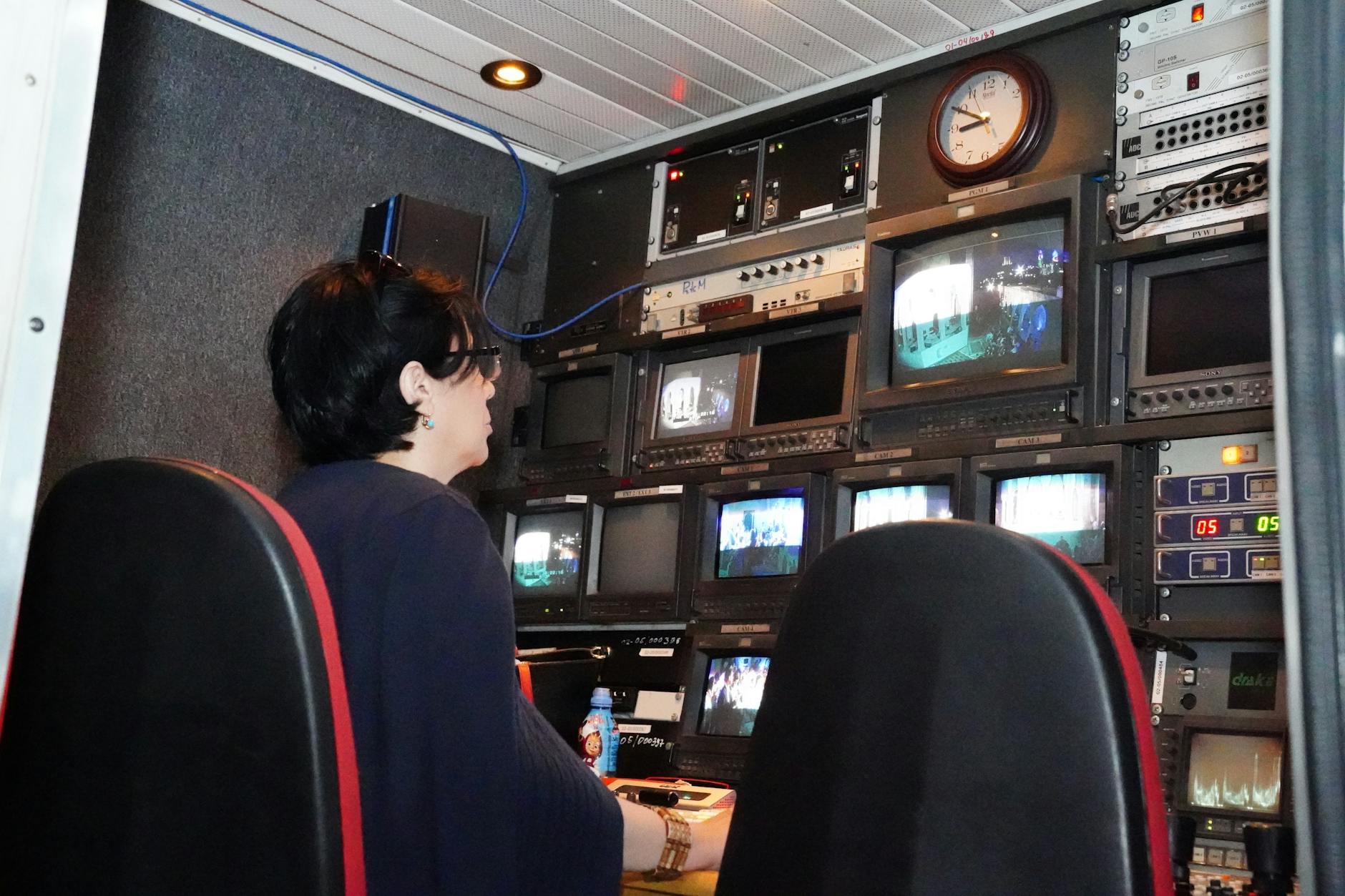
Broadcast innovation enhanced viewer engagement throughout the tournament. Real-time statistics overlays provided context for casual viewers unfamiliar with complex game mechanics. The “Rookie Mode” commentary track explained strategies in accessible terms, while traditional broadcasts maintained their technical depth for experienced fans.
Camera work evolved significantly from previous years. New overhead tracking shots captured team fight dynamics more clearly, while player reaction cameras delivered emotional moments that humanized competitors. Post-match interviews featured improved audio quality and more intimate settings, allowing personalities to shine through.
The integration of social media created a unified viewing experience. Hashtags like #Worlds2024 trended globally on Twitter throughout the tournament, while TikTok clips of highlight plays accumulated hundreds of millions of views. This cross-platform engagement extended the tournament’s reach beyond dedicated streaming audiences.
Strategic Scheduling Maximized Global Viewership
Tournament scheduling balanced regional preferences more effectively than previous years. Key matches aired during prime time in major markets, while weekend finals accommodated both Eastern and Western audiences. The finals started at 2 PM London time, creating optimal viewing windows across Europe, Asia, and the Americas.
The extended tournament format kept audiences engaged over three weeks. Group stages built anticipation for knockout rounds, while strategic rest days prevented viewer fatigue. This pacing allowed storylines to develop naturally while maintaining momentum throughout the event.
Multiple viewing options catered to different audience preferences. Traditional broadcasts served hardcore fans, while co-streaming partnerships with popular content creators like Caedrel and IWillDominate attracted their dedicated followings. These co-streams often exceeded 100,000 concurrent viewers, representing significant additional audience beyond official channels.
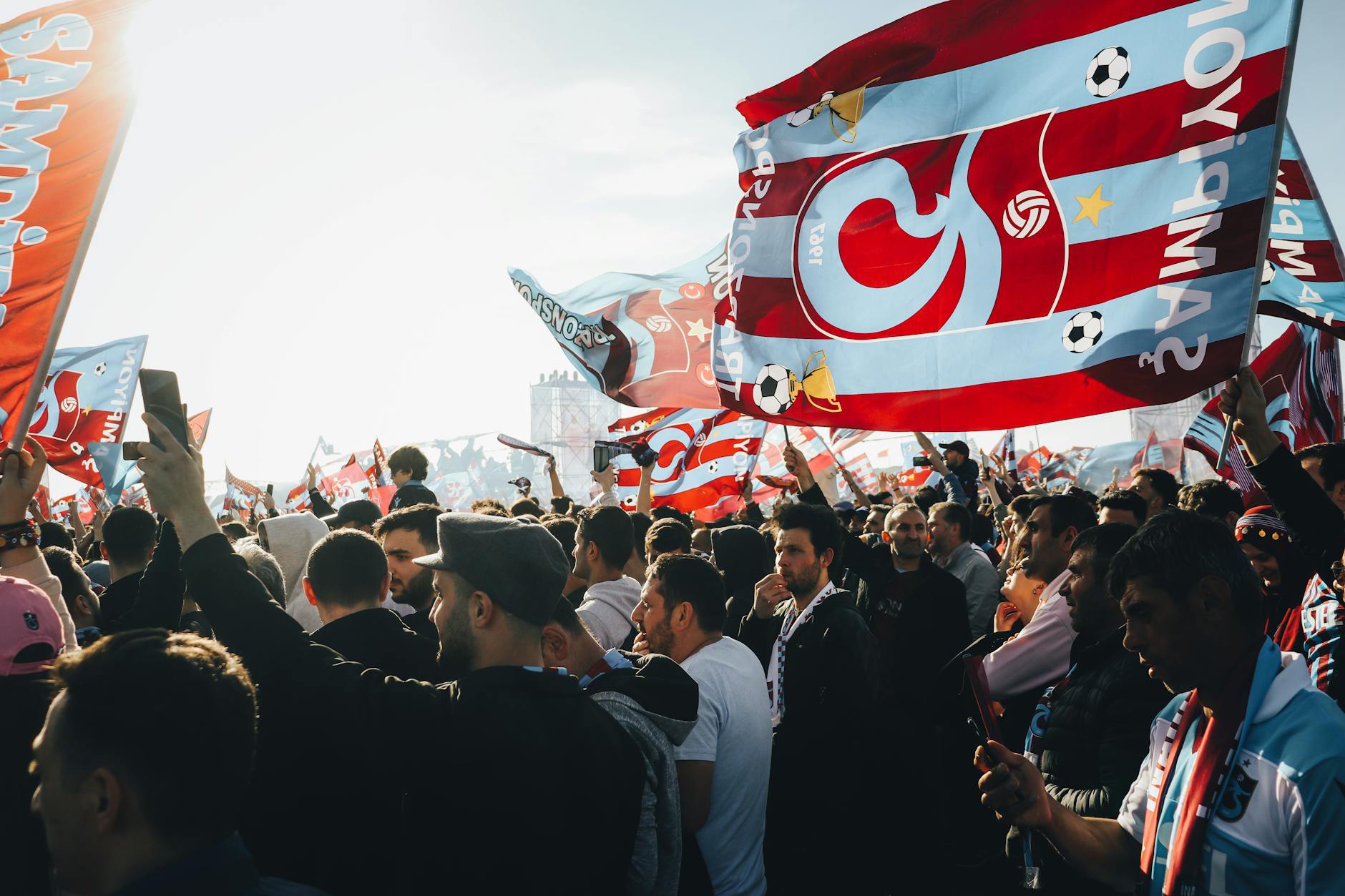
The tournament’s success reflects broader trends in competitive gaming entertainment. Streaming revenue continues replacing prize money as the primary income source for professional gamers, creating more sustainable career paths that attract top talent. Meanwhile, improved production values and accessibility measures are expanding esports beyond traditional gaming demographics.
Looking ahead, the 2025 World Championship faces the challenge of exceeding these record numbers. Riot Games has already announced expanded regional leagues and increased investment in emerging markets like Southeast Asia and Latin America. The company’s commitment to technological innovation and narrative storytelling suggests future tournaments will continue pushing viewership boundaries while cementing League of Legends’ position as esports’ flagship competition.
Frequently Asked Questions
What was the peak viewership for League of Legends Worlds 2024?
The tournament reached 6.9 million peak concurrent viewers during the finals, a 30% increase from the previous year.
Why did League of Legends viewership increase so dramatically?
Improved global broadcasting, compelling storylines like Faker’s championship pursuit, and enhanced production quality drove the record numbers.