The esports world witnessed something unprecedented in 2024: Rocket League Championship Series (RLCS) viewership numbers consistently outperformed Counter-Strike 2 Major championships, marking a seismic shift in competitive gaming’s landscape. While CS2 Majors have traditionally dominated viewer metrics across Twitch and YouTube, RLCS events regularly pulled in peak concurrent viewership exceeding 800,000 viewers, with several tournaments breaking the one million mark.
This dramatic reversal challenges long-held assumptions about which titles drive the biggest audiences in competitive gaming. Counter-Strike has maintained its position as an esports juggernaut for over two decades, but Rocket League’s unique blend of accessibility, visual spectacle, and cross-platform appeal has created a perfect storm for viewership growth.
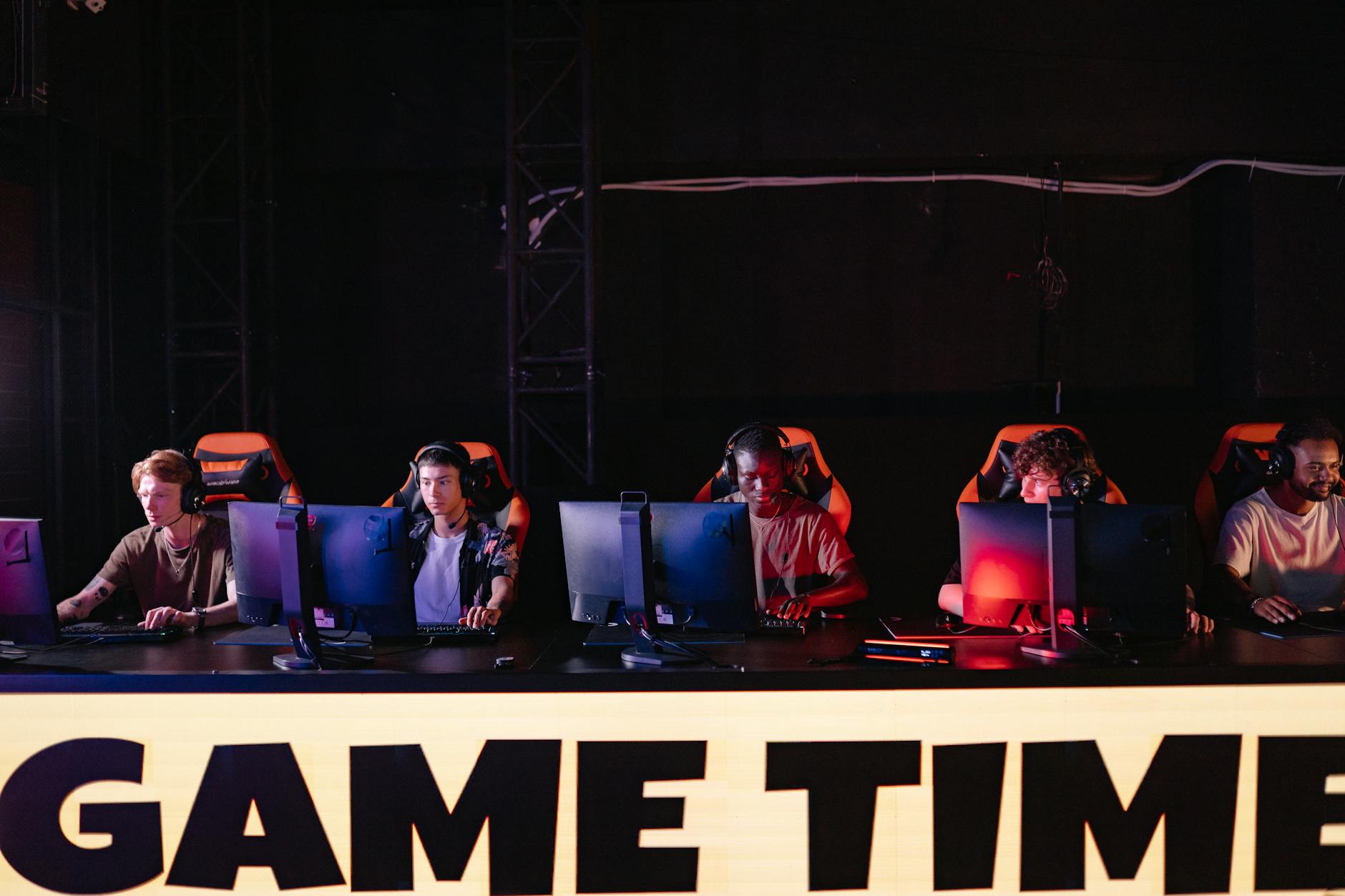
The Perfect Storm of Accessibility and Spectacle
Rocket League’s meteoric rise in viewership stems from its fundamental design philosophy: anyone can understand what’s happening on screen. Unlike Counter-Strike 2, which requires extensive game knowledge to appreciate tactical nuances, Rocket League distills competition to its purest form – getting a ball into a goal using rocket-powered cars.
This accessibility barrier difference became particularly evident during major tournament broadcasts. New viewers tuning into CS2 Majors often struggle to follow complex map control strategies, economy management, and multi-round tactical adjustments. Meanwhile, Rocket League matches deliver immediate visual gratification with spectacular aerial plays, last-second saves, and momentum shifts that translate across language and gaming experience barriers.
The production values surrounding RLCS events have also elevated significantly. Epic Games’ substantial investment in broadcast technology created viewing experiences that rival traditional sports broadcasts. High-definition replays showcasing impossible-seeming aerial maneuvers, combined with clear statistical overlays and dynamic camera work, make every match feel like a highlight reel.
Cross-platform integration further amplified Rocket League’s reach. Players on PlayStation, Xbox, Nintendo Switch, and PC all compete in the same ecosystem, creating a unified community that CS2’s platform limitations cannot match. This unified player base translates directly to viewership, as fans across all platforms rally behind their favorite teams regardless of their preferred gaming device.
Strategic Content Creation and Platform Optimization
RLCS organizers revolutionized how esports content reaches audiences through strategic platform diversification. While CS2 Majors traditionally focused primarily on Twitch broadcasting, Rocket League Championship Series simultaneously streams across Twitch, YouTube, Facebook Gaming, and regional platforms with localized commentary teams.
This multi-platform approach proved particularly effective in capturing younger demographics who increasingly consume content across various services. YouTube’s algorithm-friendly format allowed RLCS highlights to reach audiences who might never visit traditional gaming streams, while TikTok integration brought viral moments to mainstream social media.
Content scheduling also played a crucial role. RLCS events often feature more compact match formats compared to CS2’s best-of-three series that can extend for hours. Rocket League matches typically conclude within 10-15 minutes, creating natural viewing segments that align better with modern attention spans and mobile viewing habits.
The championship series implemented innovative viewing features that enhanced audience engagement. Real-time player perspective switching, predictive analytics displays, and interactive polls during breaks transformed passive viewing into participatory experiences. These technological enhancements, combined with professional commentary teams that excel at explaining high-level play to newcomers, created viewing experiences that welcomed both hardcore fans and casual observers.
Community Engagement and Global Expansion
Rocket League’s viewership surge coincided with aggressive global expansion strategies that CS2 struggled to match. While Counter-Strike maintains strong European and North American audiences, RLCS successfully cultivated competitive scenes across South America, Asia-Pacific, and emerging markets where console gaming dominates over PC gaming.
Regional championship series in Brazil, Japan, Australia, and the Middle East created local heroes and storylines that resonated with previously underserved audiences. These regional competitions fed into the main championship series, creating year-round content cycles that maintained audience engagement between major events.
Social media integration became another differentiating factor. Rocket League’s inherently shareable moments – impossible saves, physics-defying shots, dramatic overtime victories – generated organic content that spread far beyond gaming communities. Professional players became social media personalities in their own right, building personal brands that attracted followers regardless of their competitive results.
The game’s collaboration with mainstream brands and celebrities also expanded its cultural footprint. Partnerships with major automotive companies, sports teams, and entertainment properties brought Rocket League into conversations that traditional esports titles rarely enter. Mobile gaming’s dominance in competitive scene revenue growth demonstrates how accessibility drives viewership, a lesson Rocket League applied effectively across all platforms.
Production Innovation and Broadcast Excellence
Technical innovation in broadcast production elevated RLCS viewing experiences beyond traditional esports presentations. Advanced camera systems that could seamlessly follow high-speed aerial plays, combined with physics-accurate replay systems, created cinematic moments that rivaled Hollywood action sequences.
Statistical integration reached new heights with real-time analysis of boost management, positioning heat maps, and predictive modeling that helped viewers understand strategic decisions. These analytical tools made matches more engaging for hardcore fans while providing educational value for newcomers learning competitive play principles.
Commentary teams underwent extensive training to balance entertainment with education, creating broadcasts that worked equally well for veteran viewers and curious newcomers. This approach contrasted sharply with some CS2 Major broadcasts that assumed extensive game knowledge from their audiences.

The evolution reflects broader changes in how audiences consume competitive gaming content. Apex Legends Championship Series losing viewership to Fortnite illustrates how quickly audience preferences can shift in modern esports landscapes.
Looking Toward the Future
Rocket League’s viewership triumph over CS2 Majors signals fundamental shifts in competitive gaming consumption patterns. Accessibility, visual spectacle, and multi-platform availability increasingly matter more than historical prestige or complex strategic depth when attracting modern audiences.
This transformation suggests esports success will increasingly depend on titles that can bridge gaming communities with mainstream entertainment consumption habits. Games that deliver immediate visual impact, clear victory conditions, and moments that translate well across social media platforms hold distinct advantages in the current media landscape.
As traditional esports titles adapt to these changing preferences, Rocket League’s championship series has established a new template for competitive gaming success that prioritizes audience experience over insider appeal.
Frequently Asked Questions
Why did RLCS viewership exceed CS2 Major championships?
RLCS benefited from superior accessibility, cross-platform integration, multi-platform broadcasting strategy, and more visually engaging gameplay that appeals to broader audiences.
How did Rocket League’s broadcast production impact viewership?
Advanced camera systems, real-time analytics, and commentary designed for both newcomers and veterans created more engaging viewing experiences than traditional esports broadcasts.