AMD’s 9070 XT Under Pressure at 1440p
Minimum frame rates tell you more about a GPU than averages ever will. While average FPS numbers look clean in benchmark charts, it’s the lows – the frames that drop during explosions, open-world traversal, and shader-heavy cutscenes – that determine whether a game actually feels smooth. AMD’s Radeon RX 9070 XT has impressed in average-frame tests since launch, but how does it hold up when the workload spikes at 1440p?
Testing Setup and What We’re Measuring
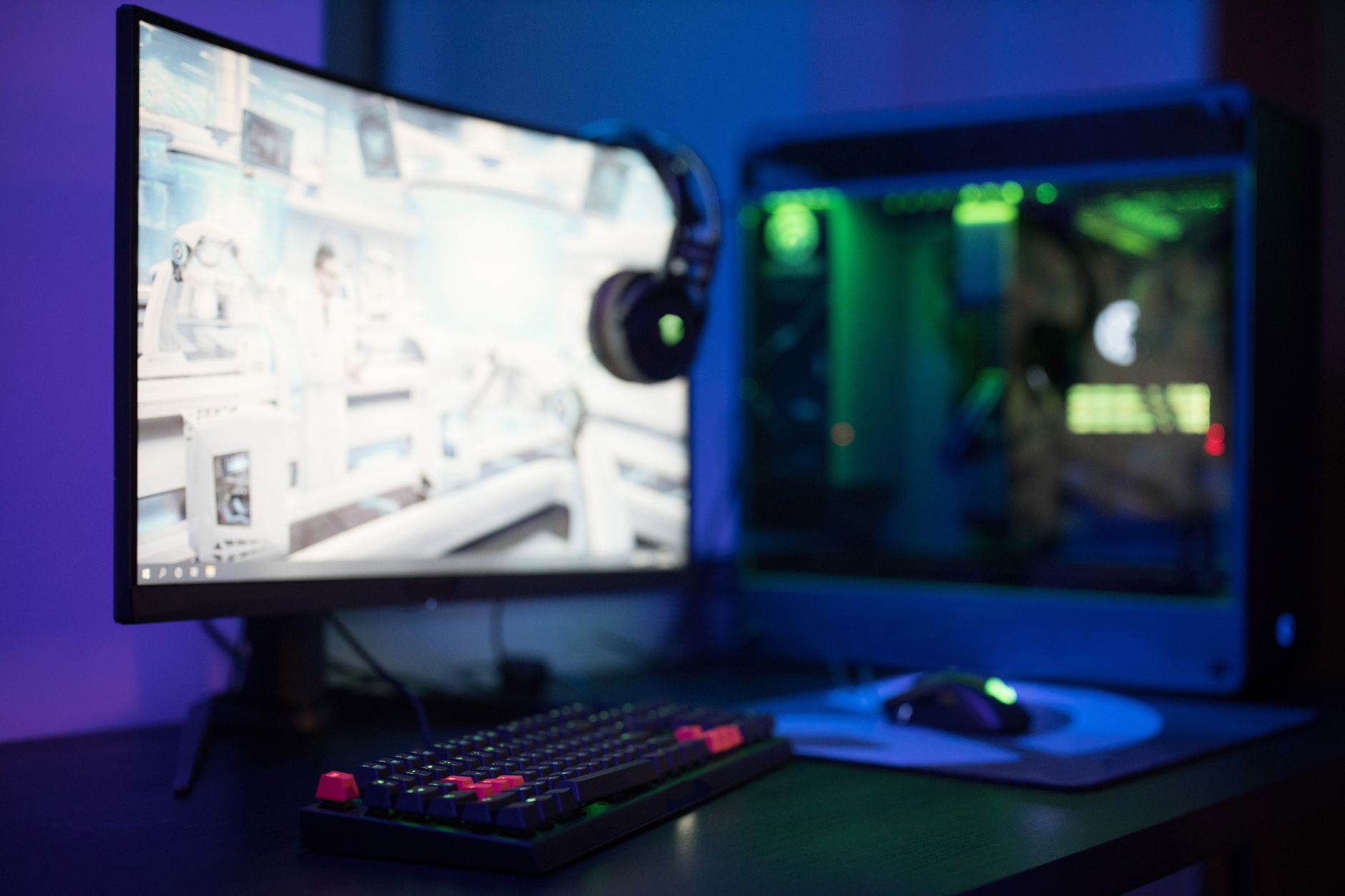
The test bench used for this session runs an AMD Ryzen 7 9800X3D paired with 32GB of DDR5-6000 memory, which keeps CPU bottlenecks out of the equation as much as possible. The RX 9070 XT is running at stock clocks with AMD’s latest Adrenalin drivers installed. All tests were run at 2560×1440 with quality presets tuned to push the GPU hard without toggling upscaling – this is native rasterization, no FSR or any other reconstruction assist engaged.
The metric we’re focusing on is the 1% low frame rate, captured using FrameView and cross-referenced with in-game overlays. The 1% low represents the bottom one percent of all frame times recorded during a run, giving a realistic picture of the worst-case stutters a player would notice. A card can average 90 FPS and still feel rough if its 1% lows dip below 50.
Games selected for this test span a range of workload types: Cyberpunk 2077 with path tracing disabled but Ultra settings active, Alan Wake 2 at High preset, Black Myth: Wukong at High without ray tracing, Spider-Man 2 on PC at Very High, and Indiana Jones and the Great Circle at High settings. These titles represent the current generation of demanding PC releases that typically separate mid-range cards from upper-tier ones.
One note on driver behavior: AMD has continued refining the RDNA 4 architecture’s shader compiler through post-launch updates, which has reduced early stuttering complaints that appeared in some day-one reviews. These results reflect that improved driver state, not early silicon performance.
Game-by-Game Results at 1440p
In Cyberpunk 2077, the RX 9070 XT posted a strong average around 88 FPS with 1% lows landing consistently in the 68-72 FPS range during city traversal through Night City. That gap between average and low is tight enough that the experience holds together well – no jarring drops, no visible hitching during driving sequences. The card handles the open-world streaming load on RDNA 4 noticeably better than what we saw from RDNA 3 at equivalent price points.
Alan Wake 2 is where things got more interesting. Remedy’s engine is notoriously hard on GPUs with its heavy use of global illumination and volumetric effects. Average performance sat around 74 FPS, but 1% lows dropped to 51-55 FPS during forest segments where the lighting engine pushes shader complexity through the roof. That’s still above the 48 FPS mark where most players start noticing discomfort, but the gap between average and low is wider here – nearly 20 frames – which means the delivery is less consistent than the headline number suggests.
Black Myth: Wukong was the most stable result across the entire test. The RX 9070 XT averaged 91 FPS with 1% lows staying within 9 frames of that average throughout the Chapter 1 benchmark sequence. The game’s engine plays nicely with AMD hardware, and RDNA 4’s improved cache architecture handles its texture-heavy environments without much variance. This is arguably the best real-world scenario for the card at 1440p.
Spider-Man 2 on PC tells a slightly different story. Insomniac’s port, while well-optimized overall, produces more frame time variance than the console data might suggest. The RX 9070 XT averaged around 82 FPS but 1% lows during web-swinging traversal over Manhattan dropped to 58-62 FPS. The streaming system that loads borough geometry on the fly creates periodic load spikes, and those are visible in the low-end frame data even when averages look clean. It’s playable and smooth for the most part, but players sensitive to micro-stutters will want to keep an eye on those open-world sections specifically.
Indiana Jones and the Great Circle, running on the id Tech 8 engine, was arguably the most demanding title in this test for minimum frames. The combination of high-quality global illumination and the engine’s aggressive draw call structure pushed 1% lows to 55-60 FPS against an average of 79 FPS. The game’s outdoor environments in particular – large open areas with complex lighting across multiple shadow cascades – created the most noticeable frame time spikes of any title tested. Still, 55 FPS as a practical floor at 1440p Ultra is a defensible result for a card at this price tier.
What the Numbers Actually Mean for Buyers
Across all five titles, the RX 9070 XT maintained 1% lows above 50 FPS at 1440p in every scenario tested without any upscaling assist. That’s the threshold that matters for most players targeting a 60 FPS experience, and the card clears it with room to spare even in the worst-case titles. The average-to-low gap is tightest in well-optimized titles and widest in games with complex streaming or shader-heavy environments, which is expected behavior for any modern GPU at this resolution.
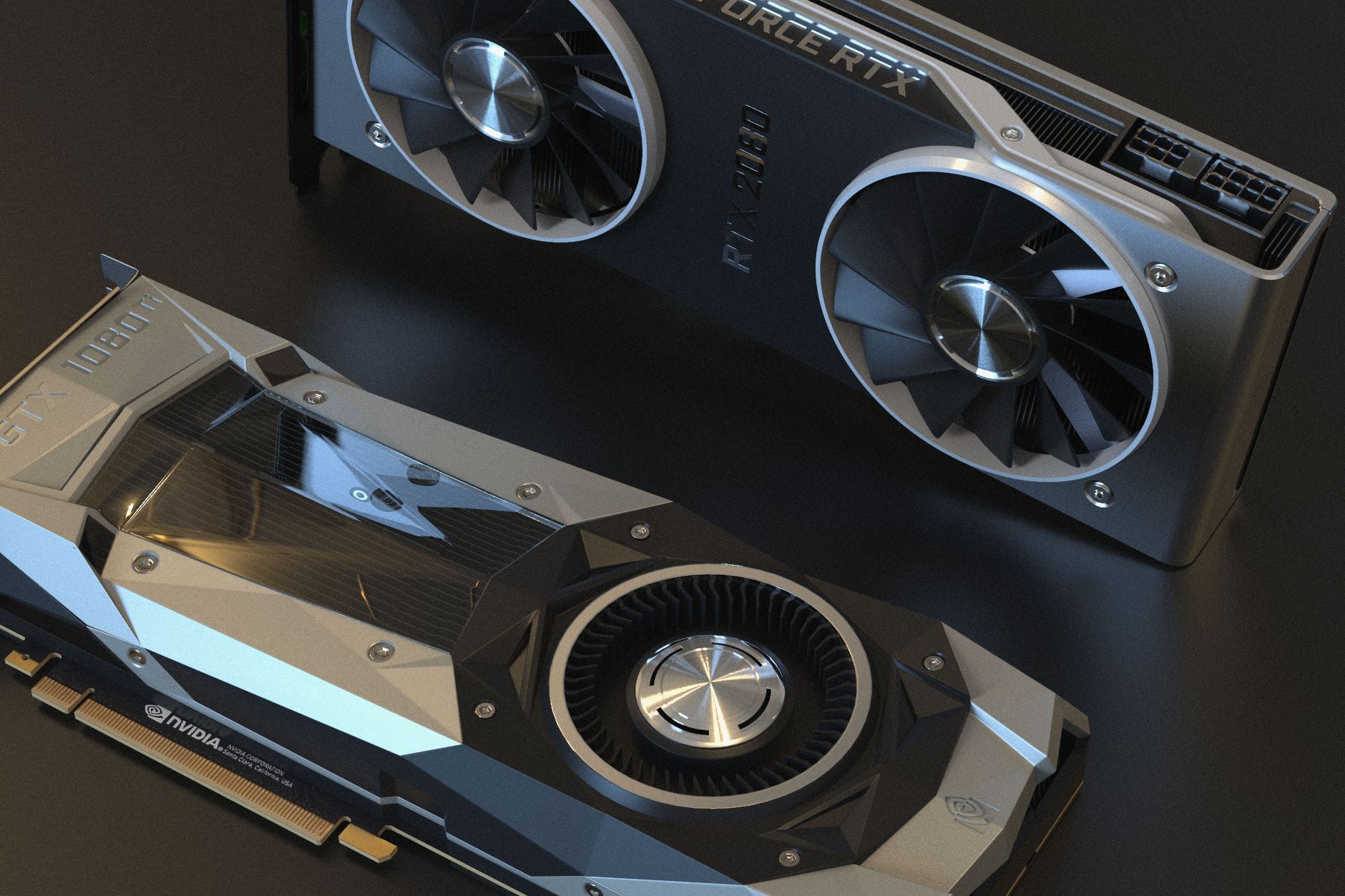
Where the 9070 XT becomes harder to read is in its comparison to Nvidia’s RTX 5070, which sits in a similar price neighborhood depending on retailer and regional pricing. Nvidia’s frame generation tools can paper over minimum frame weaknesses in a way that raw rasterization numbers don’t capture – but those tools also introduce latency overhead that some competitive players actively avoid. The 9070 XT’s rasterization floor is strong enough that players who prefer native rendering have a genuine choice at 1440p, and that wasn’t clearly the case with RDNA 3 against equivalent Nvidia options. The question that lingers is whether AMD’s FSR 4 upscaling, which received meaningful quality upgrades with RDNA 4, will factor into how buyers weigh that decision going forward.