Two Budget GPUs, One Clear Battleground
AMD’s Radeon RX 9060 XT and Intel’s Arc B580 are fighting for the same wallet. Both cards sit in the $250-$300 range, both target 1080p gaming, and both promise enough rasterization muscle to handle modern titles without demanding a second mortgage. The question is which one actually delivers when benchmarks stop being theoretical and start being real frame counts.
The RX 9060 XT launched on AMD’s RDNA 4 architecture with 16GB of GDDR6 memory on the higher-tier variant, a spec that immediately turns heads at this price point. Intel’s Arc B580 runs on the Battlemage architecture with 12GB of GDDR6, and it has been quietly impressing reviewers since its late 2024 release – particularly in DirectX 12 and Vulkan workloads where Intel’s XeSS upscaling adds genuine value. These are not paper specs. Both cards perform, and the gap between them is narrower than either company would prefer to admit.
1080p rasterization is still where the majority of PC gamers live, and that makes this matchup genuinely worth pulling apart title by title.

Raw Performance Across the Game Library
In titles like Cyberpunk 2077 with ray tracing disabled, the RX 9060 XT holds a consistent lead of roughly 10 to 15 percent over the B580 at 1080p ultra settings. That advantage shows up across a range of demanding open-world games where raw shader throughput and memory bandwidth determine how smoothly the framerate holds above 60fps under load. AMD’s RDNA 4 architecture was built with rasterization efficiency as a primary goal, and those design decisions show up clearly in synthetic and real-world tests alike.
The B580 closes the gap noticeably in DX12-native and Vulkan titles. Games like Baldur’s Gate 3, Doom Eternal, and Forza Horizon 5 running under Vulkan see the Arc card trading blows much more closely, occasionally pulling within 5 percent of the 9060 XT. Intel’s driver maturity has improved significantly since the Arc A-series generation, and the B580 no longer carries the unstable reputation that plagued its predecessors. In a handful of specific Vulkan workloads, the B580 even edges ahead, which is a real accomplishment given the price point and the competition it is sitting next to.
Frame pacing is a separate conversation. The RX 9060 XT delivers tighter 1 percent and 0.1 percent lows in most tested titles, which translates to a more consistent feel during the moments that matter – fast camera pans, combat sequences, and dense urban environments. The B580 shows occasional frame time variance in DX11 titles specifically, a lingering artifact of Intel’s driver pipeline that the company has reduced but not fully eliminated. For competitive players counting on consistent delivery over raw peak numbers, that distinction matters more than average framerate alone.
Memory, Thermal, and Value Reality Check
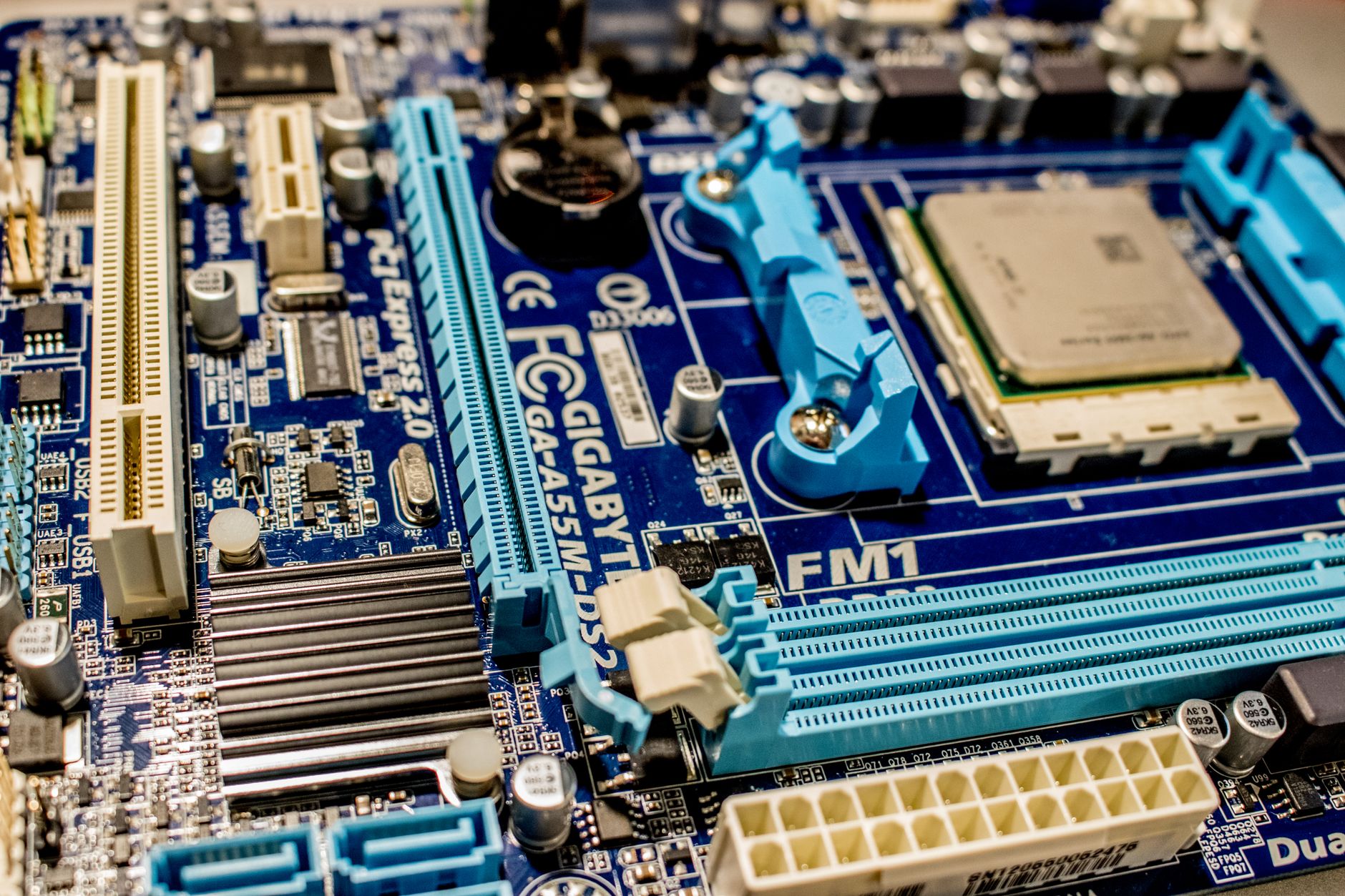
The 16GB configuration of the RX 9060 XT is a genuine differentiator. At 1080p today, 16GB is more than any title strictly needs, but the buffer matters for texture mods, higher resolution assets packed into technically-1080p games, and simple longevity. A GPU purchased today should still be relevant in two to three years, and memory capacity is one of the few hardware specs that cannot be upgraded after the fact. The B580’s 12GB is not a liability yet, but the trajectory of VRAM consumption in modern titles makes the gap worth noting.
Thermals and power draw both favor the B580 in testing. Intel’s card runs cooler under sustained load and draws less power at the wall – a relevant detail for users in regions with high electricity costs or for small form factor builds where thermal headroom is limited. The 9060 XT’s power consumption is not alarming by modern standards, but it runs warmer and louder than the B580 under equivalent workloads. Neither card requires a premium PSU, but the B580 is the more efficient option by a measurable margin.
On street pricing, the RX 9060 XT’s 16GB variant currently carries a higher sticker price than the B580, which tightens the value math. If the performance premium averages 10 to 15 percent in AMD’s favor but the cost premium also sits at 10 to 15 percent, buyers are essentially paying for the memory headroom and the RDNA 4 feature set – including AMD’s FidelityFX Super Resolution 4, which is a legitimate upscaling option that competes with Intel’s XeSS. For a deeper look at how the RX 9060 XT stacks up in a different competitive context, the Radeon RX 9060 XT vs RTX 5060 Ti comparison covers the three-way competitive picture at 1080p.
Which Card Actually Wins at 1080p
The RX 9060 XT is the stronger pure rasterization card at 1080p – that verdict holds across the majority of tested titles, and AMD’s memory advantage gives it a longer runway before obsolescence becomes a real concern. The Arc B580 is not a card you settle for; it is a card you choose deliberately, specifically if you run Vulkan-heavy titles, prioritize power efficiency, or are buying at a moment when B580 pricing dips meaningfully below the 9060 XT. Intel built something legitimate with Battlemage, and the B580 proves it. Whether that is enough depends entirely on which games are in your library and how much the difference in VRAM actually costs you at checkout on the day you buy.