Two Cards, One Question: Which One Actually Handles 4K?
AMD’s Radeon RX 9060 XT and NVIDIA’s RTX 5060 Ti are both priced to appeal to the same buyer – someone who wants serious gaming performance without stepping into flagship territory. On paper, that overlap makes sense. In practice, 4K rasterization is where the gap between architectural philosophy and real-world output becomes very hard to ignore. These two cards are not equals at this resolution, and the differences are worth walking through in detail.
The RTX 5060 Ti launches with 16GB of GDDR7 memory on a 128-bit bus, built on NVIDIA’s Blackwell architecture. The RX 9060 XT counters with AMD’s RDNA 4 architecture and arrives in both 8GB and 16GB configurations, the latter being the relevant comparison point for 4K workloads. Both cards target the same rough price band – the 5060 Ti at around $429 and the 9060 XT 16GB at a similar or slightly lower MSRP depending on market timing. What actually happens when you push either card to 3840×2160 is a more complicated story than the spec sheets suggest.
4K rasterization is an unforgiving test.

What RDNA 4 Brings to the Table at 4K
AMD’s RDNA 4 architecture made its debut with the RX 9070 and 9070 XT, and the efficiency gains it demonstrated at 1440p carry forward into the 9060 XT at reduced scale. The RX 9060 XT uses 32 compute units, a significant step down from the 9070 XT’s 64, but RDNA 4’s per-CU throughput improvements mean the raw compute unit count is not a direct translation of halved performance. AMD has also widened the infinity cache configuration relative to prior midrange cards, which helps mitigate the bandwidth pressure that becomes severe at 4K.
In rasterization-heavy titles like Cyberpunk 2077, the 9060 XT 16GB manages playable but inconsistent framerates at native 4K on medium-to-high settings. Metro Exodus Enhanced Edition, which leans heavily on geometry and lighting throughput, sees the card drop below 40fps at Ultra on native 4K without FSR applied. That is not a failure exactly – this is a midrange card being asked to do what a $700+ card would do more comfortably – but it does define the ceiling. Where AMD clears ground more convincingly is in titles with lower draw-call overhead and more shader-efficient workloads, such as Doom: The Dark Ages, where the 9060 XT stays above 60fps at native 4K on high settings with reasonable frame pacing.
AMD’s FSR 4, available natively on RDNA 4 hardware, also changes the conversation somewhat. At 4K with FSR 4 Quality mode applied, the 9060 XT 16GB can push consistent framerates in demanding titles that native rasterization alone cannot sustain. But the same upscaling advantage is available to NVIDIA users through DLSS 4, which remains technically superior in motion clarity and ghosting behavior – a real difference that is visible during fast camera panning in open-world games.
RTX 5060 Ti at 4K: Bandwidth Limits and Blackwell Gains
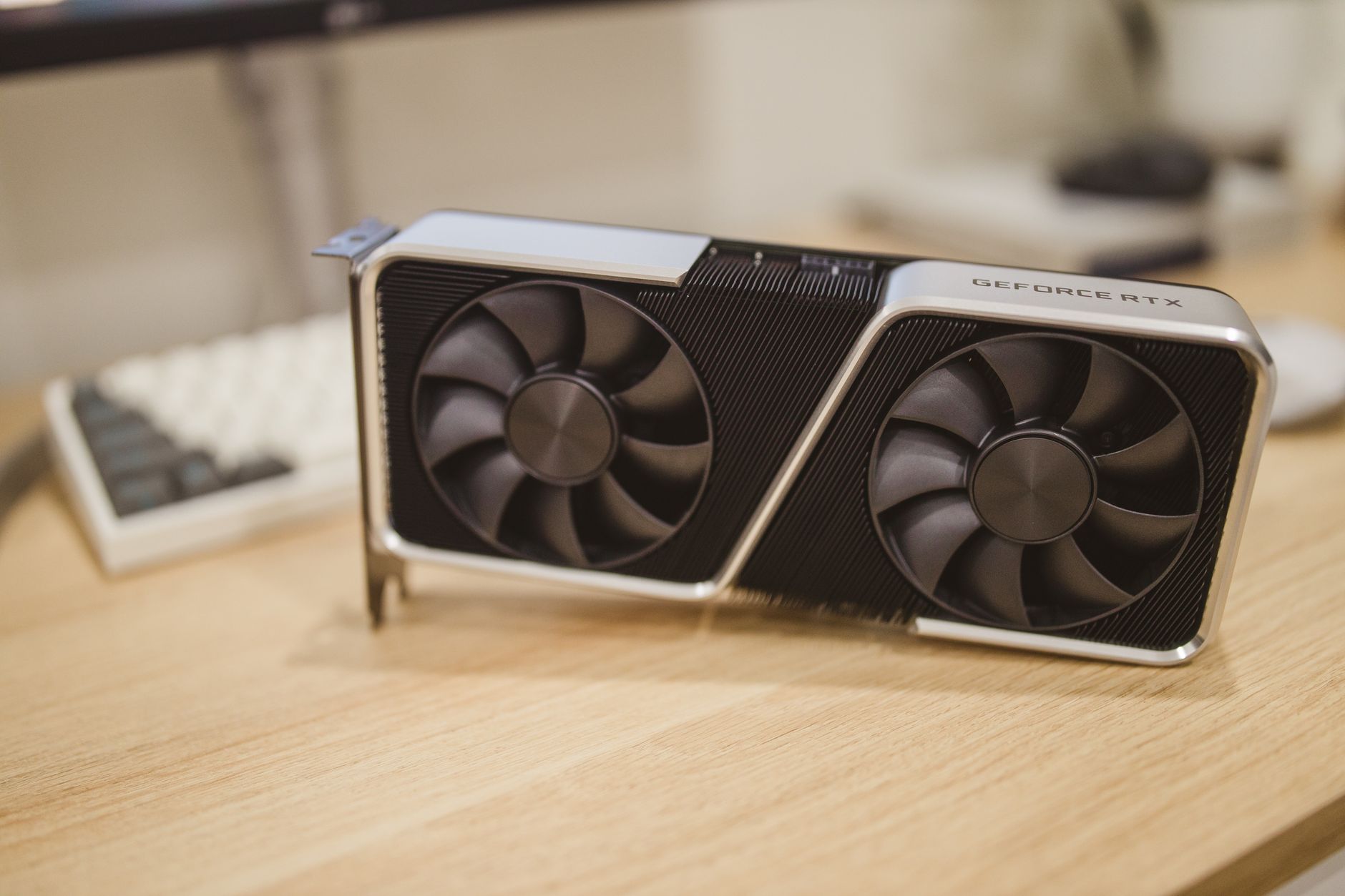
The RTX 5060 Ti’s 128-bit memory bus has attracted criticism since the card’s announcement, and at 4K that criticism has some grounding. Memory bandwidth at this resolution matters enormously, and the 5060 Ti’s 448 GB/s figure – while not catastrophic – places it below where AMD’s competing midrange cards have historically landed. NVIDIA compensates with aggressive L2 cache sizing and the efficiency of the Blackwell shader engine, which reduces the number of times data needs to travel to and from VRAM in the first place. Whether that compensation fully covers the bus width deficit depends entirely on the workload.
In titles where VRAM access patterns are predictable and shader efficiency matters more than raw bandwidth – Forza Horizon 5, Black Myth: Wukong at high textures, Helldivers 2 – the RTX 5060 Ti holds a consistent edge over the RX 9060 XT at 4K. The margin sits between five and twelve percent in these scenarios, which is meaningful but not commanding. In Red Dead Redemption 2 at 4K Ultra, where texture streaming and geometry throughput both spike under load, the 5060 Ti’s bus width limitation shows more clearly, and the framerate advantage over the 9060 XT narrows or inverts depending on the scene. Frame generation via DLSS 4 Multi Frame Generation is available on the 5060 Ti and can visually double or triple output framerates, but that feature is latency-sensitive and at 4K with sub-60fps base framerates it introduces artifacts that reduce playability rather than enhancing it.
DLSS 4 Super Resolution at 4K Quality mode is, frankly, the RTX 5060 Ti’s strongest argument. The image quality at 4K DLSS Quality output from a 1440p render target is genuinely impressive and largely indistinguishable from native at normal viewing distances. Paired with the 5060 Ti’s rasterization lead in GPU-limited scenarios, that upscaling pipeline makes the card feel more capable at 4K than its rasterization benchmarks alone would indicate. It is a real advantage – not a marketing footnote.
The Honest Verdict at 4K
Neither card is a true native-4K solution in demanding 2025 titles without assistance from upscaling. The RTX 5060 Ti edges out the RX 9060 XT in pure rasterization performance at 4K by a consistent but unspectacular margin, with DLSS 4 giving it a more polished upscaling pipeline to fall back on. The RX 9060 XT 16GB closes the gap in titles where AMD’s architecture is well-matched and pulls ahead in a handful of cases, while FSR 4 makes the upscaled experience more credible than any prior AMD generation. If you’re reading this and have already compared how these two GPUs stack up against other Blackwell competitors – the Intel Arc B770 vs RTX 5060 Ti matchup at 1080p gives useful context on how the 5060 Ti performs at the lower end of its range – the 4K picture adds a different dimension: AMD is far more competitive here than it was in previous generations, but NVIDIA’s upscaling quality still carries the round when resolution pressure is at its highest.
The 16GB VRAM on both cards is the right call for 4K gaming in 2025, and anyone buying the 8GB version of the 9060 XT and expecting native 4K longevity beyond the next twelve months is making a risky bet – several current titles already exceed 8GB VRAM allocation at maximum texture settings at this resolution.