Two Processors, One Workflow: What Actually Matters for Creators
AMD’s Ryzen 5 9600X and Intel’s Core Ultra 5 245K sit in the same general price bracket, target the same mid-range audience, and both make a credible case for the content creator who needs solid multi-threaded performance without spending flagship money. The comparison sounds straightforward on paper. In practice, the gap between them – or the lack of one – tells you a lot about where CPU development sits right now.
The 9600X runs six cores with AMD’s Zen 5 architecture and a 65W TDP, making it one of the cooler and quieter options in this category. The 245K pushes harder with six Performance cores and eight Efficient cores under Intel’s Arrow Lake architecture, running hotter and demanding more from your cooling setup in return for broader multi-threaded headroom. For gaming these two processors trade blows depending on the title. For content creation workloads – video encoding, photo editing, 3D rendering – the picture is more defined.
This is where architecture choices stop being theoretical and start costing or saving you hours each week.

Video Encoding and Export: Where Core Count Bites
In software-based video encoding using HandBrake with H.264 and H.265 presets, the Core Ultra 5 245K pulls ahead in raw throughput. Intel’s hybrid architecture gives the 245K a thread count advantage – fourteen cores versus six – and encoding workloads respond well to that. The 245K completes typical long-form export jobs noticeably faster, often by margins large enough to matter in a daily workflow. If you export video in bulk, this difference compounds over a week of work.
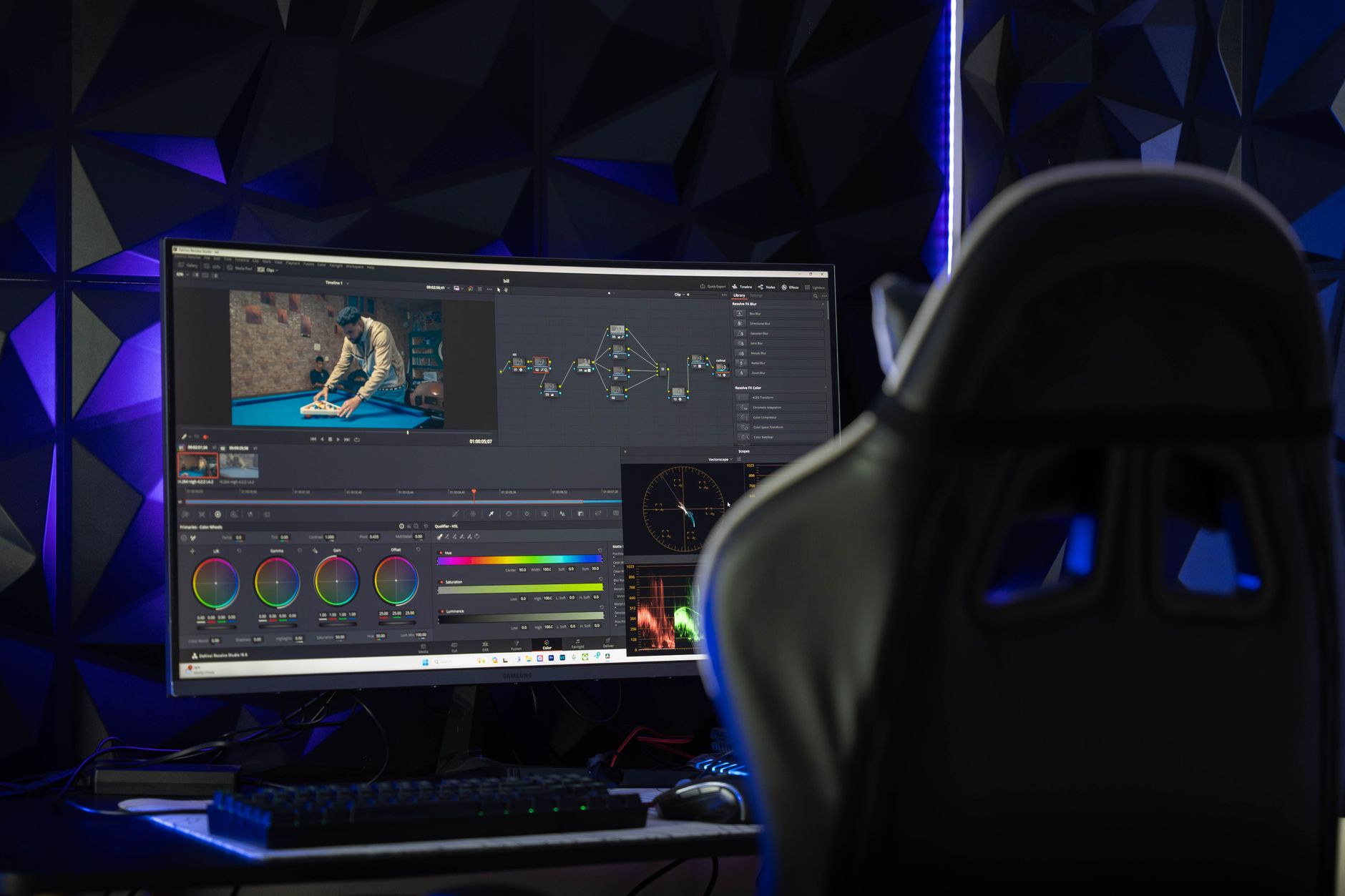
Where AMD closes the gap is in hardware-accelerated encoding. The 9600X pairs cleanly with AMD GPUs for workflows that offload encoding to the graphics card, and Zen 5’s improved IPC means single-threaded segments of the pipeline run efficiently. For creators working primarily in Adobe Premiere Pro or DaVinci Resolve with a capable GPU handling the heavy lifting, the 9600X holds its own better than the raw core count difference suggests. The software stack you use matters as much as the silicon.
The 245K does run hotter under sustained encoding loads. Without a quality cooler it will throttle, which narrows its lead in real-world conditions compared to benchmark controlled environments. The 9600X’s 65W TDP means it stays well-behaved on a mid-range tower cooler, a practical advantage for builders who are not planning to spend an additional amount on cooling alongside the CPU itself.
Rendering and Photo Editing: Zen 5’s IPC Advantage
In Blender and Cinebench R24, the 245K leads on multi-core scores – again, the thread count math is hard to argue with. But AMD’s Zen 5 architecture delivers meaningfully higher IPC than Zen 4, and that advantage shows up sharply in single-threaded rendering tasks and in applications that do not scale efficiently across many cores. For photographers working in Lightroom, running batch edits, or using AI-based tools like Topaz Photo AI, the 9600X keeps pace with and occasionally beats the 245K because those tools are not always optimized to use every available thread.
3D rendering is the clearest case for the 245K if you are choosing strictly on speed. Blender’s CPU rendering mode uses every thread it can find, so fourteen cores versus six is a straightforward advantage. A complex scene that takes the 9600X roughly twelve minutes might finish in eight or nine minutes on the 245K. At professional volume, that gap matters.
Memory bandwidth is another variable worth flagging. The 245K on a Z890 board with fast DDR5 can stretch its performance further in memory-sensitive workloads like large texture processing or high-resolution video timelines. The 9600X on AM5 also supports fast DDR5, but AMD’s platform tends to be more forgiving with memory configurations, which is a practical benefit for builders assembling a system without wanting to fine-tune XMP profiles.
The Verdict a Creator Actually Needs
The Core Ultra 5 245K is the faster processor for content creation workloads that scale with thread count – video encoding, CPU rendering, anything that runs hot across all available cores. The Ryzen 5 9600X is the smarter choice if your workflow leans on GPU acceleration, single-threaded application performance, or you are building in a small form factor where thermal headroom is limited. Neither processor is the wrong answer, but anyone exporting 4K video for hours each day should be honest about whether six cores will ever feel like enough – especially as editing software continues adding AI-driven features that demand more from the CPU, not less.
Frequently Asked Questions
Is the Ryzen 5 9600X or Core Ultra 5 245K better for video editing?
The Core Ultra 5 245K is faster for software-based encoding thanks to its higher thread count, but the 9600X performs competitively in GPU-accelerated workflows in apps like DaVinci Resolve.
Does the Core Ultra 5 245K run hot under content creation loads?
Yes, the 245K runs significantly hotter than the 9600X under sustained workloads and benefits from a high-end cooler to avoid thermal throttling during long export sessions.