AMD’s 3D V-Cache Answer to Intel’s Arrow Lake
AMD’s Ryzen 9 9950X3D finally puts the company’s second-generation 3D V-Cache technology on its highest-core-count desktop processor, creating a direct collision with Intel’s Core Ultra 9 285K at the very top of the consumer CPU market. Both chips carry premium price tags and target serious PC builders who want the best gaming performance money can buy right now.
What Each Chip Brings to the Table
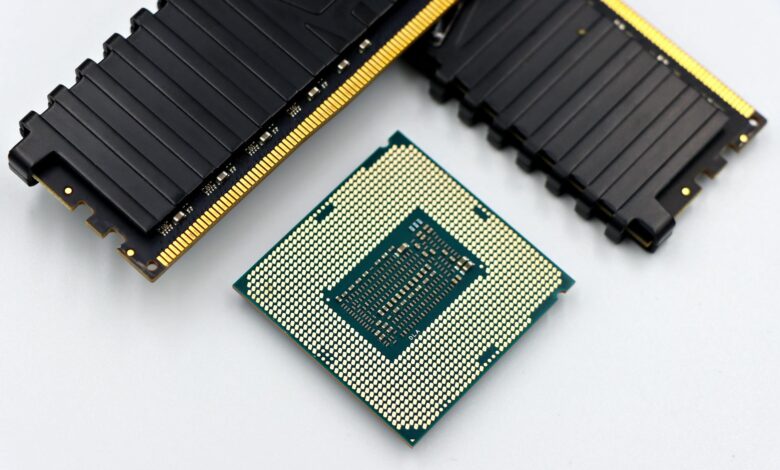
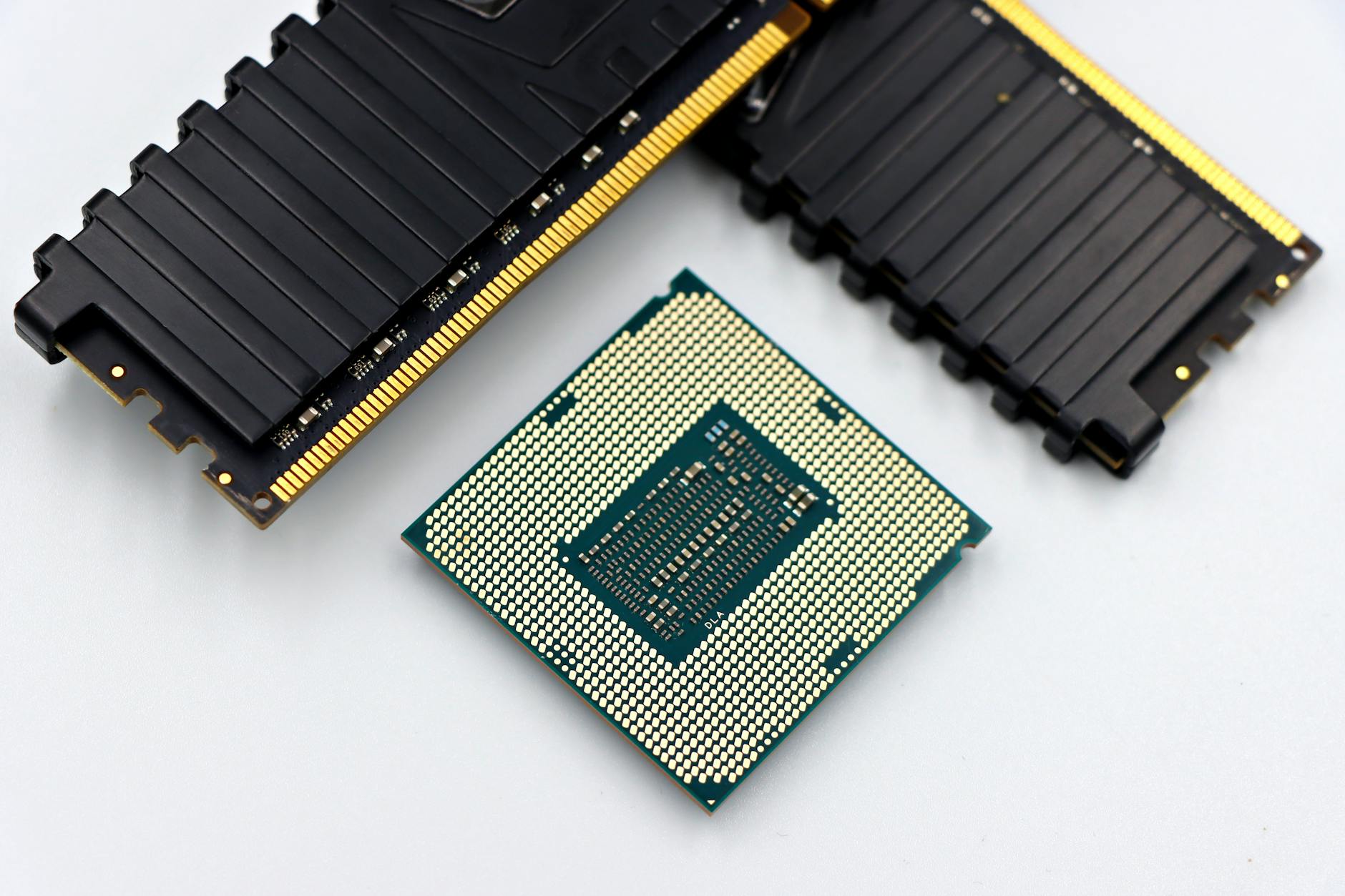
The Ryzen 9 9950X3D carries 16 cores and 32 threads built on AMD’s Zen 5 architecture, stacked with 128MB of L3 cache courtesy of the 3D V-Cache die. That total cache pool reaches 144MB when combined with the standard L3, which is an enormous buffer for game data that would otherwise be fetching from slower system RAM. AMD’s strategy with 3D V-Cache has always been to reduce memory latency in gaming workloads, and every generation has validated that approach. The 9950X3D runs at a base clock of 4.3GHz and boosts to 5.7GHz, though the V-Cache dies typically limit peak frequencies slightly compared to their non-stacked counterparts.
Intel’s Core Ultra 9 285K takes a completely different architectural path. Built on the Lion Cove and Skymont hybrid design under the Arrow Lake umbrella, the 285K combines 8 performance cores with 16 efficiency cores for a 24-core total. Intel removed Hyper-Threading from the performance cores on Arrow Lake, a decision that surprised many builders when the chip launched. The 285K boosts up to 5.7GHz on its P-cores and draws from 36MB of L3 cache, which is a fraction of what AMD is stacking on the 9950X3D. That cache gap is exactly where the two processors diverge most sharply in gaming.
On paper, the 285K’s hybrid core count looks competitive for multithreaded workloads, and Intel’s official positioning for Arrow Lake emphasized productivity and content creation alongside gaming. In actual gaming benchmarks, however, the L3 cache disadvantage creates consistent performance gaps in titles that stress CPU throughput. Games like Cyberpunk 2077, Microsoft Flight Simulator, and Star Wars Outlaws all lean heavily on CPU bandwidth, and those are exactly the conditions where AMD’s V-Cache architecture runs away from the competition.
The platform costs also diverge. The 9950X3D sits on AM5, which has been available since 2022 and supports DDR5 memory across a range of X670E and B650 boards. Intel’s LGA1851 socket launched exclusively with Arrow Lake, meaning 285K buyers are locked into a new platform with no upgrade path from previous Intel generations. For builders already on AM5 with a Ryzen 7000 series CPU, the 9950X3D is a direct drop-in upgrade with a BIOS update – a genuine advantage for anyone looking to extend an existing investment rather than rebuild from scratch.

Gaming Benchmark Performance Across Titles
In Cyberpunk 2077 at 1080p with ray tracing disabled – the standard CPU-bound test configuration – the Ryzen 9 9950X3D consistently posts frame rates around 15 to 20 percent higher than the Core Ultra 9 285K. That gap narrows at 1440p and nearly disappears at 4K, where the GPU becomes the bottleneck regardless of which processor is driving it. This pattern repeats across most modern open-world titles, and it means the 9950X3D’s advantage is most visible in competitive gaming setups where players are running high refresh rate monitors at lower resolutions.
Counter-Strike 2 and Rainbow Six Siege are where the cache gap becomes almost embarrassing for Intel. Both titles are notoriously CPU-sensitive at high frame rates, and the 9950X3D’s massive L3 pool keeps frame times exceptionally stable under heavy scene load. The 285K produces respectable average frame rates in these games, but its 1% low performance tends to trail AMD’s chip more noticeably than the average frames suggest. For competitive players chasing consistent frame pacing rather than just peak numbers, that 1% low gap matters more than the headline average.
Simulation and strategy titles tell a similar story. Total War: Warhammer III during large battle sequences, Cities: Skylines 2 with large city builds, and Baldur’s Gate 3 in Act 3 all push CPU caches hard. AMD’s 9950X3D handles these workloads with noticeably better frame consistency than the 285K. Intel’s chip is not slow in these scenarios – it performs perfectly well – but the 9950X3D simply absorbs the workload more efficiently due to its cache architecture. These are also the scenarios that have driven AMD’s 3D V-Cache reputation since the Ryzen 7 5800X3D first appeared in 2022.
Where Intel closes the gap is in content creation and productivity tasks that run alongside gaming, or in scenarios where users switch frequently between game sessions and demanding creative workloads. The 285K’s hybrid core design handles parallelized tasks like video encoding and 3D rendering more efficiently than the 9950X3D in several benchmarks. AMD’s chip is no slouch in productivity – it has 16 full performance cores and handles multithreaded rendering well – but the 285K’s efficiency core cluster adds throughput in certain workloads that the 9950X3D cannot match clock-for-clock. If a buyer’s primary use case is gaming with secondary video editing, the 9950X3D still wins on balance.
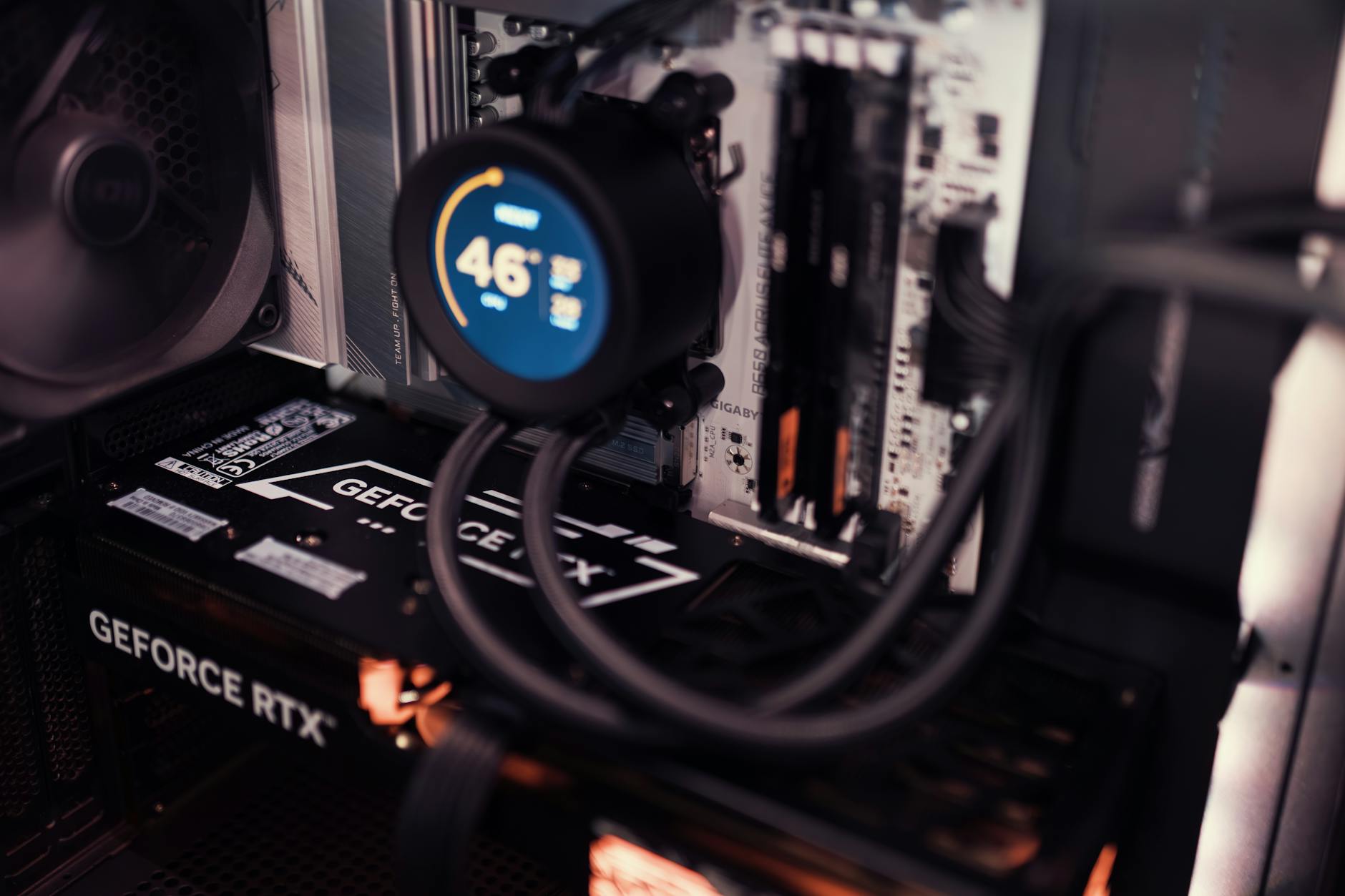
Power consumption is one area where neither chip earns praise. The 9950X3D has a TDP rating of 170W, and actual gaming power draw can exceed that depending on workload and motherboard power limits. The 285K sits at a similar real-world consumption level under gaming loads. Both chips benefit from quality cooling – if you’re building in a compact enclosure, checking out capable silent coolers that handle 170W+ TDP processors is worth doing before finalizing a build around either chip. Thermal management is not optional at this performance tier.
Who Should Actually Buy Which Chip
The Ryzen 9 9950X3D is the stronger gaming processor in most conditions where the CPU is the limiting factor, and that verdict is not particularly close. AMD has now proven across three generations of 3D V-Cache that stacking cache directly onto the die produces real, measurable improvements in gaming frame rates – not just benchmark wins, but consistent gains in everyday gaming scenarios that players actually experience. The Core Ultra 9 285K is a capable chip, but Intel’s decision to ship Arrow Lake without resolving the cache deficit puts the 285K in a difficult position against AMD’s top-end offering.
The honest counterargument is price. Both chips occupy the enthusiast tier, but street prices and platform bundle costs can shift the equation depending on what a builder already owns. Intel’s Arrow Lake platform does offer forward compatibility promises and some advantages in specific creative workloads. The question that lingers is whether Intel can address the gaming performance gap through driver-level or microcode updates, which Arrow Lake has received several of since launch – though none have fully closed the gap against 3D V-Cache competition at the top of the stack.