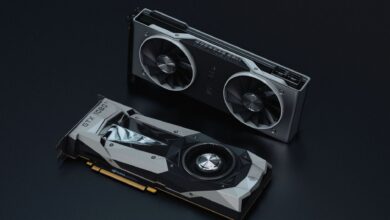
RTX 4090 power consumption has pushed enthusiasts beyond traditional cooling solutions. The flagship GPU’s 450W TGP, combined with boost behaviors that can exceed 500W, has created a perfect storm driving unprecedented adoption of custom liquid cooling systems among high-end builders.
Gaming forums and Reddit communities overflow with thermal throttling complaints from RTX 4090 owners using conventional air coolers. Even premium triple-fan designs struggle to maintain optimal temperatures during extended gaming sessions, particularly with demanding titles running at 4K resolution. This thermal ceiling has sparked a migration toward custom water cooling loops that was once reserved for extreme overclockers.
The Heat Problem That Started Everything
RTX 4090 cards generate substantial heat during normal operation, with junction temperatures regularly hitting 83-85°C under stock settings. Popular models like the ASUS ROG Strix and MSI Gaming X Trio, despite their robust cooling solutions, show temperature spikes during intensive workloads. Cyberpunk 2077 with ray tracing enabled, Fortnite with Lumen global illumination, and newer Unreal Engine 5 titles push these cards into thermal throttling territory.
The situation becomes more problematic in compact cases or systems with multiple high-performance components. Users report GPU temperatures exceeding 90°C in mITX builds, forcing the card to reduce clock speeds and impact gaming performance. This thermal bottleneck has frustrated enthusiasts who invested in the most powerful consumer graphics card available.
Professional content creators face additional challenges. Video editing workflows, 3D rendering, and AI workloads maintain sustained GPU loads that traditional cooling cannot handle effectively. Blender renders and Adobe Premiere Pro exports that should complete faster instead throttle due to thermal constraints, diminishing the productivity gains the RTX 4090 was meant to deliver.
Custom Loop Components Seeing Record Sales
Manufacturers report significant increases in premium cooling component sales since the RTX 4090 launch. EK Water Blocks, Corsair, and Thermaltake have expanded their GPU block offerings specifically for RTX 4090 variants. These manufacturers now stock dedicated cooling solutions for every major RTX 4090 model, from Founders Edition to custom designs from ASUS, MSI, and EVGA.
GPU water blocks for RTX 4090 cards typically cost between $150-250, representing a substantial investment beyond the graphics card itself. However, the performance benefits justify the expense for many users. Custom loop cooling can reduce GPU temperatures by 20-30°C compared to stock coolers, allowing the RTX 4090 to maintain higher boost clocks consistently.
The cooling upgrade market has created an ecosystem of supporting products. Custom cable extensions, improved thermal pads, and specialized mounting hardware have become popular accompaniments to GPU block installations. Enthusiast builders increasingly view water cooling as essential rather than optional for maximizing RTX 4090 performance.
Retailers like Micro Center and Newegg report strong demand for complete custom loop kits. These comprehensive packages include pumps, radiators, tubing, and fittings necessary for first-time liquid cooling builds. The availability of these starter kits has lowered the barrier to entry for users intimidating by custom cooling complexity.
Performance Gains Beyond Temperature Control
Temperature reduction represents only part of the custom cooling advantage. RTX 4090 cards with water cooling maintain higher sustained boost clocks, delivering measurably better gaming performance. Frame rate improvements of 5-8% in demanding games become standard when thermal throttling is eliminated.
Overclocking potential expands significantly with custom water cooling. Users achieve stable overclocks pushing memory speeds beyond 24 Gbps and core clocks exceeding 2.8 GHz. These overclock headroom gains are particularly valuable for competitive gaming where every frame matters. The relationship between advanced frame generation technologies and consistent GPU temperatures becomes crucial for maintaining smooth gameplay.
Noise reduction provides an unexpected benefit that many users appreciate. Custom water cooling loops operate substantially quieter than high-speed GPU fans under load. This acoustic improvement enhances the gaming experience, particularly during long sessions or content creation work where fan noise becomes distracting.
The cooling performance enables more aggressive GPU tuning through software like MSI Afterburner and ASUS GPU Tweak. Users can push power limits and voltage curves that would cause instability with air cooling. These tuning opportunities unlock additional performance that stock cooling solutions simply cannot support.
Installation Challenges and Learning Curves
Custom water cooling installation requires significant technical knowledge and time investment. Most RTX 4090 water block installations take 4-6 hours for experienced builders, longer for first-time installers. The process involves complete GPU disassembly, thermal paste application, and careful reassembly with water blocks.
Leak testing becomes critical before powering the system. Users must verify all connections and run leak tests for several hours before installing the graphics card. A single leak can destroy expensive components, making proper installation procedures essential. This risk factor deters some potential users despite the performance benefits.
Maintenance requirements add ongoing complexity to water-cooled systems. Coolant replacement, component cleaning, and seal inspection become regular tasks. However, most users find these maintenance requirements manageable once they establish proper routines.
Future Implications for High-End GPU Cooling
The RTX 4090 water cooling trend signals broader changes in high-performance GPU design philosophy. As graphics cards continue pushing power consumption boundaries, traditional air cooling solutions face increasing limitations. This shift may influence future GPU cooler designs and case compatibility requirements.
Manufacturers are responding with more user-friendly liquid cooling solutions. All-in-one (AIO) GPU coolers and hybrid cooling designs attempt to bridge the gap between custom loops and traditional air cooling. These intermediate solutions could democratize liquid cooling benefits without custom loop complexity.
The success of RTX 4090 water cooling adoption will likely influence next-generation graphics card cooling strategies. GPU manufacturers may collaborate more closely with cooling specialists or develop integrated liquid cooling solutions from factory. This evolution could make high-performance cooling standard rather than aftermarket modification.
Frequently Asked Questions
Why do RTX 4090 cards need water cooling?
RTX 4090 cards generate up to 500W of heat, causing thermal throttling with traditional air coolers that reduces gaming performance.
How much do RTX 4090 water blocks cost?
RTX 4090 water blocks typically cost $150-250, plus additional components needed for a complete custom cooling loop.