
Every winter, Steam’s live player counter does something that would alarm most platform engineers: it climbs past its own previous ceiling, and keeps going.

Why December and January Keep Breaking the Chart
The seasonal logic is simple. Players get time off, gift cards and new hardware land under trees, and the Steam Winter Sale gives a built-up backlog a reason to finally get installed. Concurrent user counts, which measure how many accounts are signed in at the same moment, respond to all of it at once. A person who logs in to download a discounted game often leaves the client running for hours.
Cold weather in the northern hemisphere adds to the effect. Peak concurrent numbers have tended to land on weekends in the darker months, when evening play stretches longer and more people are at home. The counter, which Valve publishes on Steam’s own statistics page and which trackers like SteamDB log in detail, is effectively a live read on how much of the world is sitting at a screen.
The metric has limits, and they matter. “Concurrent users” counts accounts that are online, not accounts that are actively playing, and the in-game portion is reported separately. A big chunk of any record-setting moment is people chatting with friends, queuing for a match, or letting a download finish overnight.
Even so, the direction of travel has been consistent for years. Each winter’s peak has tended to become the next winter’s baseline, which suggests the growth is not just a holiday blip. Something structural is lifting the floor, and the more useful question is what.
What the Records Say About Where PC Gaming Is Going
Start with free-to-play. Counter-Strike 2 and Dota 2, both Valve titles, anchor the top of Steam’s most-played list day after day, and PUBG: Battlegrounds has held a place among the leaders since it dropped its price tag. These games cost nothing to enter, which means their player counts do not depend on a sale or a launch window. They give Steam a steady pool of users that new releases then add to, instead of the platform rebuilding its audience every few months.
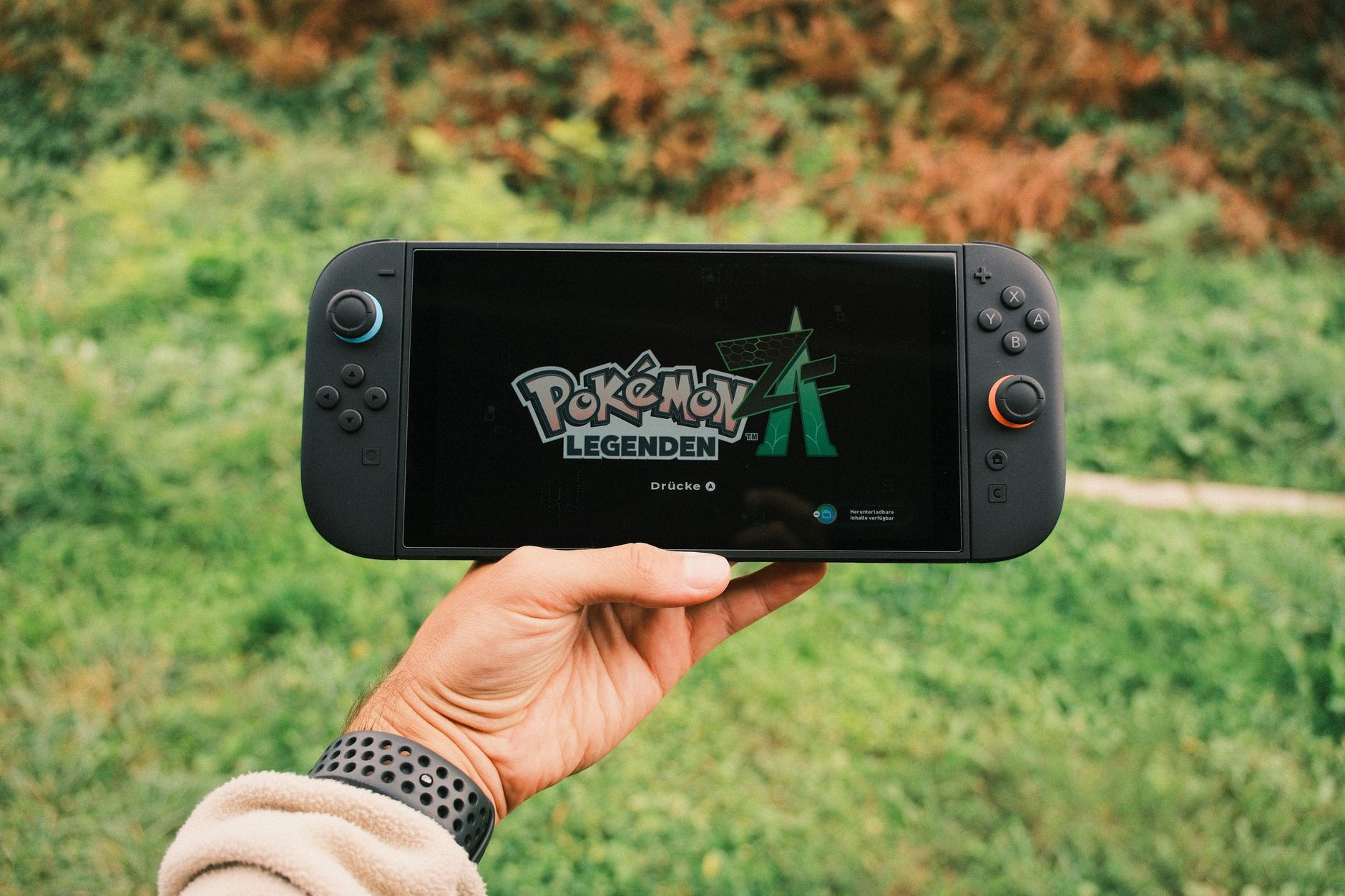
Second, the hardware people use to reach Steam is changing. Valve’s Steam Deck turned the PC library into something that fits in a bag, and it has become a pressure point for rival handheld makers, a dynamic we looked at in our look at how Steam Deck is affecting Nintendo’s pricing. A handheld that is always one button away from a game makes casual, short-session logins easy. That is the kind of behavior that quietly pads a concurrency counter at hours when desktop players are asleep or at work.
Third, the audience is more global than the old image of a Western enthusiast with a tower PC. Steam’s own hardware and software survey has long shown a large share of users running Simplified Chinese as their client language, and Valve has expanded regional pricing and payment options in many markets over the years. A platform whose users span many time zones does not have a single quiet period. When one region winds down for the night, another is logging in, and the overlap pushes the peak higher than any single country could.
Fourth, breakout hits keep proving that Steam can absorb enormous single-game surges. Palworld from Pocketpair and Black Myth: Wukong from Game Science each pushed past two million concurrent players at their peaks, figures that would have sounded implausible for a single non-Valve title not long ago. Baldur’s Gate 3 from Larian Studios showed that a long, dense role-playing game could pull in a mass audience, and Helldivers 2 showed that a console publisher like Sony could bring a major release to PC and watch it flourish. None of these were guaranteed hits. Together they widened what players expect to find on the platform.
Fifth, there is the quieter story of what runs on all this. The recent growth has come with a broader spread of hardware, from high-end rigs to older laptops to handhelds, and many of the most-played games are built to run on modest machines. That is a notable contrast to the narrative that PC gaming is a race to ever more expensive graphics cards. Steam’s biggest numbers are being driven by games that nearly anyone can run, which helps explain why the platform keeps growing even when component prices are a sore subject.
The Caveats Behind the Headlines
A record concurrent count is not a revenue figure, and it says nothing about whether the studios releasing games into this crowd are making money. A flood of new titles arrives on Steam every week, and the rising tide of users does not lift all of them equally. The top of the chart is dominated by a small set of long-running free-to-play games, and a new release has to fight for attention against titles that players have already sunk thousands of hours into.

That tension is worth watching as the next winter peak approaches. If the floor keeps rising on the back of a handful of evergreen games, how much room is left on the platform for the next Palworld?
Frequently Asked Questions
What does Steam’s concurrent user count measure?
It counts accounts signed in to Steam at the same moment, including players in a game and users who are only online or browsing. In-game users are tracked as a separate figure.
Why do Steam records often happen in winter?
Holiday time off, the Steam Winter Sale, and new hardware received as gifts all push more people online at once, especially on weekends in the darker months.
Which games drive Steam’s everyday player counts?
Free-to-play titles like Counter-Strike 2 and Dota 2 sit near the top of the most-played list consistently, with new releases adding temporary surges on top.