Does a game on a shelf count as owned if the shelf copy contains no game? That question has followed the Nintendo Switch 2 since launch, and it explains why a small plastic card has managed to irritate a corner of the hobby that usually agrees on very little.
The Game-Key Card looks like a standard Switch 2 cartridge, slots into the same port, and sits in a retail case with cover art and a price tag. What it lacks is the game itself. The card works as a key, and the actual software has to be downloaded to the console. For collectors who treat physical media as a promise that the disc or cartridge is the product, that distinction is the whole argument.
What a Game-Key Card Actually Is
A traditional Switch cartridge stores the game data on the chip inside. Pop it in, and the console reads everything it needs. A Game-Key Card stores a license instead. When you insert it, the system checks the key, then pulls the game down over the internet, and the card must be in the slot whenever you play. Nintendo requires retail packaging for these releases to be labeled so buyers can tell the difference before they pay.
The format exists in part because of cartridge economics. Higher-capacity game cards cost more to manufacture, and large modern games can run well past what a cheap cartridge holds. A key card lets a publisher put a boxed product on retail shelves without paying for flash storage that matches the install size. That makes the format attractive for big, data-heavy ports, and it also makes it the exact thing collectors dislike.
The Collector’s Case Against the Card
The loudest objection is about permanence. A cartridge that contains its game will run as long as the hardware does, regardless of what happens to a company’s servers. A key card will not. If the download servers for a given title ever go dark, the card in the case becomes a very small, very decorative piece of plastic.
This is not a hypothetical worry for Nintendo players. The company closed purchasing on the Wii U and 3DS eShops in 2023, and anyone who owned digital-only games on those systems learned how quickly a storefront can stop being a safe place to keep a library. Collectors who lived through that closure tend to read the Game-Key Card as a small step back toward the same risk, now wearing a physical costume.
There is also the matter of the experience itself. Part of the appeal of cartridges is that they are instant. You buy the game, you take it home, you play it. A key card brings back an install step, and for anyone with a slow connection, a full storage drive, or a console they plan to play on a long flight, that step is a real cost rather than an abstract principle.
Then there is the shelf. Many collectors care about a complete, consistent set, and a mixed collection of full cartridges and key cards breaks the logic of that set. Two boxes that look identical on the outside can behave very differently on the inside. That is why the labeling matters so much to this crowd, and why a missed label on a listing or a store display can turn into a frustrating purchase.
Why Publishers Reach for the Key
From the publisher side, the argument is mostly about risk. Manufacturing physical copies means guessing how many people will buy them, and unsold stock is a cost that arrives long before any revenue. A key card is cheaper to produce than a high-capacity cartridge, which lowers the stakes on a smaller print run and makes a physical release viable for games that might otherwise go digital-only.
That is the strongest point in the format’s favor. A boxed release that exists with a key card is, for many smaller or mid-sized publishers, better than no boxed release at all. Collectors who care about seeing a physical edition of niche titles may find themselves choosing between a key card and nothing, which is a harder fight to win than a simple objection to the format.
Where the Line Gets Drawn
The most useful question is not whether the card is good or bad, but when it is acceptable. A short, small game that ships with a key card feels like a quiet cheat, because the data would have fit on a cheap cartridge. A massive open-world port with a huge install size is a different conversation, since a full cartridge would add real cost to the price. Collectors are not a single bloc here, and the loudest complaints tend to land on cases where the key card feels like a choice rather than a necessity.
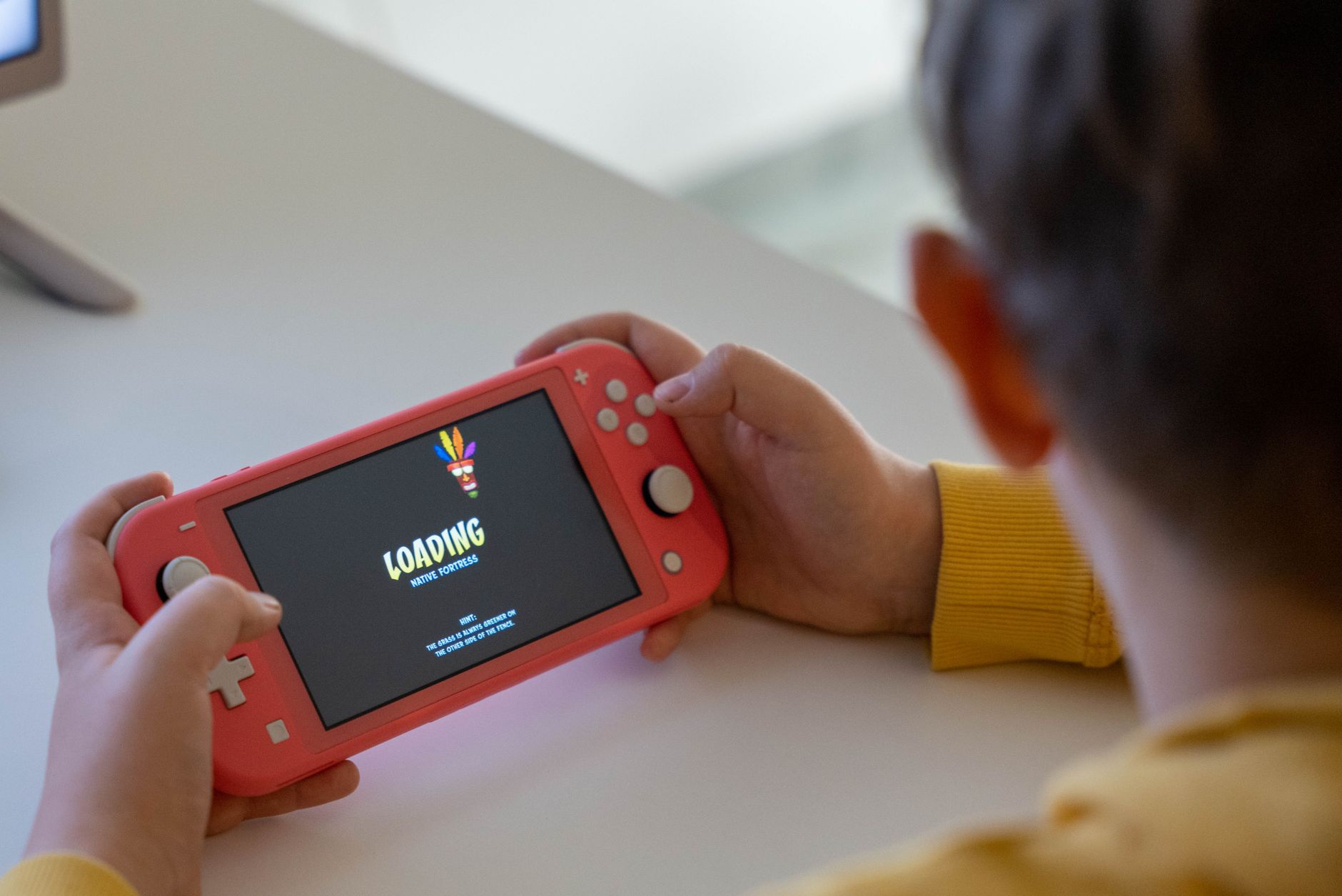
Nintendo’s own approach matters because the company sets the tone for the platform. Its biggest first-party releases, such as Mario Kart World and Donkey Kong Bananza, have been sold with physical copies that hold the game data, which gives the format a clear reputation: the key card is mainly a third-party tool. That split lets Nintendo keep its flagship boxes as a traditional product while leaving partners room to decide how much to spend on their own releases.
What collectors can do is vote with attention. Check the label before buying, read the listing for resale copies, and decide in advance which games are worth owning as a card that depends on a download. The format is not going away while it saves publishers money, so the practical pressure point is the shelf label itself, and whether buyers keep treating a key and a cartridge as the same product.