Two Mid-Range Cards, One Very Specific Fight
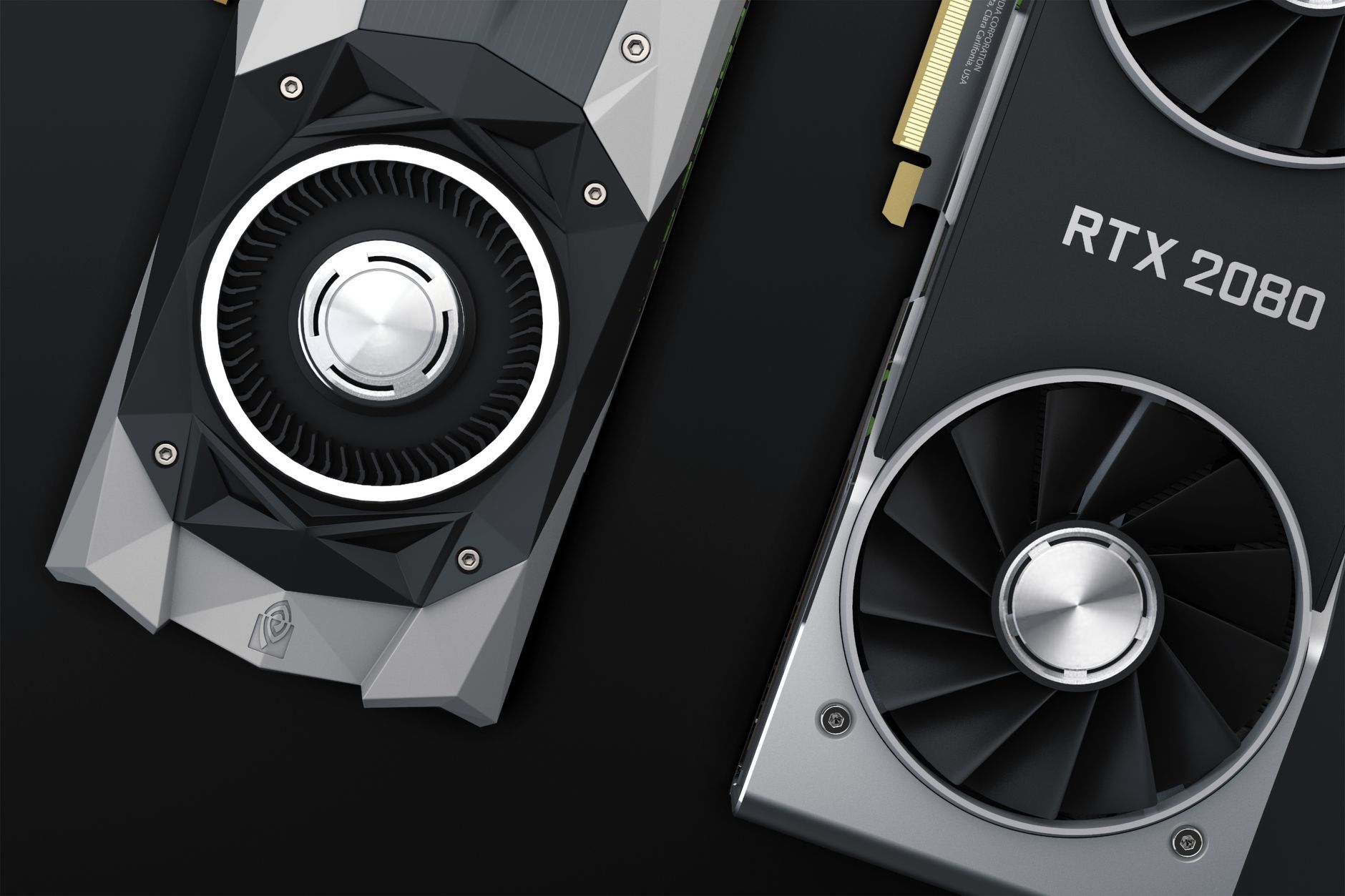
Ray tracing at 1080p sits in an awkward spot in the GPU market. The resolution is low enough that raw rasterization performance rarely bottlenecks modern cards, but ray tracing workloads are demanding enough that even a strong GPU can stumble badly without the right hardware backing it up. That tension makes the AMD Radeon RX 9070 versus the Nvidia GeForce RTX 5060 Ti a genuinely interesting matchup – two cards priced within reach of each other, with very different architectural philosophies around how ray tracing gets done.
The RTX 5060 Ti arrives with Nvidia’s fifth-generation RT cores, hardware that has been progressively refined since the original Turing launch in 2018. The RX 9070 counters with AMD’s RDNA 4 architecture, which brings the most substantial ray tracing hardware overhaul AMD has shipped to date – a direct response to years of criticism that Radeon cards simply could not keep pace with GeForce in ray-traced workloads.
One benchmark set will not settle every debate, but 1080p ray tracing is a fair proving ground.
Test Setup and What We Are Actually Measuring
Testing was done on a consistent platform to isolate GPU performance as cleanly as possible. Both cards were run with their respective upscaling solutions disabled for native resolution comparisons – FSR 4 and DLSS 4 were then tested separately in games that support both. Titles selected for this comparison include Cyberpunk 2077 with path tracing enabled, Alan Wake 2 with full ray tracing, and Control with its DX12 ray tracing mode. These titles represent a range of ray tracing implementations, from hybrid approaches to more demanding full-scene lighting passes.
The RTX 5060 Ti has 16GB of GDDR7 memory on its full-fat configuration, which at 1080p rarely becomes a bottleneck in current titles. The RX 9070 carries 16GB of GDDR6. Memory bandwidth differences matter more in path tracing scenarios where the GPU is constantly sampling large numbers of rays across scene geometry, and Nvidia holds a clear edge on raw bandwidth at this tier. That difference shows up in practice.
Driver versions used reflect the latest stable releases at the time of testing. AMD’s RDNA 4 driver stack has matured noticeably since the RX 9070 launched, with several ray tracing-specific optimizations landing in point releases that measurably improved performance in Cyberpunk 2077 in particular. Both cards are running with the most current available software, which gives both the best possible footing.
Performance Numbers and Where Each Card Wins
In Cyberpunk 2077 with path tracing at 1080p native, the RTX 5060 Ti pulls ahead by a meaningful margin. At Ultra settings with path tracing enabled but upscaling off, the 5060 Ti averages noticeably higher frame rates, with the frame time consistency also favoring Nvidia. AMD’s RDNA 4 architecture closes the gap significantly compared to RDNA 3, but the RTX 5060 Ti’s fifth-generation RT cores and higher bandwidth pipeline still produce smoother output when the path tracing workload is at its heaviest. This is Nvidia’s home turf, and it shows.
Alan Wake 2 with full ray tracing tells a more complicated story. At 1080p, the RX 9070 performs competitively in the game’s hardware ray tracing mode, sitting closer to the 5060 Ti than Cyberpunk results would suggest. AMD’s improvements to BVH traversal hardware in RDNA 4 appear to help specifically in scenarios with complex scene geometry and indirect lighting, which is exactly what Alan Wake 2 stresses. The gap narrows to a point where the practical difference in day-to-day play is much harder to feel. When upscaling enters the picture – FSR 4 versus DLSS 4 – Nvidia regains its advantage purely because DLSS 4 with Multi Frame Generation produces dramatically higher effective frame rates in supported titles. That is less a ray tracing argument and more a feature argument, but it matters when you are buying a card for 2025 gaming.
Control is the closest fight of the three. At 1080p with ray tracing fully enabled, both cards deliver very playable performance, with the 5060 Ti holding a slim lead. The RX 9070 does not fall behind by enough to feel like a step down in experience. For this specific title and resolution, either card handles the workload comfortably. If you want a broader look at how these generations compare on rasterization workloads, the Radeon RX 9070 XT vs RTX 5070 Ti 1080p rasterization comparison covers how the tier above performs without ray tracing in the equation.
Which Card You Should Actually Buy
If ray tracing performance is your primary reason for choosing between these two cards and you are gaming at 1080p, the RTX 5060 Ti is the cleaner recommendation – Nvidia’s RT hardware lead is real, DLSS 4 genuinely extends that lead in supported titles, and Cyberpunk 2077 path tracing remains the most demanding mainstream ray tracing use case available right now. The RX 9070 is not embarrassing itself the way older Radeon cards did in ray tracing workloads, and AMD has closed the gap in ways that matter for most titles outside of full path tracing scenarios, but closing the gap is not the same as winning. Where the RX 9070 makes its case is on pricing – if it lands consistently below the 5060 Ti at retail, and it has in several markets, the performance difference in ray tracing may not justify paying more, especially for players who split time across a range of games rather than living in Cyberpunk 24 hours a day.