The 8GB Question Returns
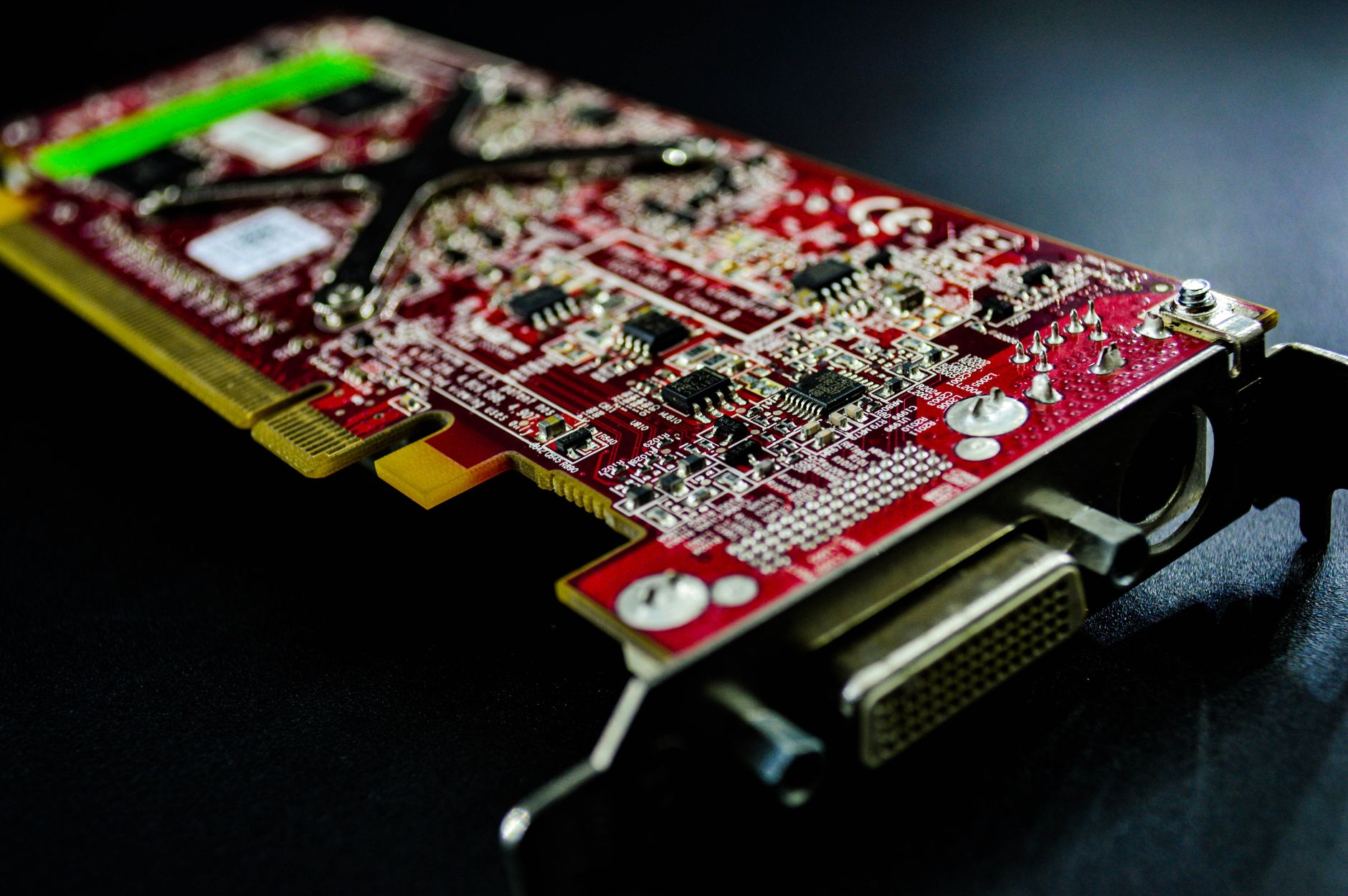
Nvidia’s RTX 5060 Ti launched in two flavors: an 8GB model and a 16GB model, separated by a meaningful price gap but sharing the same GB206 silicon, the same core count, and the same memory bandwidth. On paper, the only real difference is how much video memory you get. At 1080p and 1440p, that gap rarely shows up in benchmarks – but 4K is a different conversation entirely, and it’s the one Nvidia’s marketing has been careful to avoid having too loudly.
VRAM pressure at 4K is not a theoretical concern. Modern titles like Alan Wake 2, Cyberpunk 2077 with path tracing, and Hogwarts Legacy routinely push past 8GB of VRAM at native 4K with high or ultra settings enabled. The RTX 5060 Ti 8GB is technically capable of rendering at 4K, but what happens when a scene demands more memory than the card physically carries? The answer is ugly, and the benchmarks below make it hard to ignore.
How the Two Cards Differ
Both versions of the RTX 5060 Ti use the same GPU die, the same 128-bit memory bus, and the same 448 GB/s of memory bandwidth. Clock speeds are identical. Shader counts are identical. The only hardware variable is VRAM capacity – 8GB vs 16GB of GDDR7. This means any performance gap that shows up in testing is caused purely by memory capacity limits, not architectural differences. That makes this an unusually clean comparison, and the results isolate exactly what happens when a GPU runs out of headroom.
The 16GB model carries a street price premium of roughly $80 to $100 over the 8GB version depending on the board partner. That delta is significant at this price tier, where both cards are competing against AMD’s mid-range offerings. Whether that premium is worth paying depends entirely on your resolution and your settings habits – and at 4K, the answer tilts sharply in one direction.
What the 4K Benchmarks Actually Show
In Cyberpunk 2077 at 4K ultra settings without ray tracing, the 8GB card averages noticeably lower frame rates than its 16GB sibling – but more damaging are the 1% lows, which collapse dramatically when the card begins pushing VRAM-heavy scenes in Night City’s busiest districts. The 16GB model holds consistent framing through the same sequences. The raw average difference can look modest on a chart, but in motion the 8GB card produces visible hitching that the 16GB version simply does not. This is the texture streaming problem in action: when the GPU has to repeatedly evict and reload assets from system RAM across the PCIe bus, frametimes spike irregularly rather than dropping uniformly.
Alan Wake 2 is more punishing. At 4K with high settings and the game’s native renderer – no DLSS – the 8GB card exceeds its VRAM budget during most outdoor scenes. Remedy’s lighting and asset density push past 10GB of VRAM on high-end configurations, and the 8GB card handles this by degrading texture quality automatically while still producing visible stutter in transitions. The 16GB model runs Alan Wake 2 at 4K high without any of those artifacts. The frame rate difference between the two cards in this title at 4K is not marginal – it is substantial enough to affect playability.
The situation becomes more nuanced in games with lower VRAM demands. At 4K in titles like Fortnite, Apex Legends, or Doom: The Dark Ages at medium-to-high settings, the 8GB card performs within a few percentage points of the 16GB version. VRAM usage in these titles stays under 8GB at 4K with standard settings, so the capacity limit never triggers. The 8GB card is not a poor performer – it is a card that performs well until it hits a hard ceiling, and at 4K that ceiling appears more often than Nvidia’s official positioning suggests.
DLSS 4 with Multi Frame Generation changes part of this calculus. Nvidia’s upscaling lets players run at a lower internal resolution – 1440p or even 1080p internally – while outputting at 4K. At a 1440p internal resolution, VRAM pressure drops significantly, and the 8GB card reclaims much of its performance deficit. This is genuinely useful, and DLSS 4’s image quality at max quality mode is strong enough that many players will not find the trade-off objectionable. But it is worth being direct: recommending an 8GB card for 4K gaming in 2025 on the condition that players use upscaling is a different recommendation than saying the card handles native 4K well. Those are not the same thing.
Who Should Actually Buy the 8GB Model
If your primary gaming resolution is 1440p and you occasionally push to 4K on titles that are not VRAM-intensive, the 8GB RTX 5060 Ti remains a capable card. It handles 1440p at high and ultra settings in virtually every current title without hitting its VRAM ceiling, and the performance per dollar at that resolution is competitive. The problems are specific to 4K with maxed settings in demanding open-world and graphically dense titles.
The 16GB model is the straightforward answer for anyone committed to 4K gaming at high fidelity settings – not because the GPU is faster, but because running out of VRAM at 4K is not a graceful degradation. Texture pop-in, hitching, and sudden frame time spikes are worse in practice than a lower but consistent frame rate would be. For those weighing alternatives at this price tier, the Radeon RX 9070 XT vs RTX 5070 Ti at 1440p comparison is worth reading before committing to Nvidia’s mid-range at the $80 to $100 premium the 16GB variant demands. The 8GB model will look increasingly constrained as 2025’s title slate pushes VRAM requirements further, and the trend in AAA development is not moving toward lighter memory footprints.