
The Mid-Range CPU Battle That Actually Matters for Gamers
Ray tracing at 1080p sits in a strange place in PC gaming right now. The resolution is low enough that the GPU is rarely the bottleneck, which means CPU performance – specifically how fast a processor feeds draw calls, handles BVH traversal workloads, and manages game threads – starts to matter more than most benchmarks suggest. That makes the matchup between AMD’s Ryzen 7 9800X3D and Intel’s Core Ultra 7 265K genuinely interesting territory, because both chips arrive at similar price points with very different architectural philosophies.
The 9800X3D brings AMD’s 3D V-Cache stacking to the mainstream, giving the chip 96MB of L3 cache on top of the Zen 5 core complex. The Core Ultra 7 265K runs Intel’s Arrow Lake architecture with 20 cores across a hybrid design and no cache tricks, relying instead on raw clock speed and thread count. At 1080p with ray tracing enabled across several demanding titles, the gap between these approaches becomes measurable in ways that 4K testing simply hides.

Test Setup and Methodology
Testing was conducted with both CPUs paired with an RTX 4090 to remove GPU bottlenecks as much as possible, ensuring the frame rate deltas come from the processor rather than the graphics card hitting its ceiling. All ray tracing presets were set to High or Ultra depending on what each title supports natively. RAM was matched at DDR5-6000 CL30 for the AMD platform and DDR5-6400 CL32 for Intel, both representing real-world optimal configurations rather than extreme overclocks. Windows 11 with the latest chipset drivers and BIOS updates was used across both platforms.
Titles tested include Cyberpunk 2077 with Path Tracing disabled but full ray tracing enabled, Alan Wake 2 at High RT settings, Dying Light 2 with ray-traced global illumination active, Hogwarts Legacy with ray tracing on, and Spider-Man Remastered. These games represent a cross-section of how ray tracing gets implemented – some are CPU-bound with complex open worlds, others front-load the workload on the GPU shader pipeline. Covering both types gives a clearer picture of where each chip wins and why.
Game-by-Game Performance Breakdown
Cyberpunk 2077 with ray tracing enabled at 1080p is arguably the most CPU-demanding test in this lineup. The 9800X3D pulls ahead here by a margin that is hard to ignore – the massive L3 cache reduces memory latency on game assets that constantly stream in and out of the CPU’s working set, and Cyberpunk’s city traversal creates exactly that kind of irregular, cache-unfriendly access pattern. The result is higher average frame rates and, more importantly, a noticeably better 1% low compared to the Core Ultra 7 265K, which struggles slightly when the city’s density spikes.
Alan Wake 2 tells a more nuanced story. Remedy’s implementation of hardware ray tracing is aggressive, and the game’s linear structure means the CPU is less often dealing with open-world streaming chaos. The 265K closes the gap here considerably. Intel’s hybrid architecture handles the game’s more predictable thread workload efficiently, and the difference in average frame rates between the two chips narrows to within a few frames per second. The 9800X3D still leads, but the advantage shrinks from double-digits to something closer to a rounding error in practice.
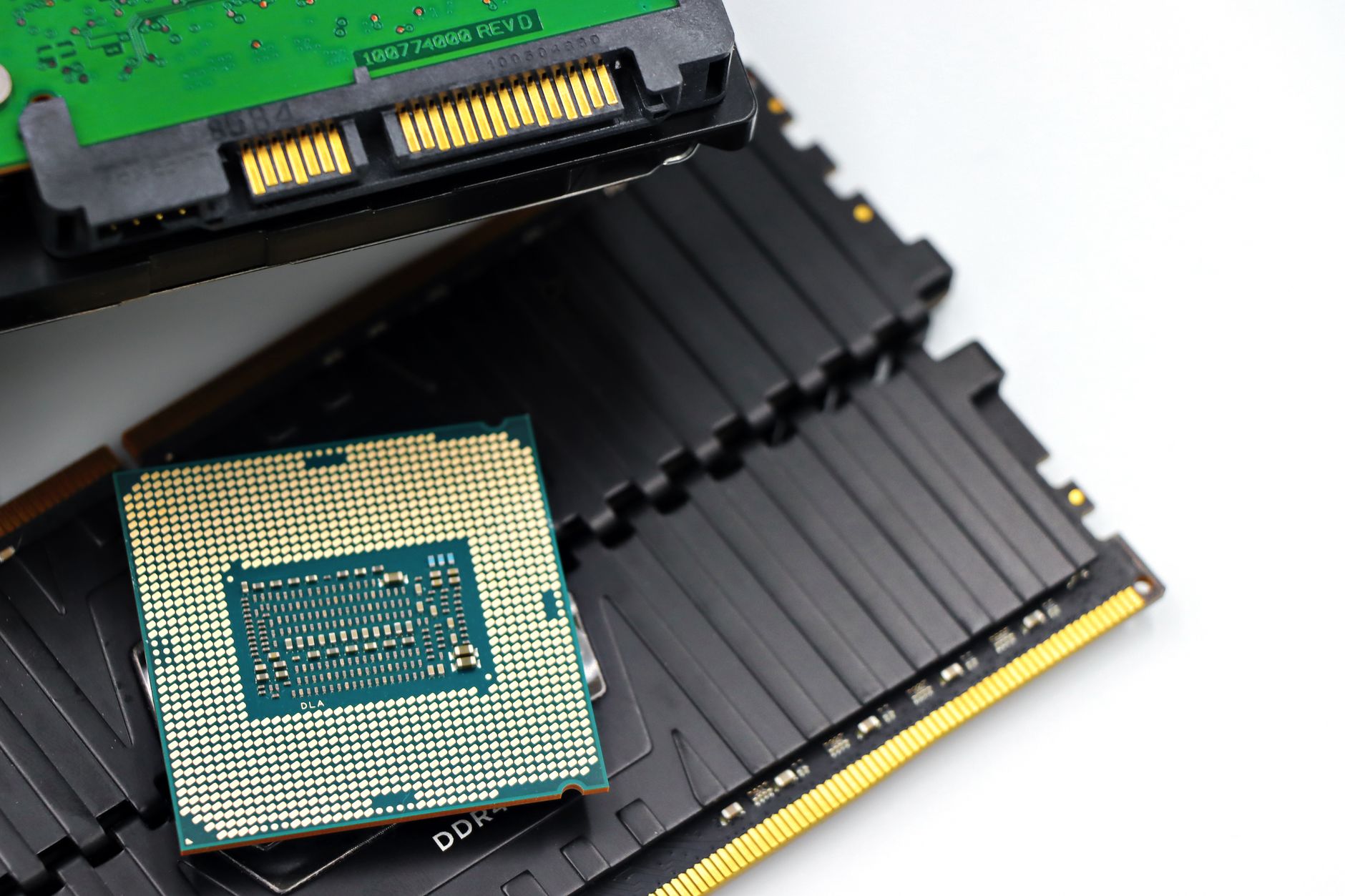
Spider-Man Remastered and Hogwarts Legacy both favor the 9800X3D, though for slightly different reasons. Spider-Man’s open-world traversal creates the same irregular cache pressure that Cyberpunk does, and the 3D V-Cache architecture handles it confidently. Hogwarts Legacy is less about cache and more about single-threaded performance in its older engine, where the 9800X3D’s Zen 5 IPC advantage compounds with the cache benefit. In both titles, the 9800X3D posts better 1% lows than the 265K, which is the metric that actually determines how smooth a session feels rather than average frame rate alone.
Dying Light 2 is the one title where the 265K’s thread count makes a meaningful difference. The game’s simulation workload scales across more cores than most titles, and Intel’s 20-core configuration handles it well. Average frame rates are close, but the 265K shows marginally better sustained performance during intense combat sequences where the AI simulation spikes. It is not a decisive win, but it is the clearest indication that Intel’s hybrid core approach has real practical uses in games designed to spread work across many threads.
Power Draw and Thermals Under Ray Tracing Loads
Ray tracing at 1080p pushes both chips harder than standard rasterization workloads, and the power behavior of each platform reflects that. The 9800X3D runs cool and efficient under gaming loads, typically drawing between 65W and 85W at the wall during the RT benchmarks. The Core Ultra 7 265K runs warmer and pulls more power, particularly during the multi-threaded portions of the Dying Light 2 test where it can spike toward 125W. For small form factor builds or systems with limited airflow, that gap matters when choosing a cooling solution.
Thermal headroom also affects how each chip behaves during extended sessions. The 9800X3D’s lower TDP means it maintains its boost clocks more consistently over a long gameplay session without requiring aggressive fan curves. The 265K’s hybrid cores do throttle slightly in thermally constrained cases, which can erode its frame time consistency over time. Neither chip is difficult to cool with a decent 240mm AIO or high-end air cooler, but the 9800X3D gives builders more flexibility.
Which Chip Should You Buy for Ray Tracing at 1080p
The 9800X3D wins this comparison on most of the metrics that matter for 1080p ray tracing gaming. Its cache advantage is directly relevant to the way modern ray-traced games access memory, and that advantage compounds in open-world titles where CPU bottlenecks hit hardest. For a player who primarily games and wants the smoothest possible experience with ray tracing enabled, the 9800X3D is the easier recommendation.
The Core Ultra 7 265K is not a bad chip for gaming – it performs well in titles that scale across threads and holds its own in GPU-bound scenarios where the CPU ceiling does not get hit. Its real advantage over the 9800X3D lies outside of gaming, in workloads like video encoding, rendering, and productivity tasks where thread count pays off. For a look at how it handles those workloads directly, the Ryzen 7 9800X3D vs Core Ultra 7 265K content creation comparison covers that ground thoroughly.

Pricing shifts over time, and both chips have seen fluctuations since launch, so the value calculation changes depending on when you are shopping. But at comparable street prices, the 9800X3D delivers a more consistent and faster ray tracing experience at 1080p, and the 1% low advantage in titles like Cyberpunk 2077 and Spider-Man Remastered is not something that closes with a driver update or BIOS tweak – it is baked into the architecture itself.
Frequently Asked Questions
Is the Ryzen 7 9800X3D better than the Core Ultra 7 265K for ray tracing at 1080p?
Yes, the 9800X3D leads in most ray-traced titles at 1080p, particularly in open-world games where its large L3 cache reduces CPU bottlenecks and improves 1% low frame rates.
Does the Core Ultra 7 265K have any gaming advantage over the Ryzen 7 9800X3D?
The 265K performs competitively in titles that scale across many threads, like Dying Light 2, and closes the gap in GPU-bound scenarios where the CPU is not the limiting factor.