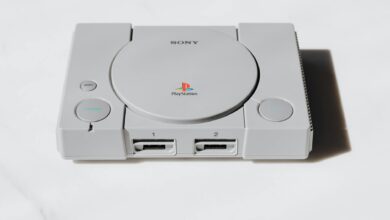
Valve has already tried to put a PC under the living room TV, and the first attempt mostly ended up in the footnotes of PC gaming history. When the original Steam Machines arrived in 2015, they were a scattered lineup of boxes from various hardware partners, all running a Linux-based SteamOS that couldn’t play most of the Steam library. Buyers had little reason to choose one over a console or a regular gaming tower.
Now Valve is back with a Steam Machine of its own design, and the context looks very different. The company has a successful handheld behind it, a compatibility layer that has matured over several years, and a living room market where console prices keep drawing complaints. The question is whether a small, console-shaped PC can finally find an audience that the 2015 version never did.

What Valve Is Selling This Time
The new Steam Machine is a compact cube built by Valve itself rather than a licensed design spread across several manufacturers. It is built around custom AMD silicon, and Valve has described it as several times more powerful than the Steam Deck. The pitch is straightforward: a quiet, small box that sits next to a TV and handles modern games at living room resolutions, with upscaling technology such as AMD’s FSR filling the gap where native 4K would be too demanding.
The software side matters as much as the hardware. The Steam Machine runs SteamOS, which boots into the same controller-friendly interface that Steam Deck owners already know. There is also a desktop mode underneath, so the machine is still a PC. You can install other launchers, browsers and tools, which is something no PlayStation or Xbox will ever let you do without a fight.
Valve is not launching the box alone. It is part of a wider hardware push that includes a new Steam Controller and the Steam Frame, a VR headset. Together they sketch a Valve ecosystem that runs from handheld to TV to headset, all pointed back at one storefront and one library. That is a more coherent strategy than the 2015 effort ever managed.
The Ghost of 2015
The first Steam Machines failed for reasons that were obvious in hindsight. The hardware came from multiple vendors at inconsistent prices, and the Linux library was thin. Many of the biggest releases simply did not run.
Buyers were also asked to pay a PC premium for a machine that offered fewer games than the Windows PC they could build themselves. Valve’s ambition was ahead of its software, and the software was the part that mattered.

Why the Timing Is Different
The Steam Deck changed the math. When it arrived in 2022, it proved that a large audience would accept a Linux-based machine if the games simply worked. The key was Proton, the compatibility layer that translates Windows games to run on SteamOS, combined with the Verified program that tells players up front what to expect. Years of refinement mean a Steam Machine does not launch into an empty library. It launches into a catalog that Valve has been quietly testing, patching and labeling on a handheld for years.
That track record also changes how the Steam Machine competes with consoles. A PlayStation or Xbox is a closed box with a fixed storefront, and its owners pay for online play and rebuy games when they switch generations. A Steam Machine plugs into a library many players already own, with frequent sales and no subscription wall for basic multiplayer. For someone with hundreds of games on Steam, the box is less a new purchase than a new way to reach what they already have. Steam’s storefront still faces pressure from rivals, and the Epic Games Store has been courting developers with a new revenue model, but a dedicated Valve device for the living room gives Steam a physical foothold that other PC storefronts lack.
Price is where the argument gets difficult. Console makers have historically sold hardware at thin margins, or at a loss, and recoup the money through software and services. Valve has no such machinery for subsidizing a living room PC, and a box built on a custom chip with this much memory and storage has real costs. If the Steam Machine lands well above console pricing, its flexibility becomes a harder sell to the casual buyer who just wants to play the newest release on the couch. If Valve prices aggressively, it has to be willing to accept slim returns on the hardware itself, which is a bet the company can afford more easily than most because it already collects a cut of every sale on Steam.

The remaining weak spot is a familiar one. Some of the biggest multiplayer games rely on kernel-level anti-cheat that has refused to run on Linux, and no amount of polish on the SteamOS interface can fix a game that will not launch. Steam Deck owners have lived with that gap for years, and a TV-connected machine aimed at a broader audience will expose it to people who never read a compatibility page and just want to know why their friend’s game won’t start.