Competitive FPS gaming demands precision, speed, and every possible advantage. While traditional 16:9 monitors have dominated esports for years, ultrawide displays are carving out their own niche among players who want expanded peripheral vision without sacrificing competitive performance. The key lies in finding models that balance the immersive benefits of ultrawide gaming with the high refresh rates and low latency that competitive shooters require.
The challenge with ultrawide monitors in competitive gaming isn’t just about finding a large screen – it’s about matching the performance standards that serious FPS players expect. Response times under 1ms, refresh rates above 144Hz, and consistent frame delivery become even more critical when you’re pushing more pixels across a wider field of view.
1. ASUS ROG Swift PG34WCDM – 240Hz OLED Excellence
The ASUS ROG Swift PG34WCDM represents the current peak of ultrawide competitive gaming technology. This 34-inch curved OLED panel delivers a native 240Hz refresh rate at 3440×1440 resolution, putting it on par with the fastest traditional gaming monitors. The OLED technology provides true blacks and instant pixel response times that eliminate motion blur entirely.
What sets this monitor apart for competitive FPS gaming is its combination of speed and visual clarity. The 240Hz refresh rate ensures smooth motion tracking during fast-paced firefights, while the OLED panel’s infinite contrast ratio makes enemies easier to spot in dark corners. The monitor includes NVIDIA G-SYNC Ultimate certification and supports variable refresh rate technology across both NVIDIA and AMD graphics cards.
The main consideration is price and potential OLED burn-in with static HUD elements, though modern gaming OLEDs include protective features like pixel shifting and automatic brightness adjustment to minimize these concerns.
2. Samsung Odyssey G7 C34G75T – Aggressive Curve Performance
Samsung’s Odyssey G7 in ultrawide form factor brings the same competitive-focused features that made the 16:9 version popular among esports players. The 34-inch VA panel runs at 165Hz with a 1ms response time, while the aggressive 1000R curve creates an immersive gaming experience that can enhance peripheral vision awareness.
The monitor’s Quantum Dot technology delivers vibrant colors that help with enemy visibility, particularly in games where visual clarity provides tactical advantages. HDR600 certification improves contrast in supported titles, though most competitive players disable HDR for consistency. The build quality feels solid with a sturdy stand that maintains stability during intense gaming sessions.
One potential drawback is the aggressive curve, which some players find distracting initially. The curve works well for gaming but can make desktop work and productivity tasks feel awkward compared to gentler curves or flat panels.
3. LG 34GN850-B – Balanced IPS Performance
LG’s 34GN850-B offers a more traditional IPS panel approach to ultrawide competitive gaming. The 144Hz refresh rate paired with 1ms response time (with overdrive enabled) provides smooth performance, while the IPS technology delivers consistent colors and wide viewing angles that some players prefer over VA panels.
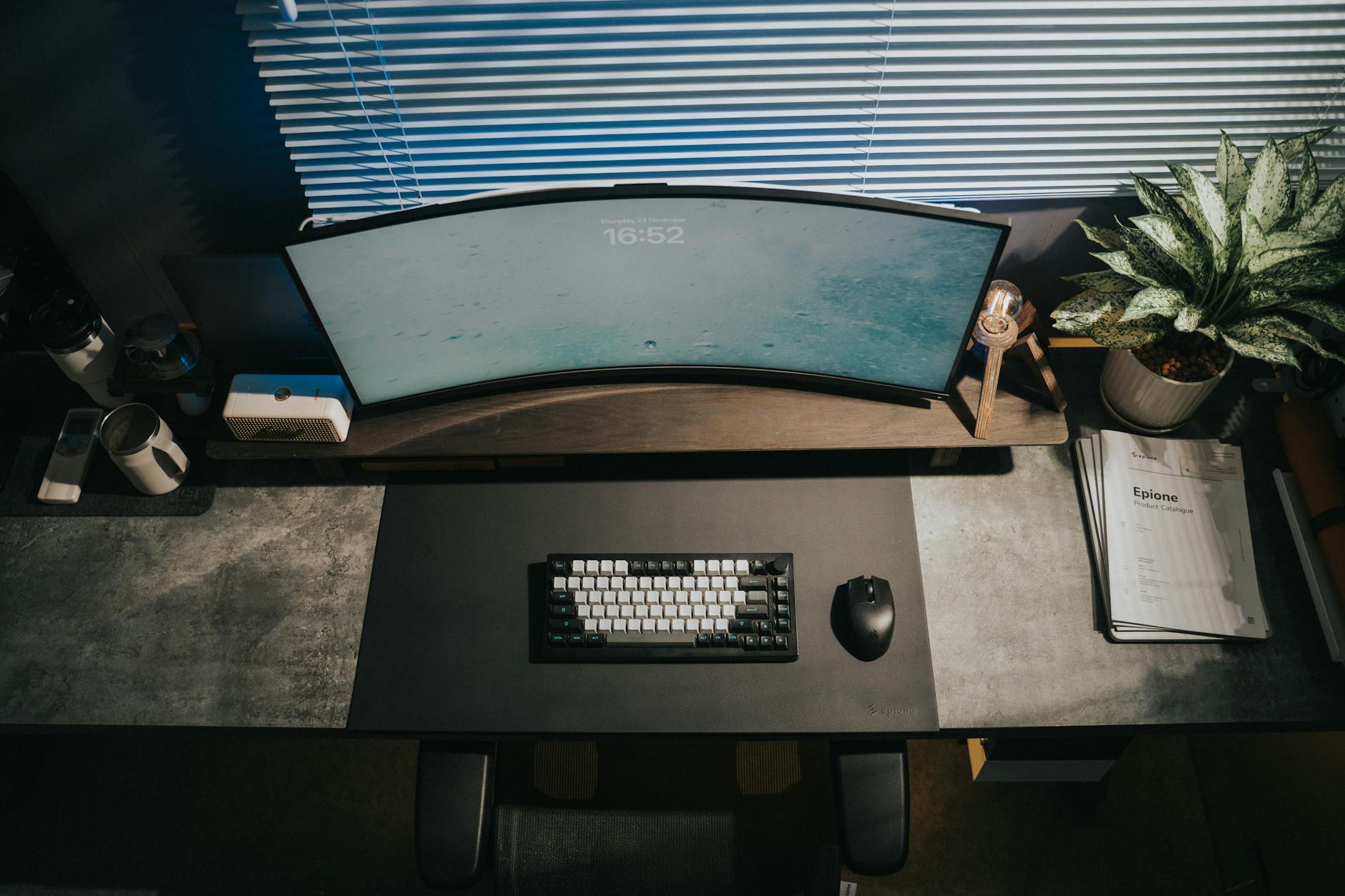
The monitor supports both NVIDIA G-SYNC Compatible and AMD FreeSync Premium Pro, making it versatile across different graphics card setups. Color accuracy is excellent out of the box, which benefits streamers or content creators who game competitively. The gentler 1900R curve feels more natural than Samsung’s aggressive curvature while still providing some immersive benefit.
Response time performance, while good, doesn’t quite match the fastest TN or OLED panels. Some users report slight IPS glow in dark scenes, though this varies between individual units and viewing angles.
4. Alienware AW3423DW – QD-OLED Innovation
Dell’s Alienware AW3423DW introduced QD-OLED technology to the ultrawide gaming market, combining the response time benefits of OLED with Quantum Dot color enhancement. The result is a 175Hz ultrawide that delivers exceptional motion clarity with vibrant, accurate colors.
The QD-OLED panel provides true blacks like traditional OLED but with better brightness levels and reduced burn-in susceptibility. For competitive FPS gaming, this translates to excellent visibility in dark areas while maintaining smooth motion during rapid camera movements. The monitor includes comprehensive connectivity with DisplayPort 1.4, HDMI 2.0, and USB hub functionality.
The main limitation is the 175Hz refresh rate, which falls short of the 240Hz standard many competitive players prefer. However, the superior motion clarity from OLED technology can offset some of this disadvantage, particularly for players who prioritize visual quality alongside competitive performance.
5. AOC CU34G2X – Budget-Conscious Competition
AOC’s CU34G2X proves that competitive ultrawide gaming doesn’t require premium pricing. This 34-inch VA panel delivers 144Hz refresh rate with FreeSync support, providing solid performance for players who want to explore ultrawide gaming without major investment.
The 1500R curve strikes a balance between immersion and practicality, while the VA panel technology offers good contrast ratios that help with enemy visibility. Build quality feels adequate rather than premium, but the monitor includes essential features like height adjustment and VESA mounting compatibility.
Response time performance trails the premium options, and color accuracy requires calibration for optimal results. However, for players transitioning from standard monitors or working within budget constraints, the CU34G2X provides a reasonable entry point into competitive ultrawide gaming.
Making the Competitive Choice
The decision between these ultrawide options depends largely on your competitive priorities and graphics hardware capabilities. Players with high-end GPUs who prioritize maximum performance should consider the ASUS OLED or Samsung Odyssey G7, while those seeking balanced performance might prefer the LG IPS option.
Frame rate requirements matter significantly – pushing 3440×1440 resolution at high refresh rates demands substantial GPU power. Even with modern graphics cards, maintaining 240fps in competitive titles at ultrawide resolution requires careful settings optimization and potentially lower visual quality presets.
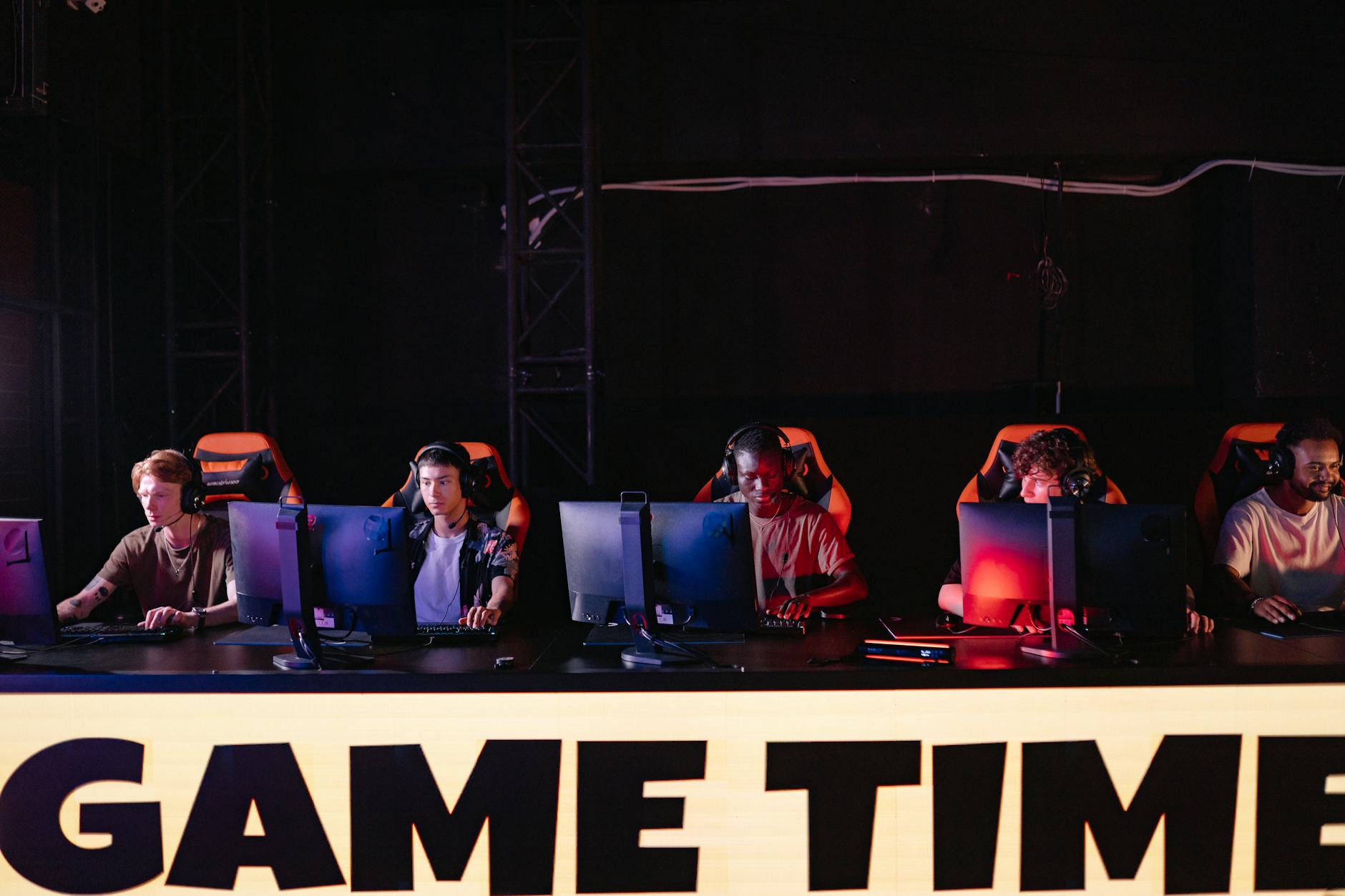
The peripheral vision advantages of ultrawide monitors can provide tactical benefits in certain FPS titles, though many competitive leagues and tournaments still use standard 16:9 displays. Players should consider whether their primary gaming focus is ranked matchmaking, where ultrawide advantages apply, or organized competitive play where standard monitors remain the norm.
Frequently Asked Questions
Can ultrawide monitors compete with standard monitors for FPS gaming?
Yes, modern ultrawide monitors offer 240Hz refresh rates and 1ms response times matching traditional competitive displays.
Do ultrawide monitors provide advantages in competitive FPS games?
They offer expanded peripheral vision for better situational awareness, though most esports tournaments use standard 16:9 displays.