Two Handhelds, One Clear Fight for the Windows Gaming Market
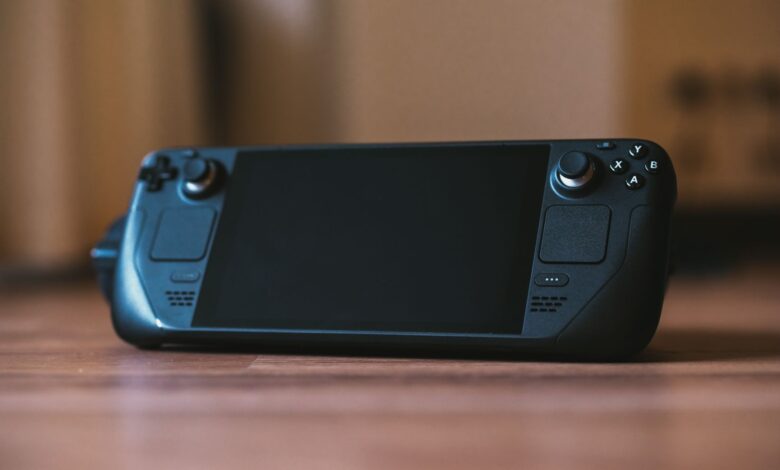
The handheld PC gaming market has gotten genuinely crowded, and Zotac’s entry – the Zone – is one of the more serious attempts to challenge Valve’s near-dominant position with the Steam Deck OLED. Zotac is best known for discrete graphics cards and compact desktop systems, but the Zone represents a direct push into portable Windows gaming territory. The question is not whether it can run games. The question is whether it does anything better than the device that set the standard.
The Steam Deck OLED launched in late 2023 with an upgraded display, improved battery life, and refined build quality over the original LCD model. It runs SteamOS by default, which remains the most polished handheld gaming operating system available, but it supports Windows through community tools and official drivers. The Zotac Zone runs Windows 11 Home out of the box, which sounds like an advantage until you actually use a handheld with a full desktop OS and no controller-optimized launcher baked in.
Valve’s software ecosystem has a years-long head start.
Hardware Specs and Build Quality
The Zotac Zone ships with AMD’s Ryzen Z1 Extreme APU – the same chip found in the Asus ROG Ally. It pairs this with 16GB of LPDDR5 RAM and up to 512GB of PCIe 4.0 NVMe storage. The display is a 1080p IPS panel at 120Hz, which is a sharper resolution than the Steam Deck OLED’s 800p screen but misses the OLED’s clear advantage in contrast and color accuracy. On paper, 1080p at 120Hz sounds better. In practice, the Deck’s display looks noticeably richer in a side-by-side comparison, especially in darker scenes or HDR-enabled titles.
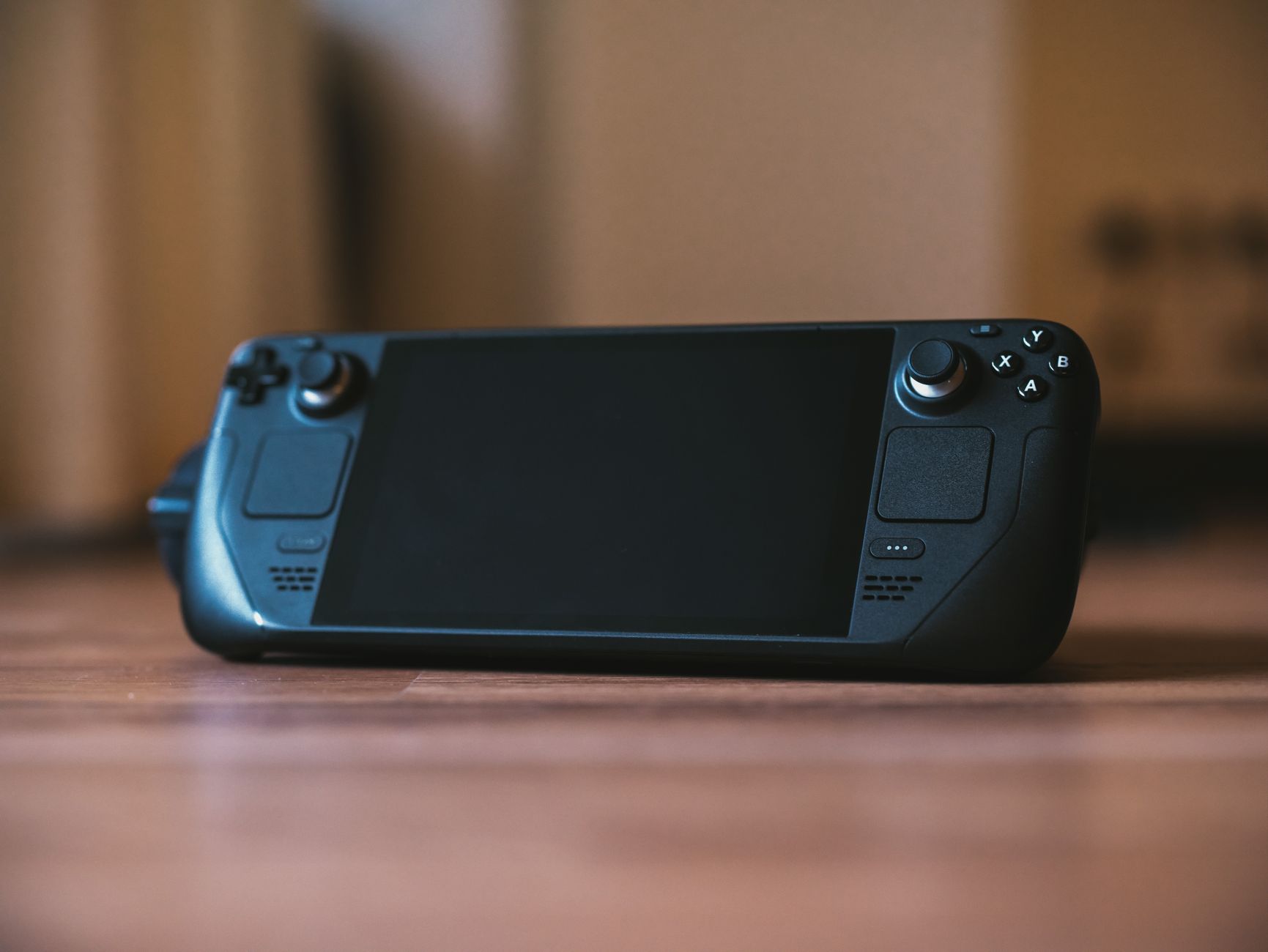
Physically, the Zone is wider and heavier than the Steam Deck OLED, coming in around 640 grams versus the Deck’s 640g – they are nearly identical in weight, which is surprising. The grip shape differs considerably though. Zotac opted for a more traditional controller-style grip with pronounced back curves, while Valve’s design feels flatter and wider, which tends to suit longer sessions better for players with larger hands. The Zone’s buttons and thumbsticks feel tighter out of the box, with the thumbsticks in particular offering a satisfying resistance that the Steam Deck’s slightly looser sticks do not match. The back buttons on the Zone are also easier to reach without repositioning your grip.
One hardware detail that matters more than it sounds: the Zone has a dedicated 2.5Gbps Ethernet port via a bundled USB-C adapter in the box. Steam Deck does not ship with one. For anyone who downloads large game libraries on handheld or plans to use either device docked, that addition has daily practical value. The Zone’s fan noise is noticeably louder under load than the Steam Deck OLED, which runs relatively quiet during mid-intensity sessions. At full performance mode, the Zone audibly ramps up, enough to notice in a quiet room.

Gaming Performance Head to Head
Running Cyberpunk 2077 at 1080p with medium settings, the Ryzen Z1 Extreme in the Zone delivers around 40-50fps depending on area density, with FSR 2 enabled. The Steam Deck OLED, running the same title through Proton at 800p with low-medium settings, targets 30-40fps but holds that frame rate with considerably less variance. The Deck’s lower resolution target actually works in its favor here – the hardware is not being pushed beyond a sustainable envelope, and SteamOS’s per-game optimization profiles handle power limits in ways Windows 11 does not replicate without third-party tools like Handheld Companion or HIDAPI.
In Elden Ring, both devices run at a locked 60fps with appropriate settings adjustments, and neither has a clear edge in raw playability. Hades II and similar lighter indie titles run flawlessly on both. Where the Zone genuinely separates itself is in titles that benefit from higher resolution or that are difficult to run on Linux through Proton – native Windows games with aggressive anti-cheat systems like Fortnite or certain competitive shooters run without the compatibility workarounds that Steam Deck still sometimes requires. That is a real differentiator for a specific subset of players.
Battery life favors the Steam Deck OLED in every scenario tested. The Deck manages roughly 7-8 hours on lighter titles at 15W TDP, while the Zone delivers closer to 4-5 hours in comparable conditions. At maximum performance settings, that gap gets wider. Both devices support fast charging, and the Zone’s 65W USB-C charging is slightly faster to full capacity, but the practical daily reality is that the Deck simply stays unplugged longer. For travel or commute use, that difference is hard to ignore.
Software Experience and Ecosystem Friction
This is where the comparison stops being close. SteamOS on the Steam Deck is a purpose-built interface for playing games with a controller. The entire experience – from library browsing to in-game overlays to sleep and wake behavior – is tuned specifically for handheld use. Windows 11 on the Zone is not. The Zone ships without a dedicated handheld launcher, which means on first boot you are navigating a full desktop environment with a thumbstick and small touchscreen. Zotac includes their own Zone Companion software, which adds quick settings for TDP and fan curves, but it does not replace a full controller-mode front end.
Installing and configuring third-party tools like Playnite or Handheld Companion closes the gap significantly, but that setup process requires time and comfort with Windows configuration. Someone who just wants to pick up a device and start playing a Steam library is better served by the Deck on day one. The Zone rewards users who want full Windows flexibility – access to Xbox Game Pass via the app, Epic Games Store, GOG, and any DRM-free game without compatibility questions. That openness comes at a usability cost that is entirely real for general consumers.

Which One Should You Buy
The Steam Deck OLED retails at $549 for the 512GB model. The Zotac Zone with comparable storage comes in above that, typically around $699-$799 depending on configuration and retailer. At that price gap, the Zone needs to offer a meaningfully better experience to justify the premium, and it does not do that consistently enough. The stronger performance ceiling in demanding Windows-native titles and the better physical button layout are genuine advantages, but they are narrow ones. The Steam Deck OLED’s display, battery life, and software experience are not minor conveniences – they define what it actually feels like to use the device every day. The Zone is a capable machine that makes the most sense for players who have already run into the limits of SteamOS and specifically need full Windows compatibility, not for anyone coming to handheld PC gaming fresh.