Two Top-Tier Air Coolers, One Clear Thermal Gap
Cooler Master’s Hyper 622 Halo has been making noise in the air cooling market since its release, positioned as a direct challenger to the cooler that has defined the category for years: the Noctua NH-D15. Testing both on the same platform reveals a more nuanced story than the spec sheets suggest.
Design, Build, and What You’re Actually Paying For
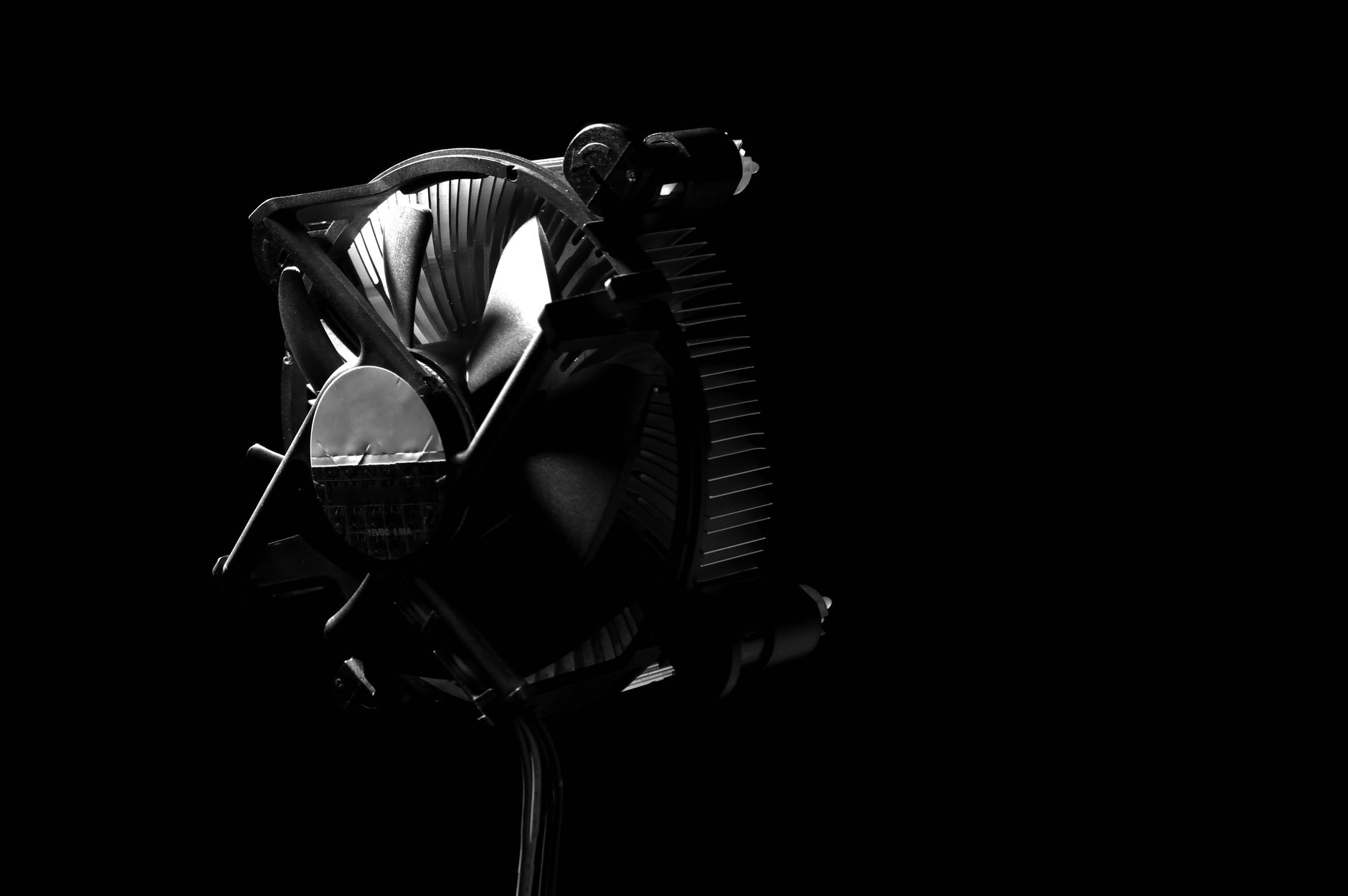
The Hyper 622 Halo runs with a dual-tower, six-heatpipe design topped by two 120mm ARGB fans. At 168mm tall and roughly 1.4kg, it sits in the same physical weight class as Noctua’s flagship, though the two coolers look nothing alike. Cooler Master leans into RGB aesthetics with the Halo lighting ring on the fans, while Noctua sticks with its polarizing brown-and-beige palette and zero RGB. For a case with a tempered glass panel, that distinction matters to a significant portion of builders.
The NH-D15 uses dual 140mm fans in its standard configuration, which gives it a mechanical advantage in static pressure and airflow at lower RPMs. Noctua’s NF-A15 fans have a hard-earned reputation for near-silent operation even under sustained load, and that reputation holds up in back-to-back testing. The Hyper 622 Halo’s included fans are competitive, but they spin faster under thermal pressure, meaning noise output increases more noticeably as the workload climbs.
Both coolers support modern CPU sockets without issue, including AM5 and LGA1700 and LGA1851. Installation tells a different story between the two. Noctua ships a mounting system that is genuinely one of the better experiences in PC building – clear instructions, quality hardware, and a SecuFirm2+ bracket that requires no backplate replacement on most Intel boards. Cooler Master’s mounting is solid but involves more steps, and the ARGB cable management across two fans adds minor friction to what should be a straightforward install.
Pricing puts the Hyper 622 Halo around $65-70 USD at most major retailers, while the NH-D15 sits closer to $100-110 depending on the variant. That’s a meaningful gap, and it’s the lens through which every thermal result below needs to be read.
Thermal Performance: Where the Numbers Get Interesting

Testing was conducted on an AMD Ryzen 7 9800X3D platform – a chip known for running hot under sustained all-core loads despite its gaming efficiency. For context on how thermally demanding that chip can get in different build configurations, the AMD Ryzen 7 9800X3D Mini-ITX build thermal limits tested piece covers some of those edge cases in detail. Ambient temperature during testing was held at 22 degrees Celsius, with both coolers mounted with Noctua NT-H1 thermal paste to control that variable.
Under Cinebench R23 multi-core sustained (10 minutes), the NH-D15 posted package temperatures averaging around 78-80 degrees Celsius. The Hyper 622 Halo landed between 83-86 degrees Celsius in the same scenario. That is a real gap – roughly 5-6 degrees – but not a thermal cliff that makes the Cooler Master a bad choice. For the vast majority of gaming workloads, both coolers keep the 9800X3D well within operating comfort, since gaming loads rarely push all-core sustained stress for extended periods.
The gap widens slightly under Prime95 small FFTs, which is a worst-case synthetic stress test most real workloads will never reproduce. Here the NH-D15 maintained its lead at around 7-8 degrees cooler, with fan speeds climbing on both units. The Noctua’s 140mm fans do their best work here – they move more air per revolution, which keeps acoustic output lower at equivalent thermal load. Running both coolers at matched fan speeds (1200 RPM) to compare acoustics directly, the NH-D15 is audibly quieter, though both remain well within acceptable ranges for a mid-tower with the side panel on.
Where the Hyper 622 Halo genuinely closes the gap is in lighter workloads and gaming scenarios. Monitoring temperatures during a 30-minute session of a GPU-heavy title shows both coolers performing within 2-3 degrees of each other, with the Cooler Master occasionally matching or nudging ahead depending on in-game scene complexity and how aggressively the CPU boosts. The ARGB fans add a visual element that, while irrelevant to cooling math, does affect the ownership experience for a class of builders who care about case aesthetics.
Noise levels at full RPM favor Noctua, but the Hyper 622 Halo is not objectionable. It becomes relevant only when comparing both units against each other directly in a quiet room. Drop a decent case around either one, and casual users will not notice the difference at typical gaming or productivity loads.
Who Should Buy Which
The NH-D15 wins the thermal and acoustic comparison, and that verdict is not particularly close when both coolers are pushed hard. For content creators, streamers, or anyone running sustained multi-threaded workloads on a high-core-count processor, Noctua’s flagship earns its price premium with room to spare. The build quality and fan quality are simply at a different level, and the cooler has a proven track record across multiple processor generations.
The Hyper 622 Halo makes a strong argument for builders working with a tighter budget or prioritizing aesthetics in a windowed build. Spending $35-40 less and landing within 5-6 degrees under extreme stress – while getting ARGB lighting – is not a bad trade for a gaming-focused system. The cooler handles mainstream gaming rigs without breaking a sweat, and on mid-range CPUs that generate less heat than the 9800X3D, the performance gap versus the NH-D15 narrows further. The real question is whether the Hyper 622 Halo is the right value pick or simply the cheaper option, and on an overclocked processor with a demanding workload, that distinction starts to matter.