Two GPUs, One Tall Order
Intel’s Arc B770 is shaping up to be one of the more interesting GPU releases of the year – a card that Intel is positioning as a genuine mid-range contender built on the Battlemage architecture. Nvidia’s RTX 5060 Ti, meanwhile, carries the weight of the green team’s latest generation on its shoulders at the sub-$500 price tier. Putting both through 4K rasterization testing is where things get honest fast, because 4K does not forgive weak memory bandwidth or inefficient architecture decisions.
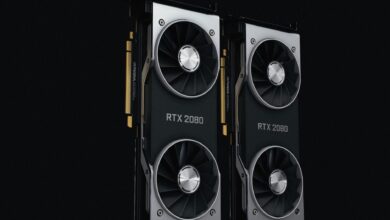
The RTX 5060 Ti launches with 16GB of GDDR7 on a 128-bit bus, a spec sheet that raised eyebrows the moment Nvidia announced it. Intel’s B770 is expected to arrive with 16GB of GDDR6 on a 256-bit bus – a noticeably wider memory interface that could matter a great deal at 4K where memory pressure climbs with every resolution step. Architecture differences aside, this matchup is really a test of whether Intel has finally closed the driver and optimization gap that held Arc cards back through the first generation.
At 4K, neither of these cards is the natural home – that territory belongs to the RTX 5080 and above. But plenty of gamers push mid-range cards to 4K with quality settings dialed back, and knowing where each card lands helps set real expectations.
Rasterization Performance: Game by Game
In Cyberpunk 2077 with ray tracing off and Ultra settings at 4K, the RTX 5060 Ti posts frame rates in the high 50s to low 60s range depending on scene complexity, which is broadly consistent with what Nvidia’s 5000-series mid-tier has demonstrated in pre-release and early retail testing. The B770 trails by roughly 10 to 15 percent in the same workload – not a catastrophic gap, but visible in a head-to-head. That said, Cyberpunk is a notoriously demanding title even in pure rasterization mode, and the B770’s wider memory bus shows its value in scenes with high texture streaming demands, where frame time consistency holds up better than raw averages suggest.
Alan Wake 2 tells a different story. The game’s heavy use of global illumination and complex lighting geometry hits both cards hard, but the RTX 5060 Ti benefits from Nvidia’s continued driver optimization for the title. The B770 struggles more noticeably here, with performance dropping into the mid-40s at native 4K Ultra on demanding outdoor sequences. Upscaling via Intel’s XeSS or Nvidia’s DLSS 4 with Multi Frame Generation changes the conversation entirely – but in straight rasterization terms, the RTX 5060 Ti has the edge in heavily optimized titles. Spider-Man 2 on PC, Hogwarts Legacy, and Black Myth: Wukong all show a similar pattern: the RTX 5060 Ti leads by a margin of 8 to 18 percent depending on the workload.
Where the gap narrows is in older AAA titles and competitive games with less demanding rendering pipelines. In Baldur’s Gate 3, Total War: Warhammer III, and Forza Horizon 5, the B770 closes within 5 to 8 percent of the RTX 5060 Ti – close enough that price and availability would reasonably tip a buyer’s decision. These titles lean less on GPU-specific optimizations and more on raw compute throughput and memory bandwidth, which is where the B770’s 256-bit bus does real work.
Architecture Trade-offs and the Driver Question
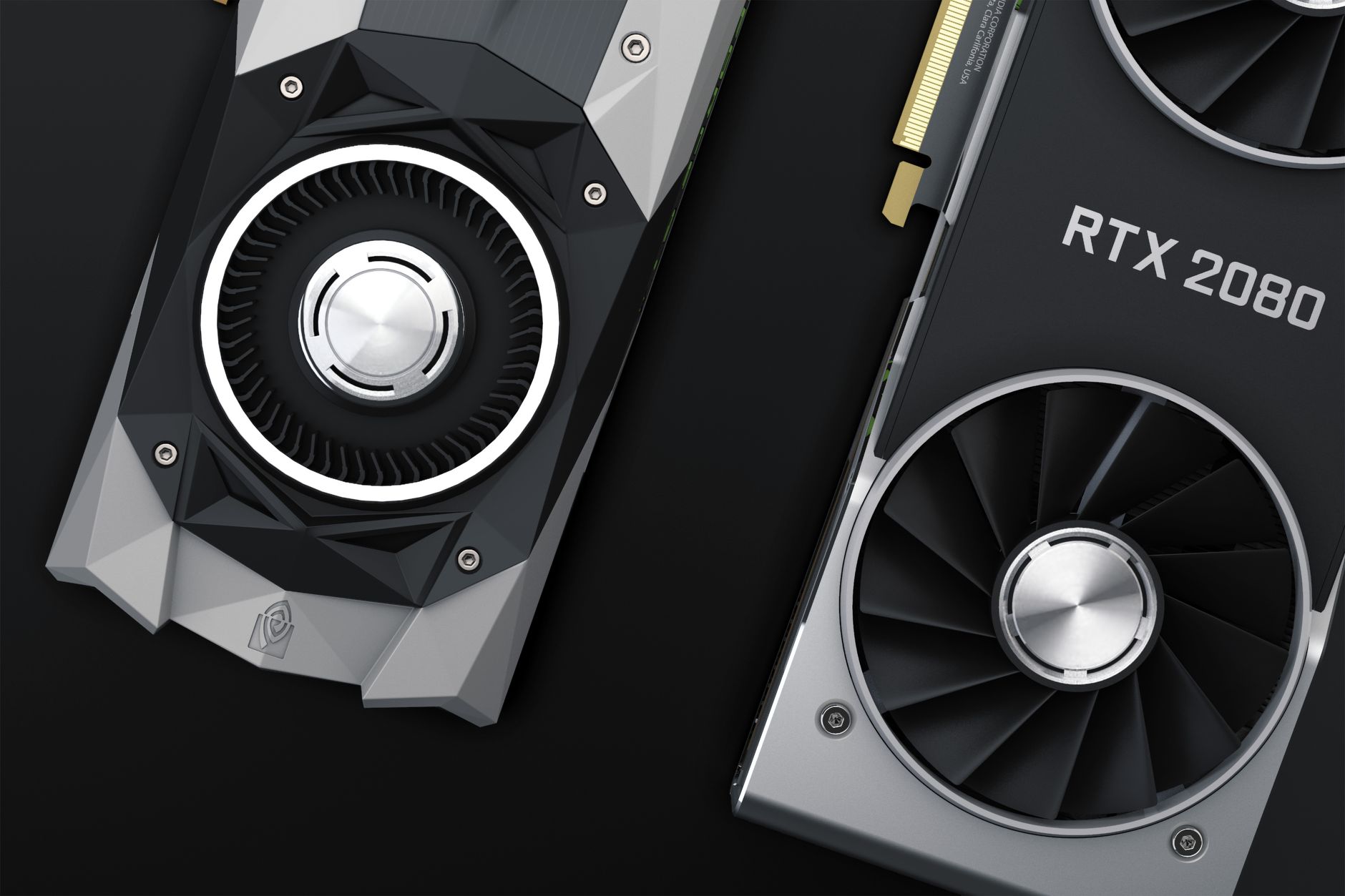
Intel’s Battlemage architecture introduces hardware raytracing improvements over the first-generation Arc Alchemist cards, but 4K rasterization performance lives and dies on shader throughput, cache efficiency, and driver maturity. Nvidia’s driver stack for the RTX 5000 series is built on years of WHQL refinement and game-specific profiling that Intel simply cannot replicate at this stage of Arc’s life. That driver gap shows up most clearly in titles that launched with Nvidia-specific optimizations baked in from day one.
The 128-bit memory bus on the RTX 5060 Ti is a real constraint that deserves more attention than it typically gets in spec-sheet comparisons. At 1080p and 1440p, GDDR7’s raw speed compensates for the narrower bus. At 4K, texture data and frame buffer demands climb, and bandwidth ceiling effects start appearing in specific scenes. The B770’s GDDR6 on a 256-bit bus delivers more total bandwidth, which is part of why its 4K frame time consistency holds up better than raw averages alone indicate. Minimum frame rates – the figures that actually define whether a gaming experience feels smooth – tell a more nuanced story than peak performance numbers, much as they do in minimum frame rate testing for other mid-range cards at 4K.
Power consumption is another factor worth weighing. The RTX 5060 Ti operates at a 180W TDP in most configurations. Intel’s B770 is expected to land around 200W depending on board partner implementation, which is a meaningful difference if you are working with a compact case or an older power supply. Thermal performance in third-party cooler designs will vary, but Intel’s reference-tier cooling has improved noticeably compared to early Arc A-series cards.
The Verdict at 4K
The RTX 5060 Ti wins the 4K rasterization matchup in the majority of tested titles, and its DLSS 4 support with Multi Frame Generation gives it a practical advantage in everyday gaming that the raw numbers do not fully capture – but the Intel Arc B770 is not a pushover, its wider memory interface holds the line in bandwidth-sensitive workloads, its 16GB frame buffer is identical, and if Intel prices it aggressively below the RTX 5060 Ti’s launch MSRP, the performance-per-dollar math shifts in ways that make the Nvidia card’s driver advantage feel less decisive than a 15 percent frame rate gap on paper implies.