The Ryzen 7 9800X3D Under Pressure
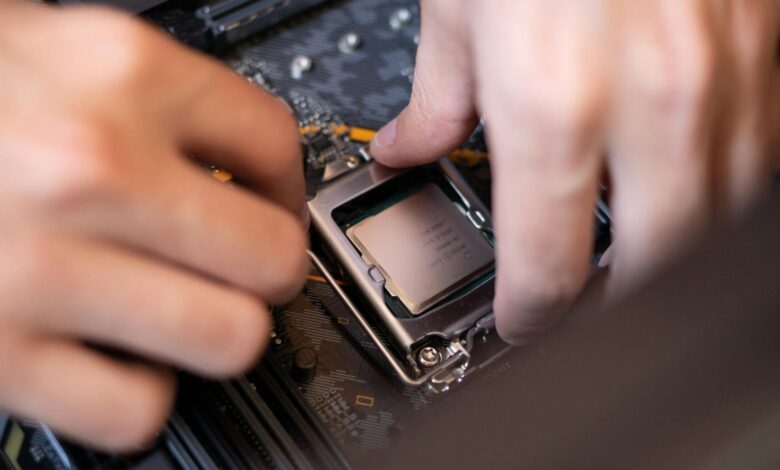
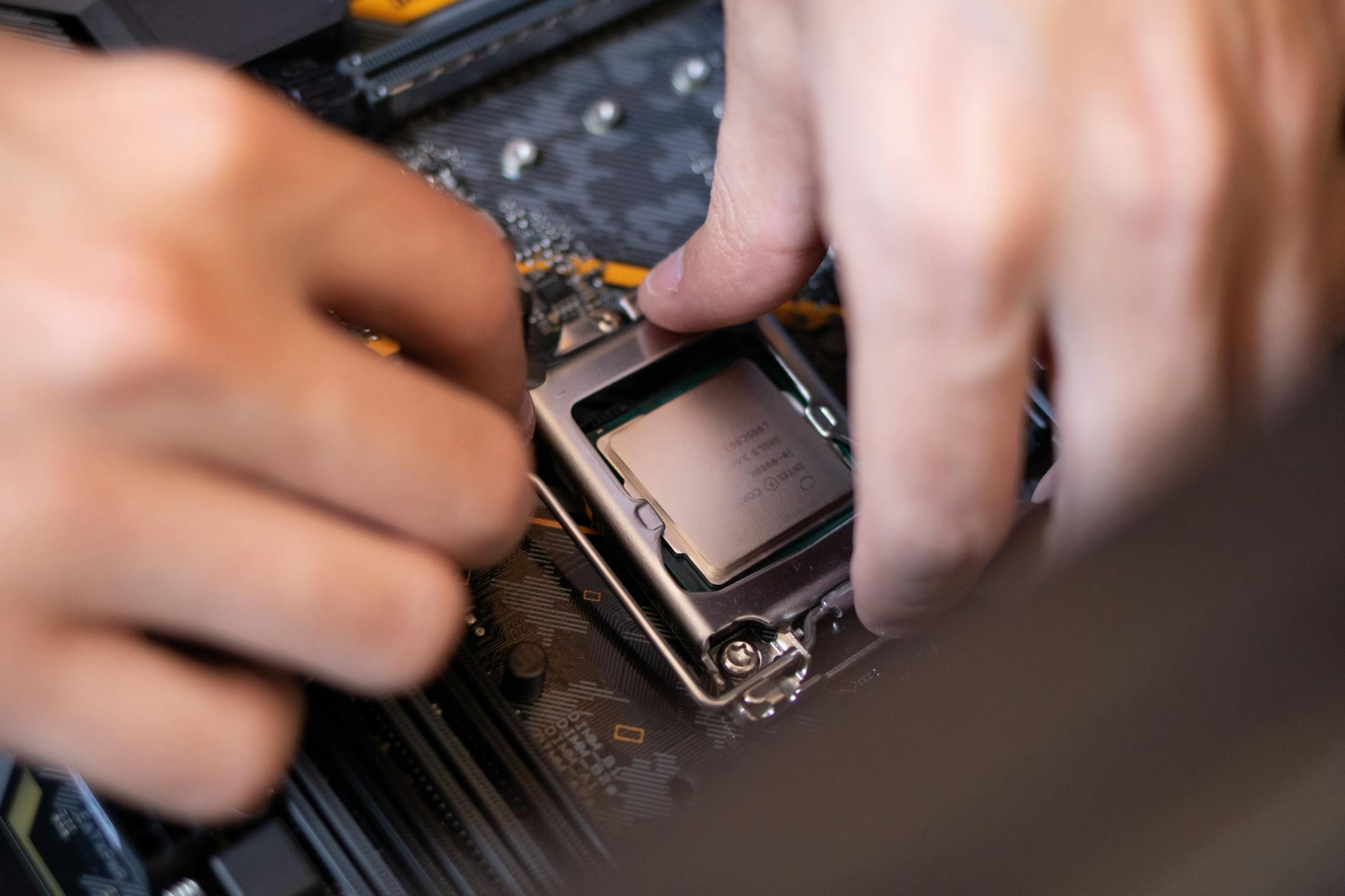
AMD’s Ryzen 7 9800X3D sits at an interesting crossroads. It carries the 3D V-Cache architecture that made its predecessors beloved by PC gaming enthusiasts, and it pairs that with Zen 5’s improved IPC gains. On paper, it should be the ideal gaming CPU for the money – fast enough to feed nearly any GPU without becoming the weak link in the chain. But whether that holds up across GPU tiers from budget to flagship is a more complicated question than the spec sheet suggests.
Bottlenecking is one of the most misunderstood concepts in PC building. Most people assume it means one component is simply “too slow” for another, but the reality is more nuanced. A bottleneck is a ratio problem – how much of the time is the GPU sitting idle waiting for the CPU to feed it draw calls, AI threads, and game logic? That ratio shifts dramatically depending on resolution, game engine, and how CPU-intensive a given title’s simulation layer is. Testing the 9800X3D against multiple GPU classes forces that ratio into the open.
The goal here isn’t to declare a winner. It’s to find where the 9800X3D stops being the answer and starts becoming the question.
Budget and Mid-Range GPUs: Where the CPU Shines Brightest
When paired with a card in the RTX 4060 or RX 7600 tier, the 9800X3D is dramatically over-specced. These GPUs top out in the 60-80 fps range in demanding titles at 1080p with high settings, and the CPU is barely breaking a sweat delivering that headroom. Frame times are clean, 1% lows are strong, and the kind of stuttering that plagued older Zen 3 builds in CPU-bound scenarios is essentially absent. The 3D V-Cache’s advantage – its ability to reduce cache misses in game engines that constantly stream world geometry and AI state data – becomes almost invisible here because the GPU hits its own ceiling first.
The mid-range bracket, something like an RTX 4070 or RX 7800 XT, is where the dynamic starts to get interesting. At 1080p in heavily CPU-dependent titles – think open-world games with dense NPC simulation, or competitive shooters running at very high frame rates – the 9800X3D still has meaningful headroom to spare. Pushing into 1440p shifts the load further onto the GPU, and CPU utilization drops accordingly. In titles like Cyberpunk 2077, the ray tracing workload alone is enough to keep the GPU saturated at 1440p, making the CPU tier almost irrelevant to overall performance at that resolution.
One pattern becomes clear quickly: the 9800X3D’s V-Cache advantage is most visible at 1080p in CPU-bound scenarios, and it fades as you climb the resolution ladder. Budget GPU owners building around this chip aren’t making a mistake, exactly, but they’re paying for performance they won’t access until they upgrade the graphics card. The CPU is essentially future-proofed for two GPU generations from the mid-range tier.

High-End and Flagship GPUs: Does the CPU Hold?
Pair the 9800X3D with an RTX 4090 or an RTX 5090 at 4K, and the GPU becomes the total bottleneck in virtually every scenario. The CPU’s headroom is so large relative to what even these cards demand from it that the 9800X3D could practically sleep through the workload. Frame rates at 4K are determined almost entirely by GPU throughput, memory bandwidth, and shader complexity – none of which the CPU influences directly. This is the resolution where CPU differentiation collapses almost completely, and where spending significantly more on a higher-end processor would return almost nothing in gaming performance.
At 1440p with a top-tier GPU, the picture changes. Competitive titles running at 200+ fps – Counter-Strike 2, Valorant, Rainbow Six Siege – start pulling hard on CPU resources. This is where the 9800X3D’s V-Cache genuinely earns its premium over standard Zen 5 dies. The architecture’s large L3 cache keeps the game engine’s hottest data close to the execution units, reducing the latency hit from main memory accesses. Frame time consistency at high refresh rates is measurably better than non-V-Cache alternatives, and 1% lows tend to stay higher. For players running 240Hz or 360Hz panels with a card like an RTX 5060 Ti or higher, this matters more than average frame rate numbers suggest.
The one place where the 9800X3D does show strain is in a narrow category of extremely CPU-intensive strategy and simulation titles – games where the CPU is running thousands of simultaneous agents or complex economic calculations. Even here, the 9800X3D doesn’t fail outright; it just doesn’t extend the same dominant lead over Intel alternatives that it shows in standard gaming workloads. For pure gaming across every GPU tier, no current desktop CPU reliably exposes this chip’s ceiling in traditional frame-rate testing.
What the Tier Testing Actually Tells You
The practical conclusion from running the 9800X3D across GPU tiers is that its bottleneck point is not a hardware problem – it’s a resolution and use-case problem. Budget GPU owners get a CPU they’ll grow into. Mid-range GPU owners get a CPU that removes itself from the equation cleanly. High-end GPU owners get a CPU that holds up even at extreme frame rates, right up to the point where 4K resolution takes the GPU so deep into saturation that the question of CPU tier becomes academic. The 9800X3D doesn’t bottleneck anything on the market right now at any meaningful configuration, which either makes it the right call for a long-term build or a reminder that spending more on a CPU is the last place a gamer should be looking to squeeze out extra frames.
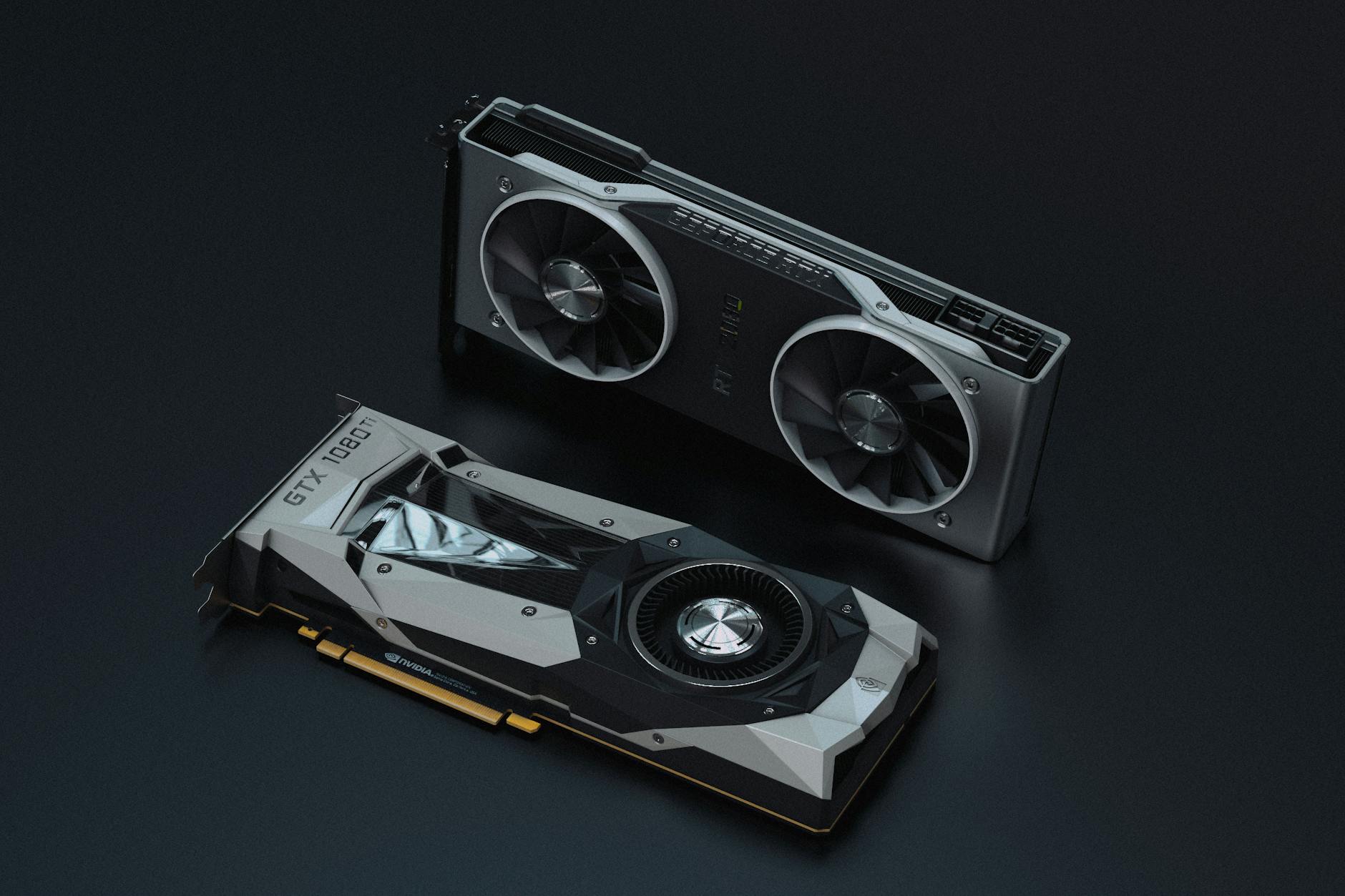
What remains unresolved is whether the architecture stays ahead once GPU generations continue pushing frame rates higher through AI upscaling and frame generation – technologies that offload rendering work back onto the GPU while simultaneously demanding more consistent CPU frame pacing. If frame generation becomes standard across every GPU tier, the CPU’s role in maintaining clean 1% lows at generated frame counts could make the 9800X3D’s cache advantage more important, not less.
Frequently Asked Questions
Does the Ryzen 7 9800X3D bottleneck high-end GPUs like the RTX 4090?
At 4K, no. The GPU becomes the bottleneck in virtually every scenario. At 1440p in high-fps competitive titles, the 9800X3D’s V-Cache architecture helps maintain clean frame pacing.
Is the Ryzen 7 9800X3D overkill for mid-range GPUs?
At 1080p, yes – you’re paying for CPU headroom you won’t access until you upgrade your GPU. At 1440p, the performance gap narrows and the CPU starts pulling its weight more evenly.